

The 'Why' Behind the What: Understanding Human Motivation
Golden Hook & Introduction
SECTION
Nova: Okay Atlas, rapid-fire word association. I say 'motivation,' you say the first thing that pops into your head. Ready?
Atlas: Oh, I like this! Ready.
Nova: Money.
Atlas: Paycheck.
Nova: Effort.
Atlas: Deadlines.
Nova: Purpose.
Atlas: …Huh. That’s a trick question, isn’t it?
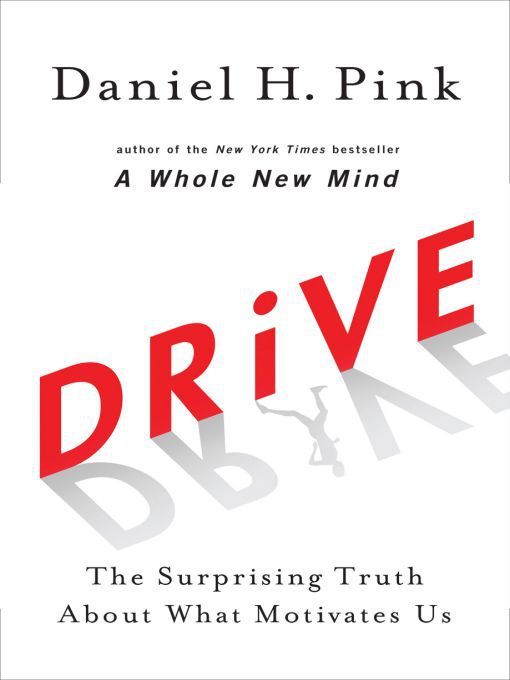
Nova: That pause on 'purpose' is exactly why we’re diving into a fascinating concept today, drawing from the insights of Daniel Pink’s groundbreaking work,, and Simon Sinek’s iconic. What’s truly remarkable is how Sinek, a former advertising executive turned leadership guru, stumbled upon his 'Golden Circle' concept not through academic research, but by observing patterns in great leaders and companies. He then articulated a simple, yet profound, idea that resonated globally and shifted how we think about leadership.
Atlas: Oh, that’s so interesting. So, it wasn't some stuffy academic theory, but something rooted in real-world observation. That makes me wonder, what the real 'why' behind our actions, especially if it’s not always money?
Nova: Exactly! That’s the core of our conversation today – moving beyond the obvious to understand the deeper springs of motivation. Today we'll dive deep into this from two perspectives. First, we'll explore why our traditional understanding of motivation often misses the mark, then we'll discuss the powerful intrinsic drivers that truly fuel engagement and lasting impact.
The Blind Spot: Beyond External Rewards
SECTION
Nova: So, let’s start there, Atlas. You said 'paycheck' and 'deadlines' almost immediately when I mentioned money and effort. Why do you think those are our go-to associations when we think about what drives us?
Atlas: Well, honestly, for a lot of people, that the reality, isn't it? I mean, we work to earn money, to pay bills, to survive. It feels pretty fundamental. And deadlines, they get things done. What else is there?
Nova: That’s understandable, and you’re hitting on what we call "The Blind Spot." We're conditioned to believe that money and traditional external rewards are the primary motivators. Think about it: a company wants to boost sales, so they offer bigger bonuses. A manager wants a project finished faster, so they set a strict deadline with a reward for completion.
Atlas: And that usually works, right? People often respond to those incentives.
Nova: They do, in the short term, and for very specific, often mechanical tasks. But here's where the blind spot really surfaces: when the task requires creativity, problem-solving, or long-term engagement, these external rewards can actually.
Atlas: Wait, are you saying giving people more money can make them motivated? That sounds almost counter-intuitive.
Nova: It absolutely does, doesn't it? Let me give you an example. Imagine a software company that wants its engineers to develop a truly innovative new product. They announce a huge bonus for the team that comes up with the most groundbreaking solution. The here is a well-intentioned attempt to boost performance with external rewards.
Atlas: Okay, so the process would be engineers working harder, longer hours, laser-focused on that bonus.
Nova: Precisely. But the is often surprising. Instead of truly innovative, out-of-the-box thinking, what often happens is that engineers become focused on the reward. They might take fewer risks, stick to tried-and-true methods, or even cut corners to hit the target. The intrinsic joy of solving a complex problem, the desire to create something truly elegant, can get overshadowed by the pursuit of the cash. It becomes less about the craft and more about the coin.
Atlas: Oh, I see. So the carrot becomes a distraction from the actual work, or at least the work. It’s like when I used to get paid for doing chores as a kid. The moment the money stopped, so did my enthusiasm for cleaning my room.
Nova: That’s a perfect analogy! You nailed it. The external reward diminishes the internal drive. For our listeners who are nurturing leaders, trying to build strong connections and guide others, this is a crucial insight. If you're constantly dangling a carrot, you might be accidentally eroding the very passion and loyalty you're trying to cultivate.
The Shift: Intrinsic Drivers of Engagement
SECTION
Nova: So, if the carrot and stick aren't the answer, what? This brings us to the profound shift Daniel Pink and Simon Sinek illuminate. What truly moves us, especially in complex, creative work, are intrinsic motivators: autonomy, mastery, and purpose.
Atlas: Autonomy, mastery, and purpose. That sounds a bit more… soulful, I guess, than just 'money.' But how does a leader actually purpose in a daily team meeting? Like, what does 'autonomy' look like for someone on a tight deadline?
Nova: Excellent questions, and that's where the rubber meets the road. Let's look at a company like Patagonia. Their deep isn't just to sell outdoor gear; it's rooted in environmental activism. They literally state their mission is "to save our home planet." This 'why' isn't just a marketing slogan; it infuses everything they do.
Atlas: So, how does that translate into motivation for an employee? I mean, a graphic designer still has to design ads, right?
Nova: Absolutely. But because the company's 'why' is so clear and compelling, it attracts people who deeply resonate with that purpose. Their employees aren't just designing ads; they're contributing to a larger mission. That provides a sense of. Then, Patagonia also offers incredible. They have a famous "let my people go surfing" policy, encouraging employees to take time off to pursue outdoor activities, knowing that refreshed and inspired minds lead to better work. They trust their employees to manage their time and projects.
Atlas: Wow, that’s quite a leap from strict deadlines! It sounds like they're saying, 'We trust you to get the work done, and we trust you to know how to do it best.'
Nova: Exactly. And finally,. Patagonia fosters a culture of continuous learning and excellence in their craft, whether it's product design, supply chain management, or marketing. Employees are encouraged to develop their skills, to become truly exceptional at what they do, not just for the company's benefit, but for their own intrinsic satisfaction.
Atlas: Oh, I get it now. So, a leader who understands this isn't just saying, "Here's your task, here's your deadline." They're saying, "Here's the impact we're trying to make, here's the freedom to approach it in your best way, and here are the resources to help you become even better at what you do." It’s a complete reframe.
Nova: It is. Think about it: a team struggling with a project. If the leader simply pushes for faster completion with a bonus, they might get a rushed, mediocre outcome. But if they reframe it by saying, "Our 'why' for this project is to create a truly seamless experience for our customers, making their lives easier. You have the autonomy to experiment with different solutions, and I'll support your mastery by connecting you with experts," the engagement and quality of work skyrocket.
Atlas: That makes so much sense, especially for someone who values continuous growth and making an impact, like many of our listeners. It's about shifting from external control to internal ignition. It's about building a connection to something bigger than just the task itself.
Synthesis & Takeaways
SECTION
Nova: And that’s the profound insight these authors give us. It's not just about getting people to do things; it’s about inspiring them to to do things, and to do them with passion and excellence. This shift from external rewards to intrinsic drivers creates a more fulfilling and productive environment for everyone, impacting not just the bottom line, but the human spirit.
Atlas: Oh, I love that. It’s about building a better world of work, not just a more efficient one. And it really makes me think about that deep question you posed earlier: What's one task you do purely for the joy of mastery or purpose, without external reward? I think for me, it’s exploring new ideas, like we do here. There’s a pure joy in the learning.
Nova: Absolutely. And that's the feeling we want to tap into for ourselves and in those we lead. It’s about igniting that internal spark. So, we encourage all our listeners to take a moment and reflect on that question. Identify your own intrinsic motivators and think about how you can lean into them more, both in your personal life and in your leadership.
Atlas: And maybe even more importantly, how can you help others find autonomy, mastery, and purpose? Because that's where true, lasting engagement and impact really come from.
Nova: This is Aibrary. Congratulations on your growth!









