The Specific Shift: Stop Just Talking, Start Leading: How to Build Unshakeable Influence
Golden Hook & Introduction
SECTION
Nova: Atlas, I want to play a quick game. I’ll give you a concept, and I want your five-word review on it. Ready?
Atlas: Oh, I love this! Five words, no more, no less. Lay it on me, Nova. Challenge accepted.
Nova: Alright, here it is: "Unshakeable Influence." Five words. Go.
Atlas: Purpose-driven, visionary, impactful, authentic, resonant.
Nova: Wow, that’s sharp! I like “authentic, resonant.” Mine would be: “Beyond orders, into shared purpose.” Because that, right there, is the core of what we’re talking about today. We’re diving into a powerful concept, distilled in a framework I’ve been calling ‘The Specific Shift: Stop Just Talking, Start Leading: How to Build Unshakeable Influence.’ It’s a direct challenge to the kind of leadership that just… talks.
Atlas: Oh, I know that feeling. It’s like we’re surrounded by leaders who are excellent at communication, but somehow, they just don’t inspire. They’re giving orders, delegating tasks, maybe even sharing information, but that deeper connection, that spark that actually moves people to? It's often missing. It feels like a lot of effort for superficial results.
Nova: Exactly. And that’s the cold, hard fact: true leadership isn't just about giving orders; it's about inspiring action and fostering a shared sense of purpose. Many leaders struggle to move beyond that superficial communication, failing to tap into the deeper motivations of their teams and collaborators. And that, Atlas, limits their influence and their impact.
From Orders to Inspiration: The 'Why' of Unshakeable Influence
SECTION
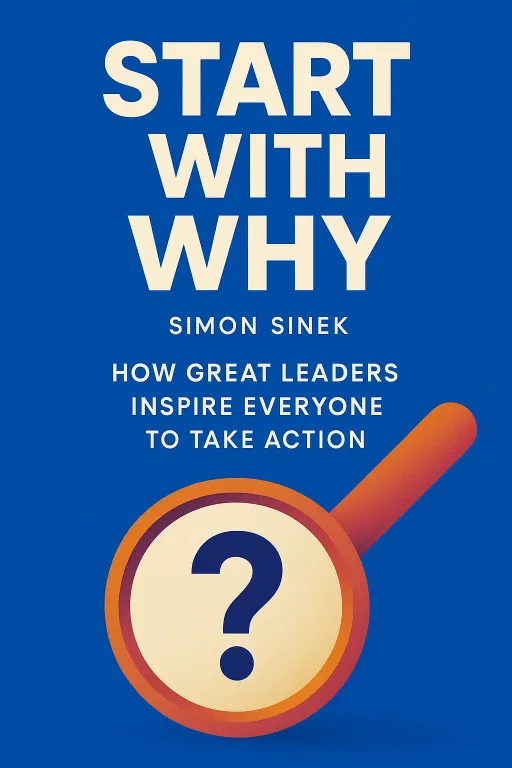
Nova: So, how do we fix that? How do we move from just talking to truly leading? Our first big insight comes from the brilliant Simon Sinek, and his iconic concept: "Start with Why."
Atlas: Ah, Sinek. I’m curious, for someone who thinks strategically and deconstructs success, how does ‘why’ actually translate into inspiring action? It sounds great in theory, but in a high-stakes environment, what’s the mechanism? How does it move beyond a feel-good mantra?
Nova: That’s a fantastic question, and it’s where Sinek’s insight becomes tactical. He argues that great leaders and organizations inspire by communicating from the inside out, starting with their 'why'—their purpose or belief—rather than the 'what' they do. Think about it this way: most companies talk about they sell, then they do it, and maybe they exist. Sinek flips that.
Atlas: Right, like, "We make great computers" versus "Everything we do, we believe in challenging the status quo, in thinking differently. The way we challenge the status quo is by making our products beautifully designed and easy to use. And we happen to make great computers."
Nova: Exactly! That second statement is Apple’s "why." They don't just sell technology; they sell a belief. When you communicate from the "why," you're not just appealing to logic; you're tapping into something far more primal: emotion and belonging. People don’t buy you do; they buy you do it. This isn't just for consumer products either. Imagine a team leader saying, "We're building this new software because it will revolutionize how our customers connect" versus "We’re building this new software because we believe in empowering people through seamless digital experiences, and this software is how we deliver on that belief."
Atlas: Oh, I see. So the first leader is focused on the output, the second is focused on the impact and the underlying mission. That's a great distinction. For our listeners who are driven by making a distinctive mark, that second approach resonates so much more deeply. It’s not just about the task; it’s about the larger contribution. That’s why some brands, or leaders, have an almost cult-like following – it's the 'why' that draws people in, not just the 'what.'
Nova: Precisely. The "why" creates loyalty, not just transactions. When you articulate your purpose clearly, you attract people who share your beliefs. They don't just work for you; they work you, for a shared cause. This inherently fosters a sense of shared purpose, making the leadership unshakeable because it's built on a foundation of mutual belief.
Strategic Clarity: Crafting Vision with the End in Mind
SECTION
Nova: Knowing your 'why' is foundational, but it’s only half the battle. What happens next? How do you translate that profound purpose into a tangible, actionable future? This naturally brings us to another titan of leadership thought: Stephen Covey, and his habit of 'Begin with the End in Mind.'
Atlas: That’s interesting. Is ‘the end in mind’ just another way of saying ‘why,’ or is there a crucial distinction for someone who needs to deconstruct success strategically? Because from a data-driven perspective, ‘why’ can feel abstract, but ‘the end in mind’ implies a concrete destination.
Nova: That’s a fantastic distinction, Atlas. They absolutely complement each other, but they are not the same. Your 'why' is your deeply held belief, your purpose—it's the fuel. 'Beginning with the End in Mind' is about defining your desired outcomes and principles you act. It’s the strategic roadmap, the blueprint you create from that fuel. It's about mental creation before physical creation.
Atlas: So, it's about visualizing the finished product or the desired impact, and then working backward? Like an architect envisioning the completed building before drawing the first floor plan?
Nova: Exactly! Imagine a project manager who starts a new initiative without a clear picture of what success truly looks like, or what principles will guide the team. Chaos, scope creep, and misdirection are almost inevitable. Now, picture a leader who has meticulously defined the desired outcome: not just the deliverable, but the impact, the culture, the feeling of accomplishment at the end. That clarity becomes a guiding star for every decision and every team member. It's the difference between building and building for the right reasons.
Atlas: That makes perfect sense, especially for someone focused on advanced data storytelling. If you’re trying to translate complex insights into influence, how does defining the ‘end in mind’ help structure a compelling narrative that actually moves people to action? Because often, data can be overwhelming.
Nova: Oh, it’s absolutely critical. When you begin with the end in mind for your data story, you're not just presenting numbers; you're crafting a journey towards a specific, desired outcome. You know the single most important insight you want your audience to grasp, the action you want them to take, and the impact you want to achieve. That "end in mind" allows you to filter out irrelevant data, highlight the crucial points, and build a narrative arc that logically and emotionally leads your audience precisely where you want them to go. It transforms a data dump into a strategic imperative. It’s how you articulate unique value.
Atlas: So, it’s about starting with the conclusion you want to land, and then building the case, rather than just presenting all the facts and hoping the audience connects the dots. That’s a powerful approach for anyone looking to make a distinctive mark with their insights. It ensures every piece of information serves a purpose.
Nova: Absolutely. It’s about being deliberate. Your 'why' gives you the purpose, your 'end in mind' gives you the direction and the framework. Together, they create an incredibly potent combination for building unshakeable influence. You're not just leading, you're guiding with conviction and clarity.
Synthesis & Takeaways
SECTION
Nova: So, when we combine Simon Sinek's "Start with Why" with Stephen Covey's "Begin with the End in Mind," we're not just talking about abstract leadership theories. We're talking about a fundamental shift from superficial communication to deeply resonant, purposeful guidance. Your 'why' is the emotional core, the belief that magnetizes people. Your 'end in mind' is the strategic clarity, the vivid picture of the desired future that aligns everyone's efforts. It’s the difference between a leader who merely manages and a leader who inspires an entire movement.
Atlas: That’s actually really inspiring. It means influence isn't about charisma or power; it's about intentionality and clarity. For anyone striving to make a distinctive mark, this framework provides a clear path to articulate their unique value and translate their insights into genuine impact. So, for our listeners who are constantly seeking to make that distinctive mark and lead with purpose, what's a tangible first step they can take today?
Nova: That’s the best part! The specific shift starts small. Here’s your tiny step: write down your personal 'why' in one clear sentence. It might take some soul-searching, but get it down. Then, share that sentence with a trusted colleague, a mentor, or even a friend, and simply observe their reaction.
Atlas: And what are we looking for in that reaction? Are we hoping they instantly get it, or challenge us?
Nova: You're looking for resonance, for understanding, for curiosity. But more importantly, you're observing reaction to articulating it. Does it feel right? Does it feel powerful? This simple act externalizes your purpose and invites feedback, helping you refine and own your unique contribution. It’s the first step to moving from just talking, to truly leading with unshakeable influence.
Atlas: I love that. It’s not just about the outcome; it’s about the process and the self-discovery. A profound way to start building that influence.
Nova: Indeed. The journey of influence begins with clarity.
Nova: This is Aibrary. Congratulations on your growth!