Stop Guessing, Start Building: The Guide to Empowering Your Team Through Clarity.
Golden Hook & Introduction
SECTION
Nova: Why clarity unlocks team power.
Atlas: Purpose-driven action, not just tasks.
Nova: Exactly, Atlas! And that's what we're dissecting today, diving into a book that cuts through the noise and gets straight to the heart of what makes teams truly thrive. We're talking about "Stop Guessing, Start Building: The Guide to Empowering Your Team Through Clarity."
Atlas: Oh, I like that. The title alone feels like a breath of fresh air for anyone navigating the complexities of leading a growing team. I imagine a lot of our listeners, who are visionaries and strategists, are constantly looking for ways to move beyond just managing tasks and really inspire their people.
Nova: Absolutely. This book is a brilliant synthesis of crucial ideas, drawing heavily from foundational thinkers like Marty Cagan and Simon Sinek. It takes those big, impactful concepts from product development and leadership and boils them down into incredibly actionable steps. It’s not just theory; it’s a toolkit for empowerment.
Atlas: That makes me wonder, how does this book help leaders avoid the common trap of having a brilliant vision that just… stays in their head? How do they ensure that their team actually it and feels genuinely connected to it?
The 'Why' as the Ultimate Empowerment Tool
SECTION
Nova: That’s the perfect segue into our first core idea: the 'why' as the ultimate empowerment tool. The book really hammers home a cold, hard fact: your vision is only as powerful as its clarity and how deeply it resonates with your team. Without a clear, compelling 'why,' even the most brilliant product idea can falter.
Atlas: Oh, I know that feeling. It’s like having a stunning blueprint for a building, but the construction crew only sees individual bricks, not the majestic cathedral they’re meant to be building. What exactly do you mean by a 'compelling why'?
Nova: Think of it through Simon Sinek's lens from "Start with Why." He argues that people don't buy you do; they buy you do it. This isn't just about customers; it's profoundly true for your team too. If they don't understand the core purpose, the fundamental reason your product exists, they’re just executing tasks.
Atlas: So you're saying that lacking a clear 'why' isn't just a philosophical problem, it’s a practical one that leads to misalignment and missed opportunities? Like, if a tech product team is just told to build "Feature X," they might build it perfectly, but if they don't know Feature X matters to the end-user or the company's mission, the soul is missing.
Nova: Exactly! I remember a case study about a startup that developed an incredibly innovative AI-powered scheduling tool. The technology itself was groundbreaking. But the team was so focused on the sheer technical challenge of building the AI, they lost sight of the they were solving. The founder had a vague idea of "making people more efficient," but it wasn't a rallying cry. The engineers were brilliant, but they were essentially building a complex machine without a clear destination. When it launched, it felt cold, impersonal, and users didn't connect with it, precisely because the team hadn't connected with its true purpose.
Atlas: Wow. That's kind of heartbreaking. So, how does a leader articulate a 'why' that genuinely inspires, rather than just being a corporate slogan? For our listeners who are defining their vision, what does a truly powerful 'why' look like?
Nova: Let's look at Patagonia. Their 'why' isn't just about selling outdoor gear. It's: "Build the best product, cause no unnecessary harm, use business to inspire and implement solutions to the environmental crisis." That's a living philosophy. When a designer at Patagonia is choosing a fabric, their 'why' guides them to prioritize recycled materials. When a marketing team creates a campaign, they’re thinking about environmental advocacy. Every single person, from the factory floor to the CEO, understands their contribution to that larger purpose. It’s not just a mission statement; it's a constant compass.
Atlas: That’s a perfect example. That 'why' isn't just words on a wall; it actively dictates decisions and empowers individuals to make choices aligned with the company's deepest values. It’s a force multiplier for their efforts.
From Guesswork to Guided Building: The Clarity-Driven Approach
SECTION
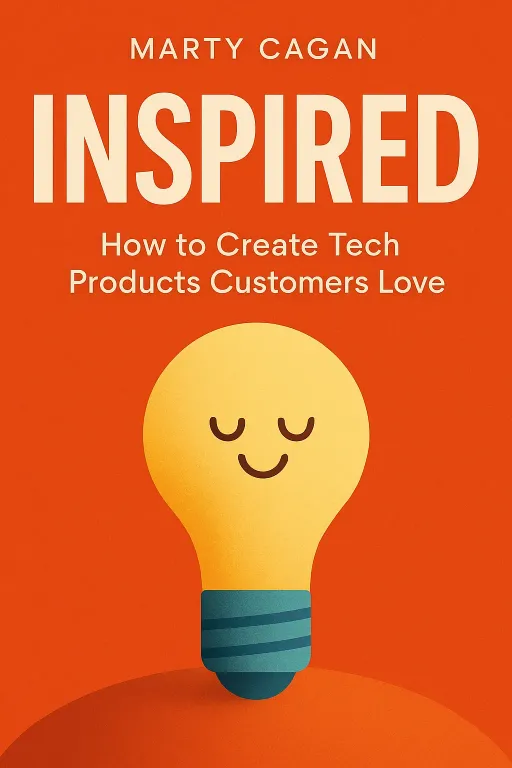
Nova: And that naturally leads us to our second core idea: moving from guesswork to guided building. This is where Marty Cagan's insights from "Inspired" become incredibly relevant. He argues that truly great products come from empowered teams given clear to solve, not just features to build.
Atlas: Okay, so this is about the 'how.' I'm curious, what's the practical difference between a team that's "empowered to solve problems" versus one that's "told what features to build"? For someone in a high-stakes tech environment, how do they spot if they’re falling into that "feature factory" trap?
Nova: It’s a massive difference. Imagine two software teams. Team A is told: "Build a new notification system with these five specific types of alerts." They go away, they build it, they deliver. It might even work perfectly technically. But they haven't asked these notifications are needed, or what problem they're solving for the user. They're just following instructions.
Atlas: And Team B?
Nova: Team B is told: "Our users are struggling to stay informed about critical updates without feeling overwhelmed or constantly interrupted. How might we improve their experience of receiving timely and relevant information?" That team is empowered. They might discover that what's needed isn't just a new notification system, but a smarter dashboard, or a weekly digest, or even a completely different interaction model. They're solving the, not just implementing a prescribed solution.
Atlas: I see. So the first team is a human conveyor belt, pushing out outputs. The second team is a group of strategic thinkers, focused on outcomes. That shift in focus from output to outcome must create a far more strategic and engaged team, and ultimately, a better product. But how does a leader provide that clarity without slipping into micromanagement or just handing off vague problems with no direction?
Nova: That's the art of it. It’s about defining the 'what' and the 'why' with crystal clarity, but leaving the 'how' to the empowered team. The leader clarifies the mission, sets the strategic direction, and ensures the 'why' is understood. Then, they trust their team to figure out the best path to solve the problem. It requires a leader to trust their team's expertise and creativity, to see them as innovators, not just implementers. It also demands that the team themselves are equipped with the context and the skills to make those decisions.
Synthesis & Takeaways
SECTION
Nova: So, when we bring these two ideas together – the compelling 'why' and the shift to empowered, problem-solving teams – we see they're two sides of the same coin. A powerful product vision, the 'why,' provides the north star. And a clarity-driven approach, where teams are empowered to solve real problems, is the 'how' that gets you there. True empowerment doesn't come from being told what to do; it comes from deeply understanding you're doing it, and then being trusted to figure out the to make it happen.
Atlas: That’s actually really inspiring. It feels like this approach doesn't just build better products, it builds better, more engaged teams. It resonates deeply with anyone trying to align a growing team, especially those who are trying to cast a vision that truly sticks. So, for our listeners who are ready to stop guessing and start building with this kind of clarity, what's one tiny step they can take today?
Nova: Here's your tiny step: Draft your product's 'why' statement. Don't overthink it, just get it down. Then, share it with just one team member. Ask them, very genuinely, "Does this 'why' truly inspire you? Does it make you want to jump out of bed and tackle this challenge?"
Atlas: I love that. It’s not just an intellectual exercise; it's a test of emotional resonance. It's a way to immediately gauge if your 'why' has the power to genuinely empower. And that feedback loop is crucial.
Nova: Exactly. It’s about starting the conversation, building that shared understanding, and ultimately, transforming your team from a group of task-doers into a collective of mission-driven builders.
Atlas: Powerful stuff, Nova.
Nova: This is Aibrary. Congratulations on your growth!