

The Talent Paradox: How to Build a High-Performing Culture from Day One.
Golden Hook & Introduction
SECTION
Nova: You know, Atlas, there’s this persistent myth, especially in the world of building groundbreaking ventures, that the nicest leaders, the ones who avoid all conflict, create the best teams. Like a perfectly smooth, conflict-free sailing ship.
Atlas: Oh, I know that feeling. It’s almost a natural instinct, right? To smooth things over, to keep the peace, especially when you're trying to rally people around a grand vision from day one. You want everyone feeling good, pulling in the same direction. What's the problem with that?
Nova: The problem is, that perfectly smooth ship often isn’t going anywhere fast, or it’s heading straight for an iceberg no one dared to mention. Because true kindness, the kind that actually fosters high performance, often looks a lot like uncomfortable honesty. And that, Atlas, is the core paradox we’re unpacking today, straight from a fantastic guide: "The Talent Paradox: How to Build a High-Performing Culture from Day One."
Atlas: That title alone resonates with anyone who’s ever tried to launch something significant. The idea of a "talent paradox" suggests there's more to it than just hiring smart people. So, what’s the big revelation in this book, Nova? What's the central idea that helps us navigate this paradox?
The Art of Radical Candor: Building Trust Through Honest Feedback
SECTION
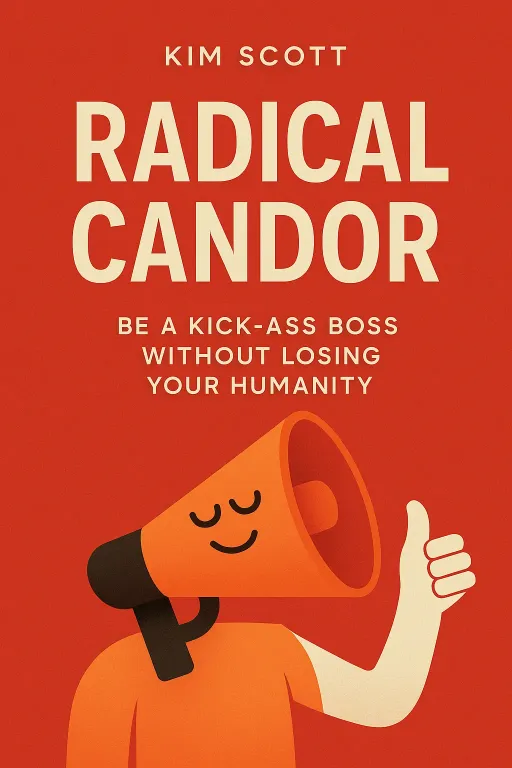
Nova: The book distills this challenge beautifully, drawing on powerful insights from leaders like Kim Scott and Daniel Coyle. The first big piece of the puzzle, and often the most counterintuitive, comes from Kim Scott's concept of “Radical Candor.” It's a framework for giving feedback that is both kind and clear, challenging directly while caring personally.
Atlas: Wait, hold on. “Radical candor” sounds a bit like a fancy way to just be brutally honest, or even mean, to people. For someone who's constantly negotiating, building partnerships, or trying to attract top-tier talent, isn't there a huge risk of alienating people if you're too "radical"?
Nova: That’s exactly the common misconception, and it’s why Scott’s framework is so vital. She outlines a spectrum. On one end, you have "obnoxious aggression"—that's just being a jerk, challenging directly without caring personally. On the other, "ruinous empathy"—that’s caring personally but failing to challenge directly, which is what we often see with the "nice" leader. It feels kind in the moment, but it’s ruinous to an individual’s growth and the team’s performance.
Atlas: So, you're saying that ruinous empathy, the desire to be "nice," is actually doing more harm than good in the long run? That sounds rough, but I can see how that would be a challenge for someone who thrives on building consensus and positive relationships. How does one actually radical candor without crossing into obnoxious aggression?
Nova: It’s about intent and delivery. Scott tells a story about a manager who had an engineer whose work was consistently below par. The manager kept giving vague, positive feedback, avoiding direct criticism because they liked the engineer personally. The engineer thought they were doing great, never improved, and eventually was fired. That was ruinous empathy. The kind, yet direct, approach would have been to sit down, express genuine care for their success, but then clearly articulate the specific areas where their work was falling short and offer concrete paths for improvement. The care comes first, then the challenge. It builds trust because people know you’re invested in their success, not just their comfort.
Atlas: That’s a great way to put it. The intent behind the feedback. I imagine a lot of our listeners, especially those building innovative products, have experienced that moment where they've held back critical feedback, only to see a project or even a career trajectory suffer. So, the “caring personally” part is non-negotiable. It’s not just about the words, it’s about the relationship.
The Culture Code: Crafting Psychological Safety and Shared Purpose
SECTION
Nova: Exactly. And that naturally leads us to the second key idea, which often acts as the fertile ground where radical candor can truly flourish: Daniel Coyle’s work in “The Culture Code.” Coyle explores what makes truly successful groups click, identifying three key skills: building safety, sharing vulnerability, and establishing purpose.
Atlas: Okay, so "psychological safety" is a term I hear often in strategic circles, but what does it really look like on the ground? For a visionary architect, building a market from scratch, how do you proactively engineer safety and vulnerability, especially when the stakes are incredibly high and every decision feels like a make-or-break moment?
Nova: Coyle shows it’s not about being soft or avoiding hard truths. It’s about creating an environment where people feel secure enough to make mistakes, ask questions, and offer half-baked ideas without fear of judgment or reprisal. He gives a fascinating example of the Navy SEALs. You’d think they’d be all about rigid hierarchy and stoicism, right? But their training, especially their debriefs, are designed to foster extreme vulnerability. After a mission, regardless of rank, everyone is expected to voice what went wrong, what they could have done better. This isn't about blaming; it's about learning and collective improvement. That’s building safety through shared vulnerability.
Atlas: Wow. That’s actually really inspiring. So it’s not just about being ‘nice’ to avoid discomfort, but about building a deep, almost instinctual trust that allows for total honesty, even when it’s about personal failings. And the "purpose" part—how does that tie in? We all think we know our purpose when we're building something new, but Coyle's take sounds deeper.
Nova: It is. Coyle talks about purpose not as a mission statement on a wall, but as a deeply felt, shared understanding of the team exists and they’re striving for together. It's the north star that aligns individual efforts, especially when things get tough. Think about a successful startup. It’s not just about the product; it’s about the founders and early team members deeply believing in the impact they’re making, the problem they’re solving. That shared purpose acts as a powerful adhesive, making radical candor possible and psychological safety a natural state, even amidst the chaos of innovation. It provides the motivation to keep challenging for improvement, because everyone is genuinely pulling towards the same, meaningful goal.
Atlas: That makes sense. For anyone building a market or a new product, that deep, almost visceral purpose is the engine. It’s what gets you through the inevitable setbacks and pivots. So, you have candid feedback creating trust, and then that trust, combined with shared purpose, creates this incredible environment where people can truly excel. It's an ecosystem, not just a set of rules.
Synthesis & Takeaways
SECTION
Nova: Exactly. The talent paradox, then, isn't really a paradox at all once you understand these underlying dynamics. It’s the realization that merely having smart people isn’t enough. You need to intentionally cultivate an environment where they can do their work and feel truly valued. Radical candor builds the communication pathways, ensuring feedback is both kind and clear, preventing decay. The culture code—safety, vulnerability, and purpose—provides the foundational psychological safety and shared direction, acting as the very cornerstones.
Atlas: So, for our listeners who are strategic builders, who care deeply about impact and are constantly attracting and retaining exceptional talent, this isn't just fluffy HR talk. This is the strategic blueprint for building a resilient, high-performing culture from day one, not just as an afterthought. It's about ensuring your product vision doesn't falter because your team vision wasn't strong enough.
Nova: Precisely. And the beauty of these insights is that you don’t need to overhaul your entire organization overnight. There’s a tiny step, a tactical insight you can implement right away.
Atlas: I’m curious. What’s one concrete action someone can take this week to start building this kind of culture?
Nova: Identify one area where you can offer more radically candid feedback to a team member this week. Focus on both caring personally – genuinely wanting them to succeed – and challenging directly – clearly articulating the specific area for improvement. Start small, be authentic, and watch the trust grow.
Atlas: That’s a powerful, actionable step. It shifts the focus from avoiding conflict to embracing it constructively, proving that true care often requires courageous honesty.
Nova: Absolutely. It’s about building a foundation where every voice is heard, every mistake is a lesson, and every challenge is an opportunity for collective growth.
Atlas: Incredible insights today, Nova. Thank you for breaking down how to truly build a high-performing culture.
Nova: My pleasure, Atlas. Always a joy to explore these profound ideas with you.
Nova: This is Aibrary. Congratulations on your growth!









