

Scaling Teams with Empathy: The Key to Sustainable Growth.
Golden Hook & Introduction
SECTION
Nova: Atlas, what do you know about 'scaling teams with empathy'? Sounds like a corporate buzzword bingo combination, right?
Atlas: Oh man, it sounds like the corporate equivalent of trying to herd cats while simultaneously giving them individual therapy sessions. A delightful challenge, I'm sure.
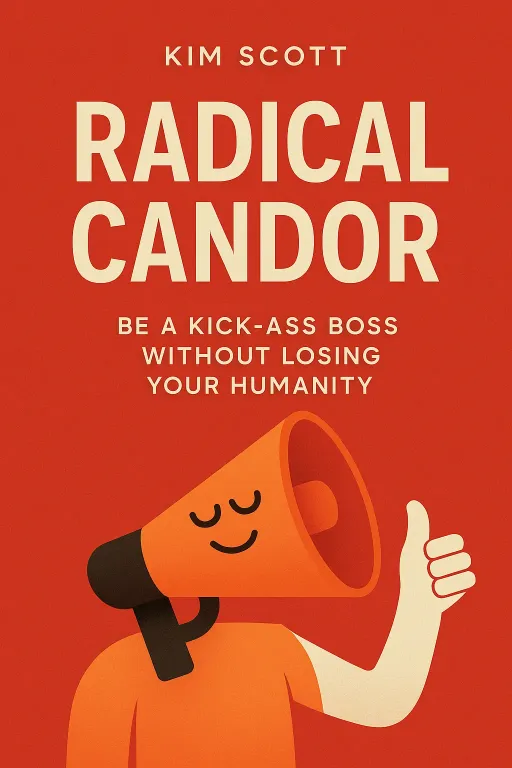
Nova: Precisely! And today we're diving into why that seemingly impossible task is actually the key to sustainable growth, drawing insights from some truly foundational works. We're talking about Kim Scott's groundbreaking book,, a framework born from her high-stakes leadership roles at Google and Apple, and Patrick Lencioni's seminal work,.
Atlas: Okay, so we're talking about how to be both a therapist and a cat wrangler, but with actual frameworks from people who've been there in the trenches of some of the world's biggest companies. I'm definitely in.
Nova: Exactly. Because the cold, hard truth, Atlas, is that scaling isn't just about adding more heads to the headcount. It's about cultivating a thriving culture.
The Cold Fact of Scaling: Beyond Headcount
SECTION
Nova: And this is where so many leaders stumble. They struggle to provide honest, direct feedback without feeling like they're going to demotivate their team. This fear, this hesitation, it stifles growth.
Atlas: Oh, I know that feeling. It's like you're walking on eggshells. You see something that needs to be said, but the thought of the awkward conversation, the potential upset… it just makes you want to retreat. But why is it so hard for leaders to be direct? Is it just a fear of being disliked, or something deeper?
Nova: It’s often much deeper, Atlas. It stems from a genuine desire to protect people, to be 'nice.' But this can be a huge misconception of kindness. Imagine a team member, let's call her Sarah, who's brilliant but consistently misses deadlines on a critical project because she struggles with time management. Her leader, wanting to be kind, offers gentle nudges, vague suggestions, maybe even takes over some of her work.
Atlas: So, the leader is trying to be helpful, but Sarah isn't actually getting the clear message that her performance is impacting the team.
Nova: Exactly. The leader thinks they're being empathetic, but they're actually engaging in what Kim Scott calls 'Ruinous Empathy' – caring personally, but failing to challenge directly. Sarah continues to struggle, the team gets frustrated, and eventually, after months, Sarah might even be let go. The leader's initial 'kindness' led to a far more painful outcome for everyone.
Atlas: Wow, that’s kind of heartbreaking. So, by trying to be 'nice' and avoid discomfort, they actually ended up being crueler in the long run. It's like a slow-motion car crash you can't prevent because you're too worried about scratching the paint.
Nova: That’s a perfect analogy. The outcome is often worse for everyone involved. It starves the team of true growth, and it leaves the individual feeling confused and ultimately, unvalued, because they weren't given the opportunity to improve.
Tactical Empathy: Radical Candor and Psychological Safety
SECTION
Nova: So, how do we break this cycle? This is where our insights from Scott and Lencioni really shine. Kim Scott's framework, 'Radical Candor,' is about precisely this: how to "Care Personally" and "Challenge Directly" at the same time. It's the sweet spot between being an 'Obnoxious Aggressor' who challenges directly but doesn't care, and falling into 'Ruinous Empathy' by caring but not challenging.
Atlas: Okay, so 'Radical Candor' isn't just about being blunt, it's about the right to be blunt because you've shown you genuinely care. Like a tough coach who you know believes in you, even when they're pushing you hardest. But how does this connect with Lencioni's idea of psychological safety? Are they two sides of the same coin?
Nova: Absolutely, Atlas. They're profoundly interconnected. Think of it this way: Radical Candor is you deliver the message – the specific communication style. Psychological safety, which Lencioni highlights as the foundational element of any effective team, is the that allows that message to be received and acted upon without fear of punishment or humiliation.
Atlas: So, without psychological safety, even radically candid feedback might just sound like obnoxious aggression, because the trust isn't there?
Nova: Exactly. Lencioni outlines five dysfunctions, and the first, the foundation, is an "Absence of Trust." When trust is absent, teams fear conflict. They engage in artificial harmony, where everyone is polite, but no one is truly honest. This leads to unspoken resentments, missed opportunities for improvement, and ultimately, a team that can't achieve its full potential. They're not scaling; they're just... existing.
Atlas: That makes me wonder, how do you actually that trust and psychological safety, especially if your team is already stuck in that 'artificial harmony' trap? Is it just a gradual thing, or are there specific steps to initiate it?
Nova: It can feel daunting, but the beauty is in the "Tiny Step" the book suggests. It's incredibly practical. Start small. Identify one team member today. Give them feedback that is both kind and direct. Not a performance review, but a genuine, specific piece of feedback that shows you care about their growth and challenges them to improve. This builds the muscle of candor and begins to chip away at the fear.
Atlas: So, it's not about a grand, dramatic overhaul, but consistent, intentional micro-interactions. It's like building a bridge one brick at a time, but each brick is made of honesty and genuine care. And that, I imagine, is what starts to create that psychological safety.
Nova: Precisely. And it requires vulnerability from the leader to initiate it. By showing you can be both challenging and caring, you model the behavior, and over time, the team begins to understand that conflict, when handled well, is a sign of trust and respect, not a threat.
Synthesis & Takeaways
SECTION
Nova: So, what we're really saying is that scaling with empathy isn't about avoiding hard conversations, but about having them with genuine care, and creating a space where people feel safe enough to hear them. It's a complete paradigm shift for many leaders, moving from a superficial kindness to a deeper, more impactful form of leadership.
Atlas: That’s a great way to put it. It’s about shifting from a mindset of 'protecting feelings' to 'fostering potential.' Because when you genuinely care about someone's growth, you owe them the truth, delivered with respect. And the impact isn't just on performance; it's on creating a workplace where everyone feels seen, valued, and empowered to be their best self.
Nova: Absolutely. It's the key to sustainable growth because it unlocks the human potential within your team. And it goes beyond the workplace too; these are principles that can transform any relationship.
Atlas: That’s actually really inspiring. So, for anyone listening who's navigating that complexity, trying to balance ambition with human connection, whether in leadership or just in their daily interactions, what's the one thing they should take away from this?
Nova: Start small. Pick one person today, and give them feedback that is both kind and direct. Observe the impact. That tiny step can unlock a cascade of sustainable growth, not just for your team, but for yourself. Remember, true leadership is about building futures, not just products.
Atlas: Powerful stuff. That's a challenge I think many of our listeners will embrace.
Nova: Absolutely. And that's our deep dive for today.
Nova: This is Aibrary. Congratulations on your growth!









