

Mastering Emotional Intelligence: The Unseen Advantage
Golden Hook & Introduction
SECTION
Nova: Atlas, what's one skill you think is consistently undervalued but secretly powers the most successful people you know?
Atlas: Oh, I like that. My gut reaction says something like... the ability to make a truly great cup of coffee under pressure. No, wait. Okay, seriously? I'd say it's the invisible art of not just emotions, but actually them, both in yourself and in others. It's like a superpower nobody talks about.
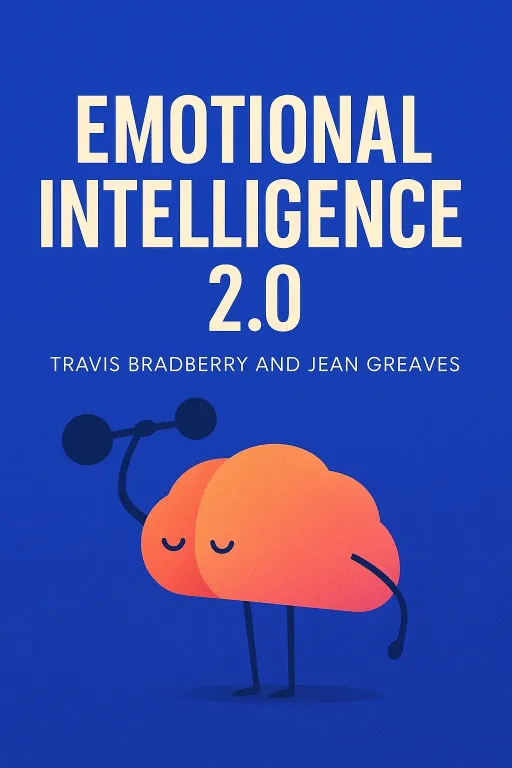
Nova: Exactly! It's not about being the smartest person in the room, or having the most technical skills. It's about that 'superpower' you mentioned, which is why today, we're dissecting a concept that's been gaining serious traction for decades: Emotional Intelligence. We're drawing heavily from two seminal works: "Emotional Intelligence 2.0" by Travis Bradberry and Jean Greaves, and "Primal Leadership" by Daniel Goleman, Richard Boyatzis, and Annie McKee.
Atlas: And when you say 'seminal,' you're not kidding. Goleman, especially, is practically synonymous with the term. He's a science journalist by trade, which gives his work this incredible blend of rigorous research and highly accessible storytelling. He really brought this idea from academic circles into the mainstream consciousness, making it clear this wasn't just pop psychology, but something rooted in neuroscience.
Nova: Absolutely. And what's fascinating is how these books, written by such respected figures, really emphasize that emotional intelligence isn't some innate, fixed trait. It's a skill set, a muscle that can be developed. And that's what we're going to unpack today.
The Four Pillars of Emotional Intelligence
SECTION
Nova: So, let's start with the foundational framework from Bradberry and Greaves. They break Emotional Intelligence, or EQ, into four core pillars: self-awareness, self-management, social awareness, and relationship management. Think of it like a four-story building, where each floor builds on the one below it.
Atlas: That makes sense. But for someone just hearing those terms, they might sound a bit academic. What does 'self-awareness' actually look like in practice? Is it just… knowing you’re happy or sad?
Nova: That’s a fantastic question, because it’s much deeper than that. Self-awareness is truly the bedrock. It's not just knowing you're happy or sad, but understanding you feel that way. What are your triggers? How do your emotions impact your thoughts and actions? It’s the ability to accurately perceive your own emotions in real time, and understand your tendencies across situations.
Atlas: So, it's like having an internal radar for your own emotional state, and knowing what sets it off. I imagine a lot of our listeners, especially those in fast-paced environments, might feel like they're just reacting all day without that kind of pause.
Nova: Precisely. And that leads us directly to self-management. Once you're aware of your emotions, can you actually manage them? This isn't about suppressing feelings, but rather channeling them productively. It's about exercising self-control, being adaptable, and having the drive to achieve your goals even when things get tough. A great example they often cite is someone under immense pressure to deliver a project. A person with high self-management might feel the stress, acknowledge it, but then systematically break down tasks, focus on solutions, and maintain a positive attitude, rather than succumbing to panic or lashing out.
Atlas: Hold on, so it's not about being emotionless, but about being able to steer the emotional ship, so to speak, even in a storm? That sounds incredibly difficult in the moment.
Nova: It is, and it takes practice. Which brings us to the next floor: social awareness. This is where you shift your radar from internal to external. It’s about accurately picking up on the emotions of others, understanding their perspectives, and recognizing the dynamics within groups. Think of a leader walking into a room and immediately sensing the unspoken tension, or the excitement, even before a word is spoken.
Atlas: Wow. So, it's empathy, but also reading the room, reading the body language, the micro-expressions. It’s almost like being a human lie detector, but for emotional states. That’s probably crucial in any negotiation or team setting.
Nova: Absolutely. And finally, relationship management. This is the culmination, where you use your self-awareness, self-management, and social awareness to build strong, effective relationships. It's about influencing others positively, resolving conflict, collaborating effectively, and inspiring change. It’s the conductor orchestrating the emotional symphony of a team or an organization.
Atlas: So basically, if you’re self-aware, you know your own tune. If you’re self-managing, you can play your tune well. If you’re socially aware, you can hear everyone else’s tune. And if you’re good at relationship management, you can get everyone to play in harmony. That’s a great analogy. It really solidifies how these four pieces fit together.
Resonant Leadership: EI in Action
SECTION
Nova: That's a perfect segue, Atlas, because when you talk about playing in harmony, you're essentially describing what Goleman, Boyatzis, and McKee call "Primal Leadership" in their book. They argue that the most effective leaders aren't just strategic geniuses or charismatic speakers; they are emotionally intelligent leaders who create "resonance" within their teams.
Atlas: Resonant leadership. That sounds almost… musical. What does that actually mean? Is it just making people feel good?
Nova: It's much more profound than just making people feel good. Resonance, in this context, means creating a positive emotional tone that spreads throughout an organization. It's about leaders driving performance by inspiring enthusiasm, fostering collaboration, and cultivating a sense of shared purpose. They do this by being attuned to their own emotions and the emotions of those around them, and then using that understanding to guide their actions.
Atlas: So, it's about leading with the heart, not just the head. Give me an example. How does a leader actually that?
Nova: Think of a leader who genuinely listens, who empathizes with their team's struggles, and who can articulate a vision that truly excites people. Goleman and his co-authors talk about a leader who faced a major setback – a product launch failure, for instance. A non-resonant leader might blame the team, get angry, or simply issue directives. A resonant leader, however, would acknowledge the disappointment, express shared frustration, but then swiftly pivot to galvanize the team around learning from the mistake and moving forward with renewed energy. They manage their despair to prevent it from infecting the team, and instead, spark hope and determination.
Atlas: That’s actually really inspiring. It’s not about being soft; it’s about being incredibly strong in managing those difficult emotions, both within themselves and in the group. I imagine a lot of our listeners who are in leadership roles might be thinking, "This sounds great, but how do I actually that resonance?"
Nova: That's the million-dollar question, and it circles back to those four pillars. A resonant leader is hyper-aware of their own emotional state, can manage their reactions under pressure, understands the collective mood of their team, and then uses all that to build trust and motivate. It’s not a switch you flip; it’s a continuous practice.
Atlas: So, it's not just a 'soft skill' to be nice, but a critical driver of actual business outcomes. The books really make the case that companies with emotionally intelligent leaders and cultures perform better, retain talent, and innovate more. It’s not just a feel-good measure; it’s a performance multiplier.
Nova: Exactly. And this is where the 'unseen advantage' comes in. It's not always quantifiable on a balance sheet in the same way a new piece of technology is, but the ripple effect of emotionally intelligent leadership can transform an entire organization. It’s the difference between a team that’s just going through the motions and one that’s truly inspired and deeply committed.
Synthesis & Takeaways
SECTION
Nova: So, what we've really explored today is how emotional intelligence, broken down into its four practical components, translates into a powerful form of leadership that can inspire and drive genuine performance. It's about moving beyond just managing tasks to truly connecting with and motivating people.
Atlas: And it’s not just for people in formal leadership positions, right? Even in our daily interactions, being more self-aware, managing our reactions, understanding others, and building stronger relationships can fundamentally change our personal and professional lives. It makes me think about that tiny step the book suggests: just paying attention to one emotion you feel strongly today.
Nova: That's such a brilliant, actionable takeaway. It’s not about overhauling your entire personality overnight. It's about starting with that one small act of self-observation. Can you identify its trigger? How does it impact your immediate thoughts or actions? That simple act of noticing is the first step on the ladder of emotional intelligence.
Atlas: And that's the beauty of it. It’s not some mystical talent; it’s a skill that anyone can cultivate, starting with that single, conscious moment of reflection. It's truly an unseen advantage waiting to be unlocked.
Nova: Absolutely. And the more we cultivate it, the more effective we become, not just as individuals, but as members of teams, families, and communities. It’s a profound shift in how we navigate the world.
Atlas: That’s actually really inspiring.
Nova: This is Aibrary. Congratulations on your growth!









