Emotional Intelligence: The Key to Leadership
Golden Hook & Introduction
SECTION
Nova: Atlas, rapid-fire word association for you. I'll give you a word, you give me the first thing that pops into your mind. Ready?
Atlas: Oh, I like this. Hit me.
Nova: "Smart."
Atlas: Degrees. Probably a little bit socially awkward.
Nova: Interesting. "Leader."
Atlas: Decisive. Maybe a little intimidating.
Nova: "Success."
Atlas: Metrics. Big numbers, usually a corner office.
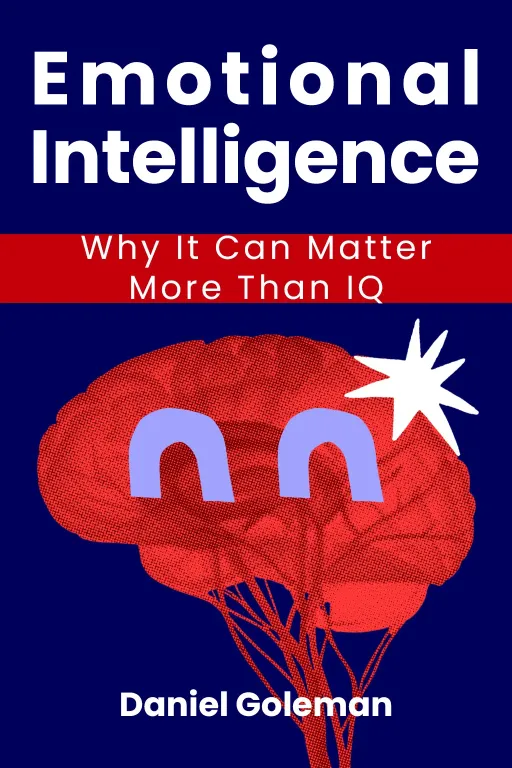
Nova: That’s fascinating, because today we're peeling back the layers on a concept that challenges all those initial associations: emotional intelligence. And we're diving deep into the work of Daniel Goleman, particularly his groundbreaking book, "Emotional Intelligence," and its powerful sequel, "Primal Leadership."
Atlas: Oh, I see. So we're talking about the kind of smart that isn't just about the books, but about the people.
Nova: Exactly! Goleman, originally a science journalist, actually brought this whole concept of EQ from the academic fringes right into mainstream conversation. He made it clear that understanding and managing emotions isn't some soft, touchy-feely thing; it’s a critical, measurable skill, especially for anyone looking to lead or even just thrive in their career. He argued it’s more crucial than IQ for success.
Atlas: That’s going to resonate with anyone who’s ever seen the 'smartest person in the room' completely derail a project because they couldn't read the room. But wait, I mean, "emotional intelligence" still sounds a bit... intangible. How do we actually break this down?
Demystifying Emotional Intelligence: More Than Just 'Being Nice'
SECTION
Nova: That’s a perfect question, because Goleman did exactly that. He didn't just give us a concept; he gave us a framework. He outlined five key components of emotional intelligence. They are: self-awareness, self-regulation, motivation, empathy, and social skills.
Atlas: Okay, so it’s not just one big thing. It’s like a toolkit. Can you give us an example of how self-awareness and self-regulation play out in the real world? Because for a lot of our listeners, the idea of "managing emotions" might sound a bit like just suppressing them.
Nova: That’s a common misconception. Self-awareness isn't about suppressing; it’s about understanding. Imagine a project manager, let's call her Sarah. She gets feedback that her team feels micromanaged. A leader without self-awareness might get defensive, blame the team, or dismiss the feedback.
Atlas: Right, "They just don't understand my vision!"
Nova: Precisely. But Sarah, with strong self-awareness, recognizes her own anxiety about deadlines, her perfectionist tendencies, and how those manifest as micromanagement. She understands her triggers.
Atlas: That makes sense. So, self-regulation would be the next step? Not just knowing she's doing it, but actually changing it?
Nova: Exactly. Self-regulation is the ability to manage those internal states, impulses, and resources. So, instead of reacting defensively, Sarah pauses, takes a deep breath, and chooses to engage constructively. She sets a conscious intention to delegate more, to trust her team, and to check in rather than check up. The outcome? Her team feels empowered, their morale improves, and paradoxically, deadlines are met more smoothly because people are working effectively rather than under duress.
Atlas: That’s actually really inspiring. It’s like the difference between being a passenger in your own emotional vehicle and being the driver. But how does this translate into the bigger picture? You mentioned Goleman argues EQ is more crucial than IQ for success. How do motivation and social skills fit into that?
Nova: Well, motivation, in Goleman's context, isn't just about external rewards. It's about being driven by an inner passion for work itself, for challenges, for innovation. Think of the leaders who push through setbacks not because of a bonus, but because they genuinely believe in the mission.
Atlas: So, an intrinsic drive rather than just chasing the next promotion?
Nova: Exactly. And then social skills, the fifth component, is about adeptness at inducing desirable responses in others. It's the ability to build rapport, to persuade, to negotiate, to lead change. It’s the conductor of the orchestra, making sure everyone plays in harmony. A leader with high social skills can rally a disillusioned team, mediate conflicts, and inspire collective action.
Atlas: I can definitely see how that creates a more effective workplace. A leader who understands their own internal landscape, can manage it, is driven by purpose, and can then connect with and influence others… that’s a powerful combination. It sounds like a journey of continuous personal growth, which is something many of our listeners are constantly seeking.
Empathy in Action: The Leadership Superpower
SECTION
Nova: And that naturally leads us to the second key idea we need to talk about, which often acts as the bridge between personal mastery and collective success: empathy. This is where Goleman, with Richard Boyatzis and Annie McKee, really deepened the conversation in "Primal Leadership," showing how emotionally intelligent leaders use empathy to create these 'resonant environments' that drive performance.
Atlas: Okay, so empathy. I think most people would say they're empathetic. But what does it really look like when it's a "leadership superpower?" Is it just about being nice and understanding? Or is there a strategic element to it?
Nova: It’s far more than just "being nice." Empathy, in a leadership context, is the ability to understand another person's emotional reactions, even if you don't agree with their perspective, and then to use that understanding to guide your own actions. It’s about sensing what people need from you, whether they articulate it or not.
Atlas: Can you give us an example? Because for someone in a high-stakes, analytical role, "sensing what people need" might sound a bit vague.
Nova: Absolutely. Imagine a tech company undergoing a major restructuring. There's anxiety in the air, rumors are flying, and productivity is dipping. A leader without empathy might just push harder, demanding more output, or worse, ignore the emotional climate completely, focusing only on the structural changes.
Atlas: That sounds rough, but also, disturbingly common.
Nova: Right? But an empathetic leader, let’s call her Maria, recognizes the underlying fear and uncertainty. She doesn't just see declining numbers; she the tension. So, instead of just sending out another memo, she holds open forums, not to just deliver information, but to actively listen. She acknowledges the difficulty, validates the fears, and shares what she can, even if it’s just confirming that some things are still uncertain.
Atlas: So, she's not necessarily solving all the problems, but she's addressing the emotional core of the situation.
Nova: Exactly. She's creating a resonant environment. By showing she understands and cares, she builds trust. People feel heard, respected, and less isolated. This doesn't magically make the restructuring easy, but it significantly reduces resistance, fosters psychological safety, and ultimately allows the team to adapt and perform better because their emotional needs are being acknowledged and managed. It’s about creating a space where people feel safe enough to bring their best selves to work, even during difficult times.
Atlas: That's a perfect example. Because I imagine a lot of our listeners, especially those driven by tangible results, might wonder: "How does increased empathy actually change my approach or the outcome?" It sounds like it's about proactively addressing the human element, rather than just reacting to symptoms. But what about the other side? Can you have empathy, where you get bogged down in everyone's feelings and lose objectivity?
Nova: That’s a crucial distinction. It's not about becoming emotionally overwhelmed or losing your objectivity. It’s about – understanding how others feel and think – and – feeling what they feel – but then using to decide how to respond constructively. Maria didn't solve everything for her team, but she understood their state and then strategically decided how to communicate and engage to. It's a balance. It's about channeling that understanding into effective action, not just sharing the burden. It’s a leadership tool for creating environments where people can thrive, not just survive.
Synthesis & Takeaways
SECTION
Nova: So, what we've really explored today is how emotional intelligence, encompassing self-awareness, self-regulation, motivation, social skills, and crucially, empathy, is not a 'nice-to-have' but a fundamental, strategic asset for leadership. It’s the underlying architecture that allows leaders to not just manage tasks, but to inspire, guide, and truly influence others, creating those resonant environments that Goleman and his colleagues describe.
Atlas: Absolutely. It’s about moving beyond the superficial understanding of success and realizing that the most effective leaders aren't just the smartest or the most decisive; they're the ones who master the human element. It’s a continuous journey of self-reflection and growth, and applying these principles can profoundly impact not just your career, but your relationships and your ability to truly inspire.
Nova: It’s about empowering yourself to lead with greater impact and authenticity.
Atlas: And that, I think, is a powerful thought to leave our listeners with today: How might developing your emotional intelligence, particularly your empathy, transform your next challenging interaction?
Nova: This is Aibrary. Congratulations on your growth!