

Beyond the Spreadsheet: How Emotional Intelligence Fuels Strategic Success
Golden Hook & Introduction
SECTION
Nova: What if the very thing we're taught to suppress in the boardroom—emotions—is actually the secret weapon for strategic success?
Atlas: Oh, I like that. It flips everything we think we know about leadership on its head. For so many of us, especially those of us who thrive on data and logic, emotions feel like the messy variable you want to eliminate, not leverage. Are you saying we should all just... start crying in meetings?
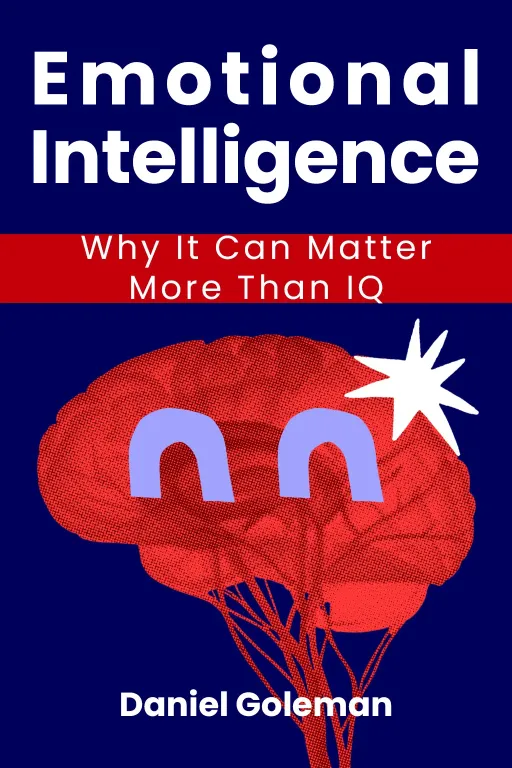
Nova: Not quite, Atlas, though sometimes a good cry can be incredibly cathartic! What we're really diving into today is the groundbreaking work of Daniel Goleman, specifically his seminal book,. Goleman, originally a science journalist, brought this incredible ability to synthesize vast amounts of psychological and neurological research, making these complex insights about our inner world incredibly accessible and actionable. He truly shifted the conversation from purely intellectual prowess to a more holistic understanding of what drives success.
Atlas: Right. Because you get into the room with your IQ, but you stay there, and you succeed, with… something else. I'm curious, for an analytical strategist, what does that 'something else' actually look like?
Beyond IQ: The Power of Emotional Intelligence
SECTION
Nova: Exactly. Goleman's core argument is that Emotional Intelligence, or EQ, often predicts success far more effectively than traditional IQ. He breaks it down into five key components, and think of them like the instruments in a finely tuned orchestra. First, you have —knowing your own emotions, strengths, and weaknesses. Then there's, which is managing those emotions, not suppressing them, but channeling them constructively.
Atlas: Okay, so it’s not just about feelings, but them. For someone in a high-stakes, fast-moving environment, that sounds like a constant battle. How does knowing my feelings actually contribute to the bottom line?
Nova: It's absolutely foundational. Imagine a CEO, usually calm, suddenly feeling intense frustration during a critical negotiation. High self-awareness means they recognize that frustration, and self-regulation allows them to pause, take a breath, and choose a strategic response rather than lashing out. That choice can save a multi-million-dollar deal. Without that emotional regulation, pure logic can be completely derailed by an unchecked emotional impulse.
Atlas: So it's about making better decisions under pressure because you're not hijacked by your own internal state. That makes sense. What are the other components?
Nova: The next is —not external rewards, but an intrinsic drive to achieve, to improve, to pursue goals with energy and persistence. Then,, which is understanding and sharing the feelings of others. And finally,, which is about managing relationships, building networks, and influencing people.
Atlas: That's a great way to put it. For someone who navigates complexity, that's like having a deeper layer of data to work with. But I can hear some of our listeners thinking, "Empathy? Social skills? My quarterly report doesn't have a column for 'feelings'." How does empathy, for example, translate into a tangible benefit for an analytical strategist who thrives on concrete answers?
Nova: It's the ultimate competitive advantage, Atlas. Think of a project manager trying to rally a team facing burnout. A leader with high empathy doesn't just see missed deadlines; they perceive the underlying exhaustion, frustration, or lack of motivation. Instead of just pushing harder, they might adjust workloads, offer support, or re-explain the bigger purpose. That understanding builds trust and re-energizes the team, leading to higher productivity and retention, which absolutely impacts the bottom line. It’s not about being "soft"; it's about being strategically effective with the human element.
Atlas: So it's about understanding the human operating system to get the best performance out of it. I can see how that’s a different kind of data point.
Resonant Leadership: Leading with Heart and Strategic Impact
SECTION
Nova: Exactly. And that naturally leads us to the next layer of this, moving from individual EQ to how it shapes entire teams and organizations. This is where Goleman, along with Richard Boyatzis and Annie McKee, delve into. They introduce the concept of "resonant leaders"—those who create positive emotional tones that inspire high performance.
Atlas: Okay, "primal leadership" sounds intense. Does that mean yelling louder? And "positive emotional tones"—for our listeners leading complex projects, that might sound a bit… fluffy. How does that actually inspire high performance and resilience when deadlines are tight and stakes are high?
Nova: It’s anything but fluffy, Atlas. Resonant leaders don't yell louder; they listen more deeply and articulate a compelling vision that connects with people's emotions. Imagine a company going through a difficult restructuring. A non-resonant leader might just announce the changes, causing anxiety and plummeting morale. A resonant leader, however, uses their empathy to acknowledge the fear and uncertainty, communicates clearly and transparently, and frames the changes as a necessary but ultimately positive evolution. They don't ignore the negative emotions; they address them and then guide the team towards a shared, hopeful future.
Atlas: So it's not about avoiding tough conversations, but how you them. How does a leader build that kind of resilience into a team without it feeling forced or inauthentic? Because I imagine a forced positive tone can backfire spectacularly.
Nova: You're absolutely right. Authenticity is key. Resonant leadership isn't about faking cheerfulness; it's about genuinely tuning into the collective mood and then consciously choosing to uplift and inspire. They foster psychological safety, where people feel comfortable taking risks and admitting mistakes, knowing they'll be supported. This creates a powerful feedback loop: high EQ leaders build trust, trust enables resilience, and resilience allows teams to navigate challenges, adapt, and innovate, even when the stakes are incredibly high. It’s a strategic choice to invest in the emotional well-being of your team, because that directly translates into their capacity to perform.
Atlas: That’s a profound insight. It's about creating an environment where people to achieve, rather than just being told to. And for someone who cares about tangible growth, that sounds like a much more sustainable path to success.
Synthesis & Takeaways
SECTION
Nova: Absolutely. It’s about understanding that our organizations are not just machines; they're living, breathing entities powered by human connection and emotion. Integrating emotional intelligence into your strategy makes your leadership more effective, your teams more resilient, and ultimately, your strategic vision more achievable.
Atlas: For our listeners who are always looking for tangible growth and concrete answers, what’s one practical, almost "tiny step" they can take to start applying this today, especially if they're used to focusing purely on metrics?
Nova: That's a great question, and Goleman himself offers a brilliant tiny step. For your next team meeting, or even your next one-on-one, just observe. Notice not just is said, but the underlying emotions present. Is there excitement about a new idea? Frustration about a bottleneck? Unspoken anxiety about a deadline? Just observe, don't judge. This simple act builds your own self-awareness and empathy without requiring a huge behavioral shift initially.
Atlas: That's brilliant. It's about gathering a different kind of data, emotional data, which is very actionable for someone who navigates complexity and seeks concrete answers. It's almost like a new layer of diagnostics for team health.
Nova: Exactly. It's about integrating the human element into our strategic thinking. Because ultimately, strategies are executed by people, and people are driven by emotions.
Atlas: And that makes leadership more effective, and teams more resilient. What a powerful shift in perspective, moving beyond the spreadsheet to the heart of what drives performance.
Nova: Indeed. It's about understanding the full spectrum of forces at play within any organization.
Atlas: A profound insight that really challenges conventional thinking and offers a clear path to deeper strategic impact. This has been an incredibly insightful discussion. Thank you, Nova.
Nova: My pleasure, Atlas.
Nova: This is Aibrary. Congratulations on your growth!









