The 'Execution' Trap: Why You Need to Think Before You Do.
Golden Hook & Introduction
SECTION
Nova: What if I told you that the harder you work your business, the less successful it might become? That your relentless execution could actually be keeping you stuck?
Atlas: Whoa, hold on. That's a bold claim, Nova. Most of us are taught the opposite – put in the hours, grind it out. Are you saying busy isn't productive?
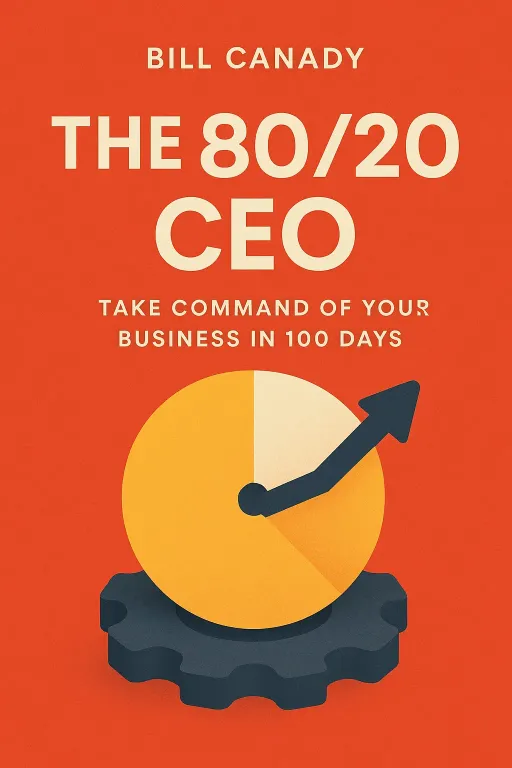
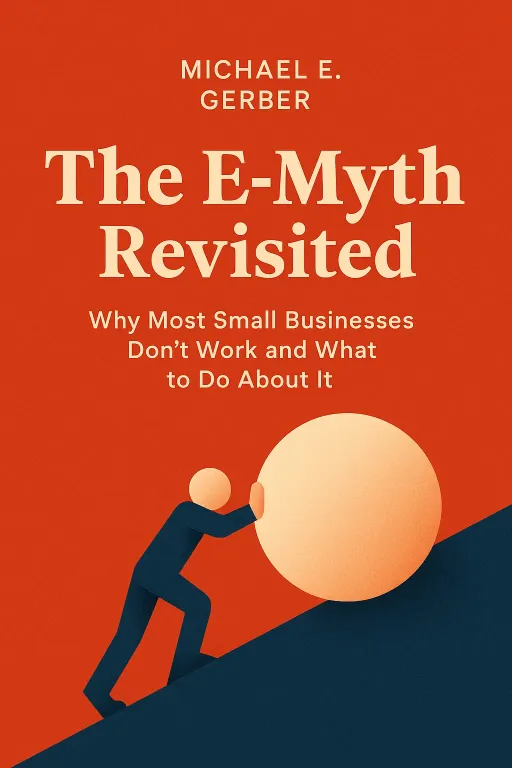
Nova: Exactly, Atlas. And it’s a core insight we’re pulling from two pivotal books today: by Michael E. Gerber and by John Doerr. Gerber, for instance, didn't just write theory; he built his insights from coaching thousands of small business owners, seeing firsthand where they got trapped. Doerr, on the other hand, was instrumental in bringing a rigorous goal-setting system, OKRs, to giants like Google. Both fundamentally solve the same problem: the 'execution trap.'
Atlas: Okay, so we're talking about more than just time management here. It sounds like a deeper systemic issue. What is this 'execution trap,' really?
The 'Doing' Delusion: Why Constant Execution Leads to Burnout and Stagnation
SECTION
Nova: The 'execution trap' is the blind spot many creators, entrepreneurs, and even project managers fall into. You're brilliant at what you do—you love to build, to implement, to create. So you do it. All the time. You become the technician, the one who actually the work. And that's fantastic, initially.
Atlas: Right, like the person who starts a bakery because they love baking. They're amazing at making sourdough, so they open a shop.
Nova: Precisely. That's the classic example Michael Gerber uses. Our baker, let's call him Leo, loves the smell of yeast in the morning, the feel of dough, the golden crust emerging from the oven. He opens his dream bakery. And for a while, it’s exhilarating. He's making incredible bread, his customers rave. The problem is, Leo is also doing the inventory, managing the suppliers, handling the payroll, cleaning the shop, and fixing the broken oven. He’s working 18-hour days, his hands aching, his mind racing.
Atlas: Oh man, I can feel that exhaustion just hearing it. It starts as a passion, then you're just… doing. All the time. But isn't that just the price of entrepreneurship? The grind?
Nova: That's the delusion! The grind is a symptom, not a badge of honor. Leo is so busy the business, doing all the tasks, that he never steps back to work it. He’s the engine, the wheels, and the driver all at once. If Leo gets sick, or wants to take a vacation, the whole bakery grinds to a halt. His passion has become his prison. He's trapped by his own competence and his inability to step away.
Atlas: So, the 'doing' becomes the enemy of growth. I imagine a lot of our listeners, who are builders and implementers, feel that tension. They want to, they want to see results, but they also want to scale, they want to grow. How exactly do you break that cycle when you’re already swamped?
The Strategic Shift: Building Independent Systems and Measuring What Matters
SECTION
Nova: That naturally leads us to the strategic shift. Gerber says you need to build your business you're going to franchise it. Think of it as an architect designs a building, with a detailed blueprint, not just a craftsman building one piece at a time. Then, John Doerr’s OKRs come in to clarify what that blueprint is trying to achieve.
Atlas: Okay, so the 'franchise' mindset is about documenting processes, creating playbooks so anyone can step in and bake the bread, or run the marketing campaign, or code the software. It’s about making yourself replaceable, in a good way.
Nova: Exactly! It's about building a system that allows the business to run independently of you. Let's take another example. Imagine Sarah, who runs a successful performance marketing agency. Initially, she was like Leo: doing all the client calls, running all the ads, managing all the accounts, because she was the best. But she was constantly overwhelmed, hitting a growth plateau.
Atlas: I know that feeling. You want to delegate, but it feels faster to just do it yourself, or you worry it won't be done to your standard.
Nova: That's the trap. Sarah started by implementing systems. She documented her client onboarding process, created templates for campaign reports, and trained a junior team member on how to use her project management tools. She built the 'franchise' blueprint for her agency. But then, she needed to ensure these new systems were driving the results. That's where OKRs came in.
Atlas: How do OKRs fit into that? Is it just another way to track tasks, another to-do list for the team?
Nova: Not at all! OKRs are about clarifying 'what truly matters' and how to measure progress. They force you to define a big, audacious Objective – something qualitative and inspiring – and then measurable Key Results that tell you if you're hitting that Objective. It's not about checking off a to-do list; it's about defining impact. For Sarah's agency, an Objective might be 'Become the undisputed leader in sustainable brand marketing.'
Atlas: That's a big goal. How do you measure that?
Nova: Her Key Results might be: 'Increase client retention for sustainable brands by 25%,' 'Generate 50% of new leads through client referrals,' and 'Achieve a 90% client satisfaction score on all projects.' These aren't just tasks; they're measurable outcomes that tell her if her systems are actually moving the needle towards her strategic objective. It moves her beyond just busywork to truly impactful outcomes that scale.
Atlas: That makes sense. It's shifting focus from 'how many hours did I work?' to 'what did those hours on a strategic level?' For someone focused on tangible results and mastery, that's a game-changer. It's not just about doing; it's about doing the things, and knowing why. It’s about building a machine, not just being a cog.
Synthesis & Takeaways
SECTION
Nova: Exactly. The deep question that brings this all together, and forces that strategic shift, is this: If your business or project had to run perfectly without you for a month, what three systems would you immediately need to build or refine?
Atlas: That’s a powerful gut check. It immediately exposes where you're the bottleneck, where you're still stuck in the 'doing' delusion. For our listeners who are always building, always implementing, that question is pure gold. It's about designing your freedom, not just constantly earning it.
Nova: And it's about true mastery, Atlas. True mastery isn't just about being brilliant at your craft; it's about building a vehicle that amplifies that brilliance, allowing it to scale beyond your direct input. It’s the difference between being a world-class technician and a world-class entrepreneur. It’s the difference between working a business and working a business.
Atlas: So, the challenge isn't to work harder, but to work smarter the system. That's going to resonate with anyone who's felt the burnout of constant execution without a clear strategic map. It's about building an engine that empowers, rather than exhausts, you. It’s about moving from frantic activity to focused impact.
Nova: Precisely. Take some time this week to experiment with that question. Identify one system you could build or refine to start working your business, rather than just it. What would that look like for you?
Atlas: That’s a fantastic call to action, Nova. It’s small, tangible, and immediately applicable. It’s about taking that first step towards designing your future, and ultimately, achieving true mastery.
Nova: This is Aibrary. Congratulations on your growth!