Leading from Within: Cultivating Inner Resilience and Authentic Influence
Golden Hook & Introduction
SECTION
Nova: Atlas, quick fire: what's the most common, yet utterly wrong, advice you hear about leadership?
Atlas: Oh, that's easy. "Just push harder and faster." As if sheer velocity solves everything.
Nova: Exactly! And today, we're flipping that script entirely, because the most impactful leadership isn't about pushing harder externally, but cultivating deeper internally.
Atlas: That’s a bold statement right out of the gate. So, we're talking about more than just strategy sessions and quarterly reports, aren't we?
Nova: Absolutely. We’re diving into the profound idea that true, authentic, and resilient leadership doesn't originate from external power or position, but from a wellspring within. We’re drawing insights from two incredibly powerful books today.
Atlas: Lay them on me.
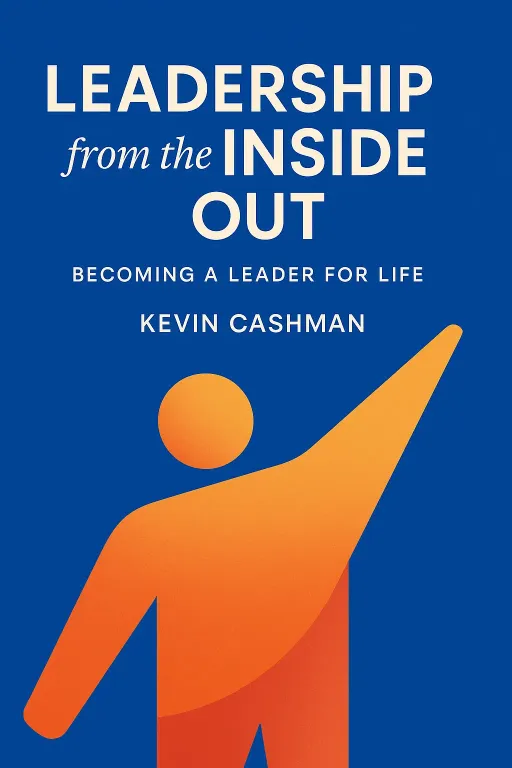
Nova: First, we have "Leadership from the Inside Out" by Kevin Cashman. Cashman, a renowned executive coach and consultant to Fortune 100 leaders for decades, truly pioneered this shift. His work fundamentally changed how many top-tier organizations view leadership development, moving the conversation from purely external competencies to profound internal cultivation.
Atlas: So, he was one of the first to say, "Hey, look in the mirror before you look at the market"?
Nova: Precisely. He argued that self-mastery and authenticity aren't just 'nice-to-haves,' they're the foundational prerequisites for effective leadership. And building on that, we’ll also explore "The Mind of the Leader" by Rasmus Hougaard and Jacqueline Carter.
Atlas: I’ve heard of that one. Aren't they the folks from the Potential Project?
Nova: That’s right. Through their work, they've trained tens of thousands of leaders globally, bringing a scientifically-backed, practical approach to this inner work. They provide the actionable framework for to cultivate that internal landscape Cashman talks about.
Atlas: So, we’re essentially connecting the "why" of internal leadership with the "how"? I like that. For anyone navigating complex challenges or aiming for deeper influence, this sounds like essential reading.
Deep Dive into Core Topic 1: Self-Mastery & Authentic Purpose
SECTION
Nova: Exactly. So, let’s start with Cashman’s core premise: leadership originates from within. He posits that you cannot genuinely lead others until you’ve mastered yourself. It’s an inside-out journey.
Atlas: But what does "self-mastery" even mean for a leader, especially one trying to drive growth or navigate a crisis? It sounds a bit abstract when you’ve got a P&L statement staring you down.
Nova: It’s anything but abstract, Atlas. Cashman introduces what he calls the 'Grow the Whole Person' model. It’s about the interconnectedness of purpose, values, vision, and courage in leadership development. Think of it as your internal operating system.
Atlas: Okay, break that down for me. Purpose, values, vision, courage. How do they weave together?
Nova: Your is your 'why' – your deeply held personal reason for being, for leading. Your are your guiding principles, what you stand for. Your is where you're going, both personally and professionally, aligned with that purpose. And is the fuel, the willingness to act in alignment with all of that, especially when it’s difficult.
Atlas: So, it's about having a clear internal compass that dictates your external direction. But how does finding my "purpose" actually make me a better leader? Isn't it just a bit of navel-gazing when there are real world problems to solve?
Nova: It’s the opposite of navel-gazing; it's the ultimate strategic advantage. When leaders align their actions with a deeply held personal purpose, they foster what Cashman calls 'Purpose-Driven Leadership.' It leads to greater impact and fulfillment, not just for them, but for their teams.
Atlas: Give me an example. A real-world scenario where someone actually found their purpose and it changed their leadership.
Nova: Consider a CEO I once heard about, let's call her Elena. For years, Elena was lauded as a driven, aggressive leader. Her company hit all its targets, but she was perpetually stressed, battling burnout, and her teams felt constantly pushed, not inspired. She was leading from external pressure, not internal conviction.
Atlas: Sounds like a lot of high-stakes environments I know.
Nova: Absolutely. Then, during a particularly brutal quarter, she hit a wall. She started working with a coach who challenged her to look inward, beyond the quarterly reports. She realized her personal purpose wasn't just about maximizing shareholder value, but about 'empowering human potential through technology.'
Atlas: Ah, a shift in perspective.
Nova: A profound one. Once she consciously connected her leadership to purpose, her entire approach transformed. Instead of demanding more hours, she invested in skill development and well-being programs. Her vision for the company became less about market share and more about creating innovative tools that genuinely helped people thrive.
Atlas: So, the was her burnout and dissatisfaction despite external success. The was rediscovering her personal purpose. What was the?
Nova: The outcome was remarkable. Her company saw not just sustained growth, but a dramatic increase in employee engagement and retention. Elena herself became calmer, more resilient, and genuinely inspiring. Her decisions became more coherent, more impactful, because they were rooted in something far deeper than just hitting a number. She wasn't just managing, she was truly leading.
Atlas: Wow. That’s actually really inspiring. It suggests that this internal work isn't just for personal well-being, but directly impacts the bottom line and team culture. It’s not soft; it’s strategic.
Deep Dive into Core Topic 2: Mindfulness, Selflessness, Compassion
SECTION
Nova: Precisely. And once you have that internal compass, Atlas, the deep question becomes: how do you keep it steady amidst the constant storms and pressures of modern leadership? How do you maintain that clarity and purpose when everything around you is chaotic?
Atlas: That’s the million-dollar question. Because even with a strong purpose, the daily grind can erode anyone’s resolve.
Nova: That's where Hougaard and Carter step in with "The Mind of the Leader." They argue that modern leaders need to cultivate three core mental qualities: Mindfulness, Selflessness, and Compassion. These aren't just buzzwords; they are trainable skills.
Atlas: Mindfulness, selflessness, compassion... sounds a bit 'zen retreat' for the boardroom. How do these translate to actual, tangible leadership skills that prevent burnout and drive results?
Nova: They are the ultimate competitive advantage, Atlas. Let's break them down. is about presence—being fully aware of the present moment, your thoughts, feelings, and surroundings, without judgment.
Atlas: So, not getting swept away by the latest fire drill or distraction?
Nova: Exactly. Imagine a leader, let's call him David, facing a high-stakes negotiation. Historically, he’d get easily flustered, letting his anxiety cloud his judgment. He started practicing a simple 3-minute mindfulness exercise before critical meetings. The was his reactive nature. The was this brief, focused mental training. The? He could listen more deeply, respond more thoughtfully, and stay grounded even when the other side was aggressive. He made better decisions, not because he was smarter, but because he was.
Atlas: I can see how that would help strategic thinking and emotional intelligence, two things our listeners often seek. What about selflessness? That one feels particularly counterintuitive in a leadership context often focused on personal achievement.
Nova: It’s not about self-sacrifice to your detriment, but about moving beyond ego. It’s the ability to prioritize the greater good of the team or organization above personal gain or recognition. It fosters a sense of collective purpose.
Atlas: Okay, so less "me first," more "we first." How does that play out?
Nova: Consider Sarah, a project manager. Her team was struggling with a complex, innovative project. Sarah could have pushed her own ideas, taken credit for successes, and blamed failures on others. But instead, she cultivated selflessness. Her was a team struggling with high pressure and complex problems. Her involved actively listening to her team’s concerns, empowering them to find solutions, and stepping back to let their ideas flourish, even when it meant less personal limelight.
Atlas: And the?
Nova: The outcome was a breakthrough. The team, feeling trusted and truly valued, innovated beyond expectations, solving problems Sarah wouldn't have even conceived of on her own. They achieved far more, and Sarah, paradoxically, gained immense respect and loyalty for her selfless approach.
Atlas: That’s a powerful distinction. It’s not about being a doormat; it's about channeling ego into collective success. Now, compassion. How does that fit into leading effectively?
Nova: Compassion is about understanding and connecting with others, recognizing their struggles, and wishing them well. It’s a powerful driver of connection and psychological safety.
Atlas: But is there a line? Can you be too compassionate as a leader? What about tough decisions?
Nova: It’s 'wise leadership,' Atlas, which balances external demands with internal well-being. It’s not about being soft; it’s about being human and effective. Imagine a manager, Mark, whose employee, Lisa, was consistently underperforming. The was Lisa’s declining performance. Mark, instead of immediately moving to disciplinary action, applied compassion. His involved a genuine, empathetic conversation to understand what was happening in Lisa's life, not just her work.
Atlas: And what did he discover?
Nova: He learned Lisa was struggling with a family crisis that was severely impacting her focus. Instead of firing her, Mark worked with her to adjust her workload temporarily and connected her with company resources. The was that Lisa, feeling understood and supported, navigated her personal challenge, returned to full productivity, and became one of Mark's most loyal and high-performing team members.
Atlas: That makes so much sense. It’s about seeing the whole person, not just the performance metric. It’s sustainable and human-centered leadership.
Synthesis & Takeaways
SECTION
Nova: Exactly. So, when we bring Cashman and Hougaard & Carter together, we see a powerful, cohesive message. Cashman gives us the foundational 'why'—that true leadership originates from cultivating your inner purpose, values, vision, and courage. And Hougaard & Carter provide the 'how'—the practical mental qualities of mindfulness, selflessness, and compassion that allow you to embody that authentic purpose, especially under pressure.
Atlas: So, it’s not just about what you lead, but how you lead from your deepest self. It's about transforming your internal landscape to fundamentally change your external impact.
Nova: Precisely. It’s about building an inner resilience that allows you to inspire and lead others with genuine authenticity, even when the world outside is demanding and chaotic. It makes you a more effective, more fulfilled, and ultimately, a wiser leader.
Atlas: For our listeners who are strategic leaders, growth architects, or resilient philosophers, this isn't just soft skills; it's the core operating system for sustained impact. If someone wants to start this journey, what's one immediate, tangible step they could take?
Nova: I would say this: dedicate just five minutes tomorrow morning. Instead of immediately diving into emails or news, simply sit and reflect on one question: "What is my deepest personal purpose, and how does it connect to what I do professionally?" Don't judge the answer, just let it emerge.
Atlas: Five minutes. That’s doable. And that simple act of intentional self-reflection can begin to shift everything. It’s not about finding a new path, but about trusting your inner compass to guide you on the one you’re already on.
Nova: Absolutely. That focused exploration, that moment of connection to your inner world, is where true, transformative leadership begins.
Atlas: That’s a powerful call to action. Thank you, Nova, for illuminating these profound ideas.
Nova: My pleasure, Atlas. Always a joy to explore these deep waters with you.
Nova: This is Aibrary. Congratulations on your growth!