Unlocking Influence: The Art of Executive Presence Without the Pretense.
Golden Hook & Introduction
SECTION
Nova: You know, Atlas, I think one of the biggest traps leaders fall into is believing that executive presence is about putting on a show, mimicking some predefined ideal of what a powerful person should look like.
Atlas: Oh, I know that feeling. It's like there's this invisible checklist in the air: certain suits, certain jargon, a particular way of standing. For our listeners who are leading leaders and driving growth, there’s immense pressure to project that 'perfect' image.
Nova: Exactly! And here's the thing: trying to fit that mold can actually hinder your influence. It can make your strategic vision land flat, because it lacks the one thing that truly resonates: authenticity.
Atlas: That’s a great way to put it. We're talking about influence that feels... real.
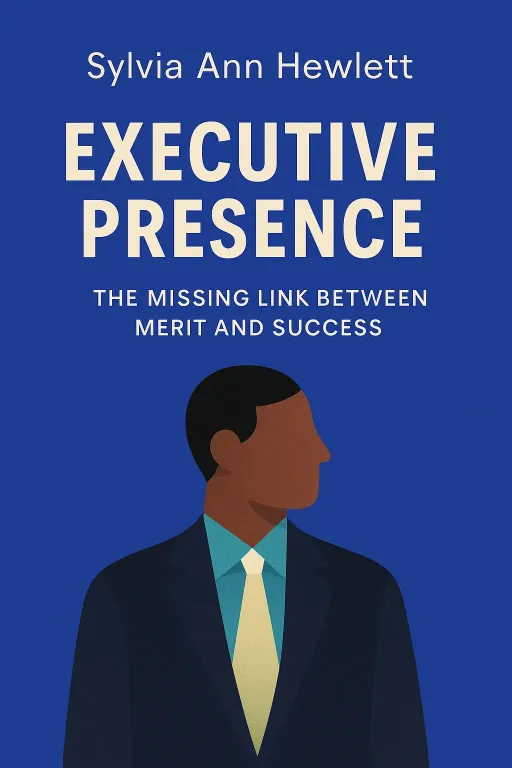
Nova: Absolutely. Today, we're diving into "Unlocking Influence: The Art of Executive Presence Without the Pretense." We're drawing heavily from two incredible works: "Executive Presence" by the brilliant Sylvia Ann Hewlett, and Amy Cuddy's transformative book, "Presence."
Atlas: Hewlett, an economist and social scientist, brought such a data-driven approach to what many consider a 'soft skill,' which is fascinating. And Cuddy’s work on power poses, after her viral TED Talk, completely changed how we think about body language. Together, they offer a powerful, complementary perspective on how we show up.
Nova: They really do. And it's for anyone who's ever felt like they needed to be someone else to be taken seriously.
The Myth of Executive Presence: Beyond the Mold
SECTION
Nova: Let's start with what executive presence. It’s not about conforming to a stereotype. Far too often, we see leaders who are incredibly intelligent, capable, strategic architects in their field, but they struggle to convey their vision with the impact it deserves.
Atlas: I can definitely relate to that. I imagine a lot of our listeners, especially those in high-stakes environments, have seen brilliant minds get overlooked because they don't 'look the part.' Or conversely, someone who's all polish, no substance, rising through the ranks.
Nova: It’s a very real phenomenon. Consider a hypothetical leader, let's call her Dr. Anya Sharma. Dr. Sharma is a visionary, she’s developed a groundbreaking AI innovation for federal clients that could revolutionize an entire sector. Her ideas are meticulously researched, her data is impeccable. But in presentations, she’s soft-spoken, tends to look at her notes, and rarely makes direct eye contact.
Atlas: My heart goes out to Dr. Sharma already. You can just picture the audience starting to check their phones, even if the content is gold.
Nova: Precisely. Now, contrast her with Mr. David Chen. Mr. Chen is charismatic, makes grand gestures, speaks in booming tones, and always looks perfectly composed. But his strategic plans often lack depth, and his team knows he frequently takes credit for others' work. Yet, he often commands the room.
Atlas: That sounds rough, but it's a dynamic many people will recognize. So, if Dr. Sharma has the substance, but Mr. Chen has the perceived presence, how do you bridge that gap without Dr. Sharma having to become someone she’s not? She cares about lasting success, not just superficial appearances.
Nova: That’s the core question, Atlas. The problem is, Mr. Chen’s "presence" is a performance. Dr. Sharma’s lack of perceived presence isn't about her intellect or her strategic vision, but how she projects it. True executive presence is about radiating authentic confidence and clarity, allowing your inner conviction to shine through. It's about aligning who you are inside with how you present yourself outside.
Atlas: Okay, so it’s not about ditching professionalism or adopting a fake persona. It’s about rethinking what professionalism truly means, especially for someone who needs to lead leaders and elevate talent. It sounds like it’s about making sure your message, your message, gets heard and lands with the impact it deserves.
Nova: Exactly. It's about impact. And that naturally leads us to the concrete components that make up this authentic influence.
The Three Pillars of Authentic Executive Presence
SECTION
Nova: Sylvia Ann Hewlett, in "Executive Presence," breaks it down into three interconnected pillars: Gravitas, Communication, and Appearance. Think of them as the foundational elements you can intentionally cultivate.
Atlas: Gravitas sounds like something you’re born with, like the weight of the world on your shoulders. How does a talent cultivator actually that in their team members, or even in themselves?
Nova: That’s a brilliant question, because it’s a common misconception. Gravitas isn't innate; it's cultivated. It’s about quiet confidence, decisiveness, integrity, and the ability to inspire trust. Imagine a leader who, during a high-stakes meeting where a critical project is failing, doesn't panic. Instead, they calmly assess the situation, ask incisive questions, make a clear decision, and take responsibility.
Atlas: That makes me wonder, someone who is a resilient innovator, constantly navigating complex challenges – they need that inner calm to project outward. It's about being the steady hand.
Nova: Precisely. It’s also about intellectual horsepower, emotional intelligence, and reputation. It’s how you handle pressure, how you articulate your vision, and how you embody your values.
Atlas: Okay, so it’s not just about looking serious, it’s about serious about your capabilities and your ethics. What about communication? In a world drowning in data and digital noise, what's one key differentiator that truly amplifies presence?
Nova: With communication, it's about clarity, conciseness, and compelling storytelling. It’s not just about you say, but you say it, and how effectively you connect with your audience. For a strategic architect presenting a complex AI innovation, it's not enough to just dump data. It's about weaving that data into a narrative that explains this innovation matters, it will help, and the future looks like with it.
Atlas: That’s a perfect example. It's about making the abstract tangible, making the data sing. You see the bigger picture, you lead leaders, and you drive growth through that narrative.
Nova: And finally, appearance. This is where people often get it wrong, thinking it means conformity. Hewlett stresses it's about looking polished and put-together, but tailored to the context, not a uniform. It's about intentionality.
Atlas: So it's less about a specific suit and more about signaling respect for the occasion and your role, without losing your personal style. For someone who’s an innovator, you don’t want to look like you’re stifling creativity, but you still need to command respect.
Nova: Exactly. It's about projecting confidence and competence. It’s about ensuring your appearance supports your message, rather than distracting from it. If you’re dressed inappropriately for a high-level meeting, it can inadvertently undermine your authority, regardless of your brilliance. It’s a subtle cue, but it's powerful. These three pillars, when developed authentically, create a powerful, resonant leadership style that helps you lead leaders effectively.
The Power Pose and Inner Conviction: Bridging the Internal and External
SECTION
Nova: Now, how do we bridge the internal conviction with this outward expression? This is where Amy Cuddy’s work on "Presence" comes in, and specifically, the concept of the "power pose."
Atlas: That sounds almost too simple. Are you saying two minutes in a superhero pose can actually change how I feel and perform in a high-pressure meeting? For someone driving growth and leading federal clients, that seems... like a tiny step for a huge impact.
Nova: It sounds deceptively simple, but Cuddy's research shows that engaging in "high-power poses"—like standing tall with hands on hips, or leaning back with feet on a desk—for just two minutes, can actually change your body chemistry. It increases testosterone, the dominance hormone, and decreases cortisol, the stress hormone.
Atlas: Wow, so it’s not just about looking confident; it’s about more confident from the inside out, by literally shifting your physiology. That’s actually really inspiring for resilient innovators who need to sustain their energy and thrive under pressure.
Nova: That’s the magic! It’s a feedback loop. Your body language shapes not only how others see you, but how you see yourself. When you adopt these expansive poses, you start to embody the confidence and power associated with them. It’s a tiny, tactical insight that yields significant internal shifts.
Atlas: So it’s about hacking your own physiology to reinforce that authentic confidence, making it easier for your inner conviction to shine through. That's a practical tool for anyone who wants to enhance their influence.
Nova: And this is where Nova's take comes in: developing executive presence is about aligning your inner conviction with your outward expression. The power pose isn't about faking it 'til you make it; it's about using your body to your authentic inner strength. If you believe in your strategic vision, if you have the gravitas and clarity, the power pose helps you physically manifest that belief so it resonates more powerfully with others.
Synthesis & Takeaways
SECTION
Nova: So, bringing it all together, executive presence isn't an act. It's a dynamic alignment of internal conviction—your gravitas, your clarity of thought—with your external expression—your communication, your confident posture, your intentional appearance. It's about radiating who you truly are, not performing a role.
Atlas: I guess that makes sense. It’s not about becoming someone else, but becoming more of your most influential self. For leaders elevating talent and driving growth, this isn't just about personal branding; it's about effective strategic execution and ensuring your impact is felt.
Nova: Absolutely. Your strategic vision might not land with the impact it deserves if you're not projecting authentic confidence. It’s about truly leading leaders effectively.
Atlas: And the tiny step you mentioned earlier, the power pose, seems so accessible. It's something anyone can integrate before a critical meeting.
Nova: Exactly. Before your next important meeting, spend two minutes practicing a power pose. Stand tall, hands on hips, or lean back confidently. Notice how this simple act shifts your mindset and posture.
Atlas: And notice not just how you, but how that shift in mindset impacts your interactions and the resonance of your message. What kind of leader do you become when your inner conviction truly shines through?
Nova: That’s the journey. It's a continuous process of growth and self-discovery, leading to lasting impact.
Atlas: This is Aibrary. Congratulations on your growth!