Beyond Logic: The Hidden Power of Emotional Intelligence in Leadership.
Golden Hook & Introduction
SECTION
Nova: Atlas, if I told you that the most brilliant military strategy, the most innovative tech rollout, or the most meticulously planned organizational change could still fail spectacularly, not because of flawed logic, but because of… feelings. What would you say?
Atlas: Oh, I know that feeling. I’d say, "Come on, Nova, we’re strategists, innovators! We deal with data, logic, tangible outcomes. Feelings are for… well, they’re important, but they don’t win wars or launch satellites, do they?" It sounds a bit out there.
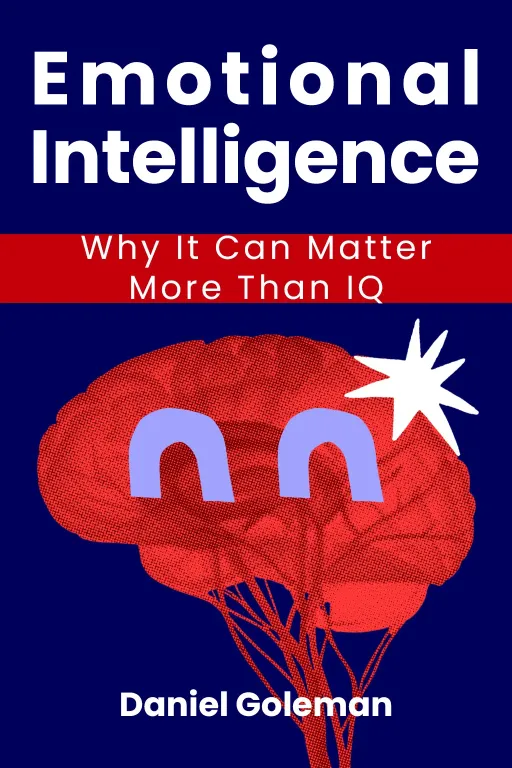
Nova: Really? Well, what if I told you that those 'feelings' are actually the hidden architecture of true leadership, the silent force that either propels your brilliant plans to success or quietly undermines them? That’s exactly the profound insight we're wrestling with today, inspired by two titans of thought. We’re diving into Daniel Goleman’s groundbreaking work, "Emotional Intelligence," and Brené Brown’s powerful call to action, "Dare to Lead."
Atlas: Okay, so you’re saying we're moving beyond the spreadsheets and into the… soul-sheets? I’m here for it, but you’d better make a compelling case. For anyone who, like me, is constantly pushing for impact and efficiency, this might feel like a detour.
Nova: Absolutely. Goleman, originally a science journalist, exploded onto the scene in the mid-90s, taking complex psychological research and making the concept of EQ not just accessible, but indispensable. He basically said, 'Hey, IQ is great, but it's not the whole story.' And then you have Brené Brown, a research professor who fearlessly dove into the messy, often uncomfortable world of shame and vulnerability, transforming how we think about courage and leadership. She brought academic rigor to what many dismissed as 'soft skills.'
Atlas: That’s a great way to put it. So, how do these seemingly disparate ideas connect to something as critical as leadership effectiveness?
Nova: They connect directly to what many strategists often overlook: the human element. The core of our podcast today is really an exploration of how moving 'Beyond Logic' and embracing emotional intelligence transforms leadership from a purely analytical exercise into a deeply human endeavor, building stronger teams and fostering greater trust. Today we'll dive deep into this from two crucial perspectives. First, we'll explore Goleman's foundational pillars of emotional intelligence, then we'll discuss how Brené Brown translates these into actionable leadership through vulnerability and courage.
Unmasking the 'Logic Trap': The Five Pillars of Emotional Intelligence
SECTION
Nova: Let’s start with Goleman. He argues that EQ, or Emotional Quotient, is often more important than IQ for success. He breaks it down into five key components that are absolutely vital for leadership, yet so often overlooked.
Atlas: Okay, so what are these magical five components? And how do they actually make a leader more effective than, say, just being brilliant at strategic planning?
Nova: Excellent question. The first is. This is about understanding your own emotions, strengths, weaknesses, values, and goals, and recognizing their impact on others. Imagine a brilliant leader, let's call him Commander Thorne. He’s a tactical genius, always has the perfect battle plan. But he has a blind spot: when under pressure, he gets visibly agitated, his voice sharpens, and he snaps at his team.
Atlas: Oh man, I know that feeling. That happens to a lot of people under pressure.
Nova: Exactly. Thorne thinks he’s just being decisive, but his team sees him as unpredictable and harsh. They start withholding bad news, fearing his reaction. His lack of self-awareness creates a climate of fear, even with his perfect plans. Now, contrast that with a leader who understands their stress triggers, communicates them, and actively manages their emotional state. Their team feels safe, trusted, and performs better.
Atlas: So basically you’re saying, knowing yourself isn't just for therapy, it's for tactical advantage? That makes sense. What’s next?
Nova: Next is. This is the ability to manage your own internal states, impulses, and resources. It's about thinking before acting, maintaining composure, and staying flexible. Think of a project manager facing a sudden, catastrophic system failure. An unregulated leader might panic, lash out, or freeze.
Atlas: Right, like when a critical system goes down and everyone's looking for someone to blame, or just for someone to tell them what to do.
Nova: Precisely. A self-regulated leader, however, takes a breath, assesses the situation calmly, and communicates clearly. They don't let their fear or frustration dictate their response. This isn't about suppressing emotions; it's about choosing how and when to express them constructively. That ability to keep a cool head directly impacts their team's ability to problem-solve effectively under duress.
Atlas: That’s actually really inspiring. It’s like, the leader sets the emotional tone for the whole operation. What's the third pillar?
Nova: . Not external motivators like bonuses or promotions, but intrinsic motivation: a passion to work for reasons that go beyond money or status, a propensity to pursue goals with energy and persistence. This is the leader who genuinely loves solving problems, who is driven by the mission, not just the accolades.
Atlas: So, it's not just about pushing others, but about having that fire in your own belly, that infectious enthusiasm?
Nova: Exactly. This kind of leader inspires loyalty and commitment because their passion is palpable. They don't just assign tasks; they instill a sense of purpose. Then we have, which is the ability to understand and share the feelings of another. This is where many purely logical strategists can falter. They might have the optimal plan on paper, but if they don't understand the emotional landscape of their team or their stakeholders, that plan can hit a wall.
Atlas: Hold on. Empathy? In a high-stakes environment where tough decisions have to be made? Isn’t there a risk of becoming too soft, too indecisive?
Nova: That’s a common misconception, but empathy isn't about being "soft." It's about being informed. An empathetic leader understands the concerns, anxieties, and aspirations of their team. Imagine a leader rolling out a new, disruptive technology. A purely logical approach might just focus on the technical specs and deployment schedule. An empathetic leader, however, anticipates the team's fear of job displacement, the frustration with learning new systems, and proactively addresses those emotional concerns.
Atlas: Ah, I see. So it’s about understanding the human impact of your decisions, not letting those emotions derail the decision itself. It's about predicting how people will react.
Nova: Exactly! It allows for smoother transitions, higher adoption rates, and less resistance. And finally,. This is the ability to manage relationships, build networks, and find common ground. This encompasses communication, conflict resolution, and fostering collaboration.
Atlas: So, basically, being good with people. That seems obvious, but I can think of plenty of brilliant individuals who struggle with that.
Nova: Absolutely. A leader with strong social skills can navigate complex political landscapes, mediate disputes, and build powerful alliances. Think of a leader who needs to unite disparate departments behind a single, challenging objective. Without strong social skills, that initiative is dead on arrival, no matter how strategically sound it is. These five pillars, when combined, create a leader who is not just smart, but wise, capable of leading people, not just processes.
Leading with Heart: Vulnerability, Courage, and Trust in High-Stakes Environments
SECTION
Nova: Once you understand emotional intelligence is, the next question is do you actually with it? This is where Brené Brown steps in, connecting Goleman’s social skills and empathy to her revolutionary concept of vulnerability.
Atlas: Vulnerability as a leadership strength? That sounds like a contradiction, especially when you’re talking about military effectiveness or cutting-edge innovation. Isn't showing vulnerability just opening yourself up to be taken advantage of, especially when the stakes are high, when you need to project strength and certainty?
Nova: That’s the classic strategic mindset, Atlas, and it’s a powerful one. But Brown’s research, which is extensive and deeply human, shows that vulnerability isn't about weakness; it’s about courage. It’s the courage to show up, to be seen, to ask for help, to admit you don't have all the answers. It's the willingness to be authentic and real, even when it feels uncomfortable.
Atlas: Okay, so what does that look like in practice for a leader? Give me an example where a leader being 'vulnerable' actually made things stronger, not weaker.
Nova: Consider a leader during a major organizational restructuring – a chaotic, uncertain time. A traditional, "strong" leader might try to project absolute control, saying, "I have everything handled, trust me." But their team senses the underlying uncertainty, and a disconnect forms. Brown would argue that a leader who dares to lead might say something like, "Look, this is incredibly challenging, and I don't have all the answers. But I'm committed to figuring this out with you, and I need your input and your best thinking."
Atlas: That’s a very different approach. I can see how that might build trust, but it still feels risky. What if the team sees that as a lack of confidence?
Nova: That's where the courage comes in. Brown emphasizes that true vulnerability requires boundaries. It’s not oversharing; it's about being authentic and allowing yourself to be seen, which then invites others to do the same. This creates a psychological safety net where people feel safe to contribute ideas, admit mistakes, and take risks – all vital for innovation and resilience. Imagine a military unit facing a complex, unprecedented threat. A commander who admits, "This is new territory for all of us, and I need every single one of your insights to navigate it," isn't showing weakness. They're demonstrating courage, trust in their team, and a commitment to collective intelligence.
Atlas: Wow. That gives me chills. So, it’s about removing the barrier of perfection and saying, "We're in this together, and we're stronger when we're honest about our challenges." That’s a perfect example of how that might apply in a high-stakes scenario.
Nova: Exactly. Brown highlights that vulnerability is the birthplace of innovation, creativity, and trust. Leaders who practice it foster environments where people feel safe to contribute fully, which is vital for innovation and resilience under pressure. When a leader is vulnerable, they model a culture where asking for help is a strength, not a weakness. This allows teams to adapt faster and overcome challenges more effectively, because everyone is bringing their whole self to the problem.
Atlas: I can see how that would change the dynamic. It transforms leadership from a top-down directive into a shared journey, especially in environments where adaptability is key.
Synthesis & Takeaways
SECTION
Nova: So, bringing Goleman and Brown together, we see that emotional intelligence isn't just about being "nice"; it's about being effective. It's the strategic advantage that allows leaders to build resilient teams, foster innovation, and navigate complex human dynamics that pure logic alone can't touch.
Atlas: It’s a profound shift in perspective. It means that the most brilliant strategy can only be as strong as the human connections and trust that underpin it. That’s a powerful insight, particularly for those of us who are driven by making a profound difference. It means embracing the flow of human dynamics, allowing for nuance beyond pure strategy.
Nova: Absolutely. True leadership transcends technical brilliance; it's about connecting, inspiring, and building a foundation of trust that withstands any challenge. It’s about recognizing that the "soft skills" are actually the hard skills of human connection.
Atlas: So, what’s one tangible step someone can take to start cultivating this kind of leadership? For someone who's used to dissecting data, where do they even begin with emotions?
Nova: A great starting point, Atlas, is to practice active listening in complex group settings. Observe without immediate judgment. Instead of immediately formulating your response or analysis, truly listen to the emotional undertones, the unspoken concerns, and the motivations behind what people are saying. It’s a small step, but it’s a powerful way to begin building your self-awareness and empathy muscles.
Atlas: That's a practical, actionable strategy I can get behind. It's about gathering a different kind of data.
Nova: Precisely. Because when you understand the emotional landscape, your strategic decisions become not just logical, but profoundly impactful.
Nova: This is Aibrary. Congratulations on your growth!