

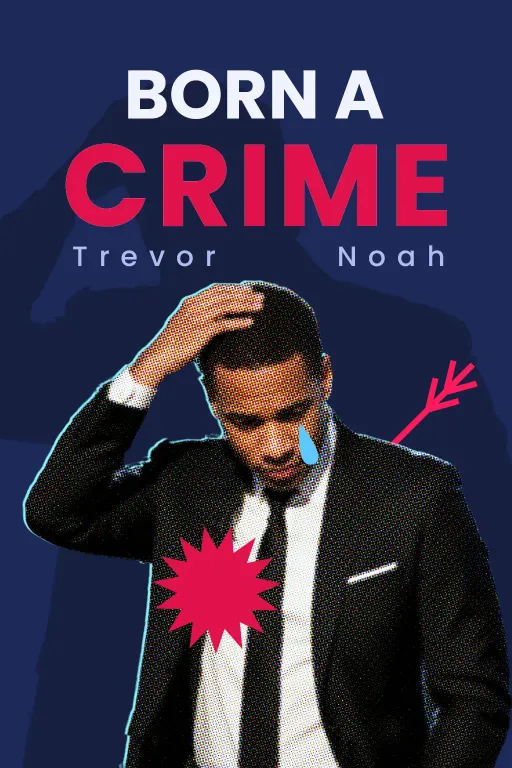
Born a Crime
Trevor Noah
Trevor Noah, the comedian, tells the story of his childhood growing up in South Africa during apartheid as a mixed-race child, which was literally a crime. His remarkable mother defied the system to give him a chance, and this is their story of survival and resilience.
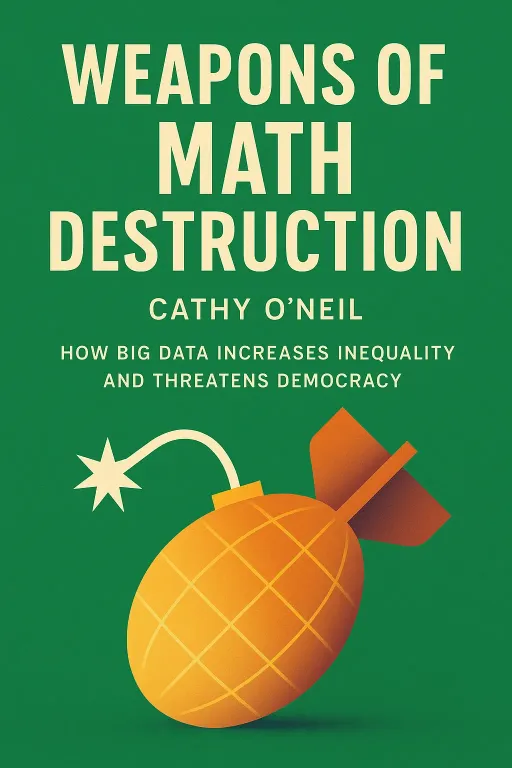
Weapons of Math Destruction
Cathy O’Neil
Cathy O'Neil's 'Weapons of Math Destruction' uncovers the hidden biases and destructive power of algorithms and big data models that increasingly govern our lives. Through compelling real-world examples from justice, finance, and education, O'Neil reveals how these opaque systems perpetuate inequality, reinforce prejudice, and threaten the very fabric of democracy, urging readers to scrutinize the technology shaping our future.
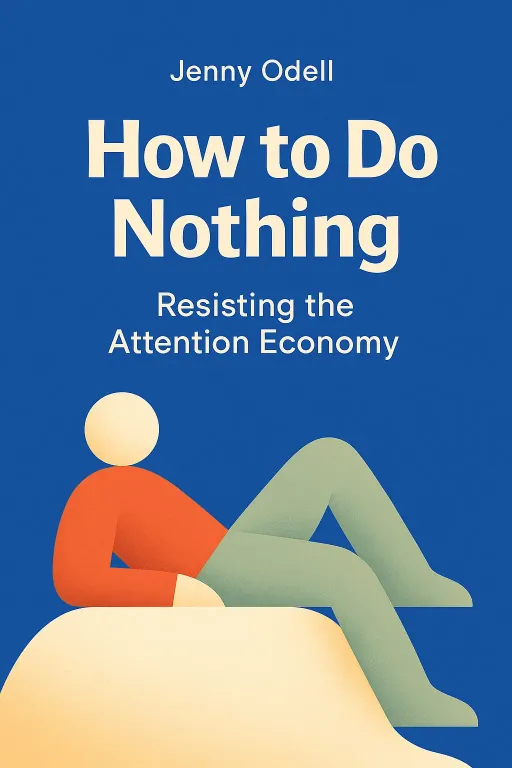
How to Do Nothing
Jenny Odell
A field guide to doing nothing as an act of political resistance to the attention economy. It is a plan of action to trace a series of movements: 1) a dropping out, not dissimilar from the “dropping out” of the 1960s; 2) a lateral movement outward to things and people that are around us; and 3) a movement downward into place.
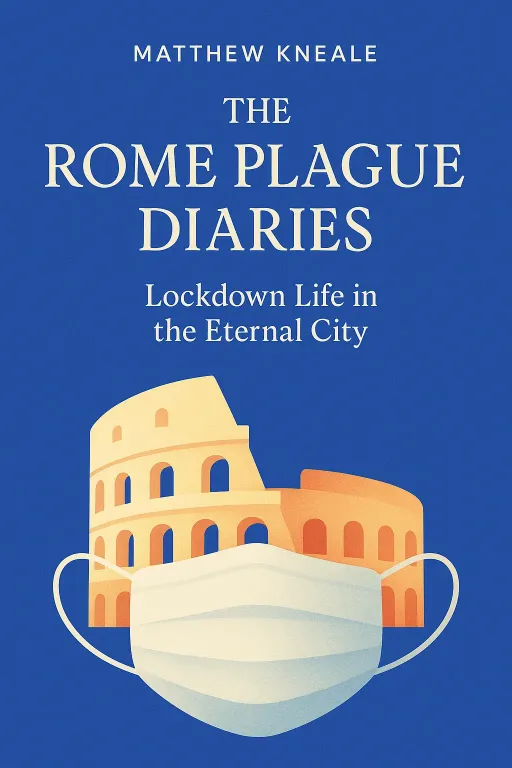
The Rome Plague Diaries
Matthew Kneale
A captivating diary of life in Rome during the Covid-19 lockdown. Matthew Kneale shares his personal experiences, observations, and reflections on the city and its people as they navigate an unprecedented crisis. A poignant and insightful account of resilience, community, and the enduring spirit of Rome.
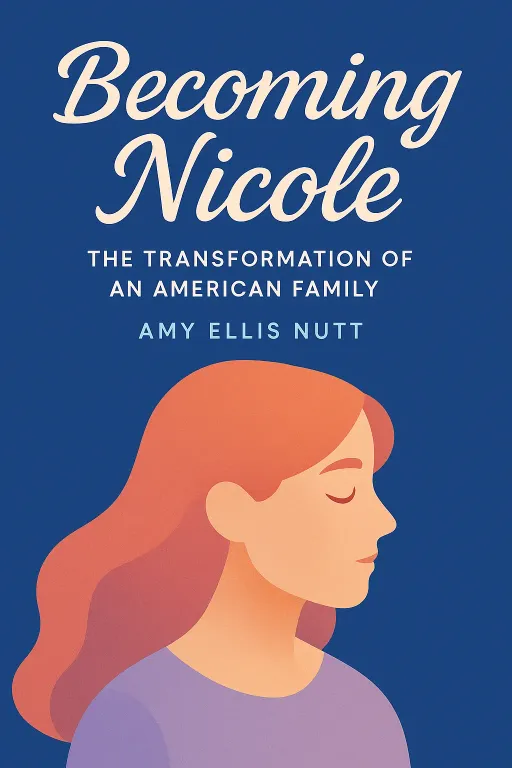
Becoming Nicole
Amy Ellis Nutt
The story of a transgender girl, Nicole Maines, and her family's journey to understand and support her identity. From early childhood, Wyatt, one of a set of identical twins, felt like a girl trapped in a boy's body. This is the story of how Wyatt became Nicole, and how her family navigated the challenges and triumphs of her transition, fighting for her rights and acceptance along the way.
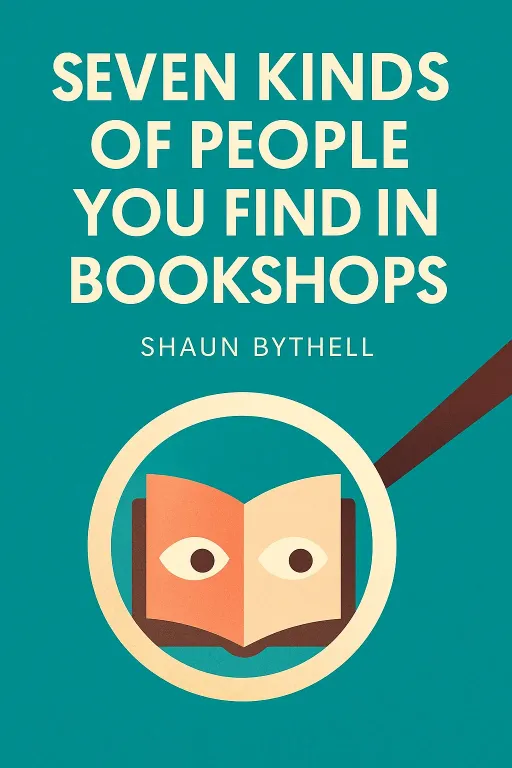
Seven Kinds of People You Find in Bookshops
Shaun Bythell
A humorous and insightful look at the various types of customers encountered in a bookshop, as observed by a bookseller over twenty years. From self-proclaimed experts to conspiracy theorists, this book offers a witty and often cynical perspective on the human interactions within the walls of a bookshop.
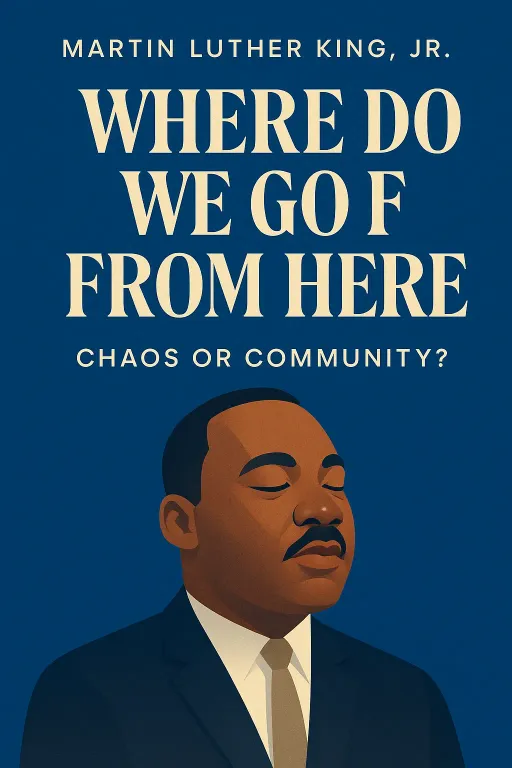
Where Do We Go from Here
Martin Luther King
In his final book, Martin Luther King, Jr. grapples with the pressing issues facing America in 1967, questioning where the nation should go after the civil rights victories of the early 1960s. He challenges readers to choose between chaos and community, offering profound insights into racism, economic inequality, and the path towards a more just and equitable society.
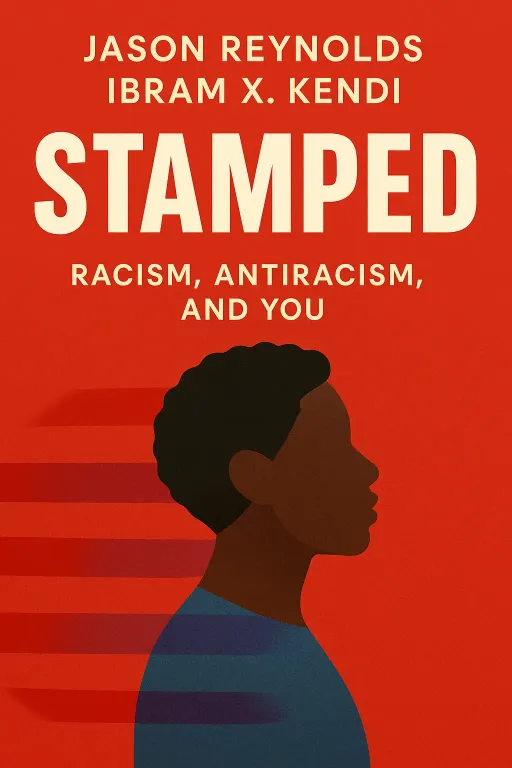
Stamped
Jason Reynolds
A timely and essential book that examines the history of racist ideas in America and challenges readers to think critically about race and equality. Adapted from Ibram X. Kendi's award-winning "Stamped from the Beginning," this remix offers a compelling narrative that connects the past to the present, encouraging readers to confront racism and work towards an antiracist future.