

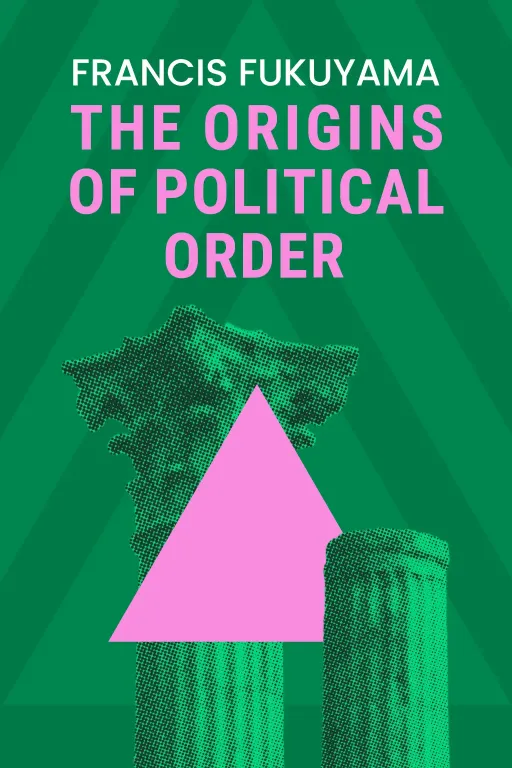
The Origins of Political Order
Francis Fukuyama
An exploration of the historical origins of political institutions, from prehuman times to the eve of the French and American revolutions. This volume delves into the emergence of the state, the rule of law, and accountable government, examining the factors that drive political development and decay across different societies and historical periods.
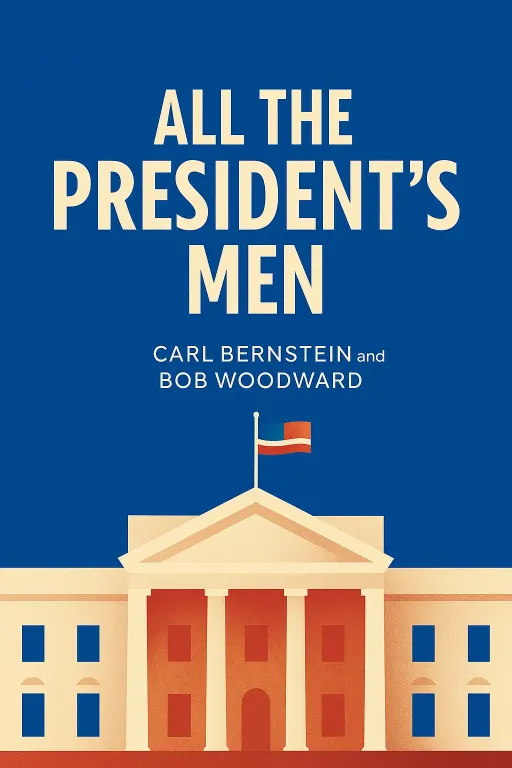
All the President's Men
Carl Bernstein
The gripping inside story of how two Washington Post reporters, Carl Bernstein and Bob Woodward, uncovered the Watergate scandal that led to President Richard Nixon's resignation. A thrilling account of investigative journalism at its finest, revealing the secrets, lies, and political intrigue that shook a nation.
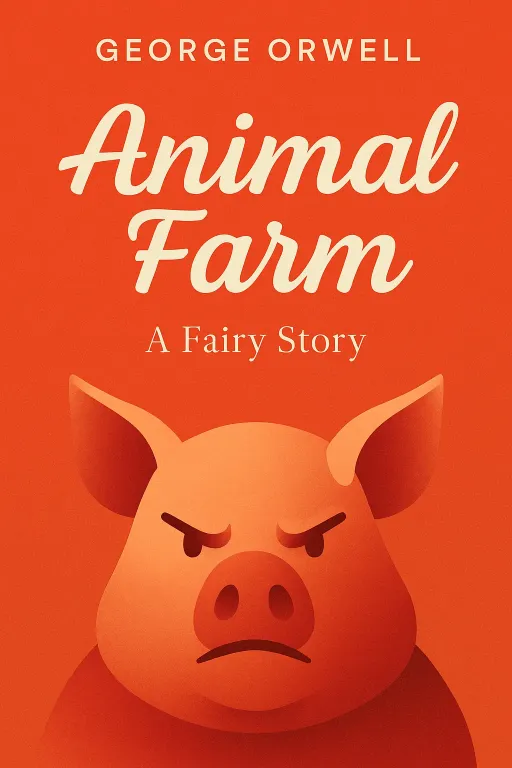
Animal Farm
George Orwell
A compelling satire set on a farm where animals revolt against their human owner, only to establish a new, more oppressive tyranny amongst themselves. A chilling allegory of power, corruption, and the betrayal of revolutionary ideals.
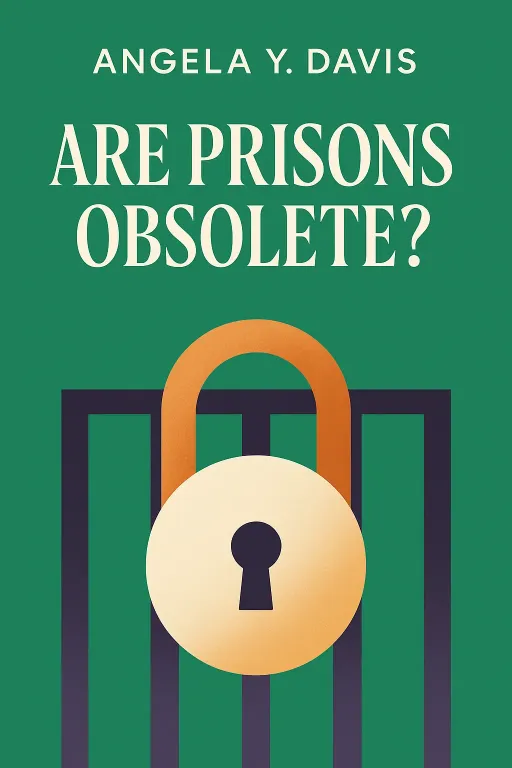
Are Prisons Obsolete?
Angela Y. Davis
Angela Y. Davis challenges the conventional understanding of the prison system, arguing for its abolition by meticulously tracing its historical development, its deep entanglement with racism, sexism, and capitalism, and its evolution into the 'prison industrial complex.' Drawing parallels with past abolition movements, she exposes how prisons perpetuate social inequalities and proposes radical alternatives for a more just and humane society.
Areopagítica
John Milton
A powerful defense of freedom of expression and against censorship, John Milton's 'Areopagitica' remains a timeless and relevant argument for the importance of open discourse in society. Written in 1644, this impassioned plea challenges the restrictive licensing orders of the English Parliament and champions the pursuit of knowledge and truth without constraint.
The Power Broker
Robert A. Caro
"The Power Broker" is widely considered one of the greatest non-fiction books ever written. In this Pulitzer Prize-winning masterpiece, journalist Robert A. Caro chronicles the life of Robert Moses, the "Master Builder" who shaped the physical reality of New York City and its suburbs more than any elected official in history. Caro uses Moses’ life to study a larger subject: the acquisition and use of power in a democracy. He reveals how Moses, who was never elected to public office, amassed absolute control for 44 years. By manipulating the murky legal structures of "Public Authorities" (like the Triborough Bridge Authority), Moses generated his own revenue streams, freeing him from the oversight of mayors, governors, and voters. The book is a tragedy of arrogance. It details how Moses started as an idealist dreamer building public parks but transformed into a tyrant who displaced half a million people. Caro meticulously documents the human cost of "progress"—from the destruction of vibrant neighborhoods for the Cross Bronx Expressway to the deliberate design of low bridges to keep buses (and low-income minorities) away from Jones Beach.
The Future Is History
Masha Gessen
A searing and essential book about Russia today, from one of our most fearless and incisive observers, that tells a chilling story of how a country is condemned to repeat the horrors of its past.
Strangers in Their Own Land
Arlie Russell Hochschild
An exploration into the lives and perspectives of the American right, seeking to understand the emotional roots of their political beliefs. Journey with the author as she crosses the empathy wall to discover the "deep story" that shapes their world view.