Beyond the Sermon: How Nonverbal Cues Amplify Your Impact
Golden Hook & Introduction
SECTION
Nova: Alright, Atlas, rapid-fire. I say a word, you give me the first nonverbal cue that comes to mind. Ready?
Atlas: Oh, I like this. Hit me.
Nova: "Truth."
Atlas: Direct eye contact. No fidgeting. Maybe a slight nod.
Nova: Good. "Deception."
Atlas: Shifty eyes, touching the face, maybe a little too much smiling. A forced smile.
Nova: Perfect. "Confidence."
Atlas: Open posture, shoulders back, steady gaze, maybe a slight lean-in.
Nova: And "Doubt."
Atlas: Hmm, crossed arms, looking away, perhaps a slight shrug. Or a little sigh before speaking.
Nova: You nailed it. And you just illustrated the core of our conversation today, which is that our words are incredibly powerful, but nonverbal communication often speaks even louder.
Atlas: Wow. That's actually really inspiring, because I think a lot of us spend so much time crafting the perfect message, the perfect sermon, the perfect presentation, and we forget that there's this whole other conversation happening simultaneously.
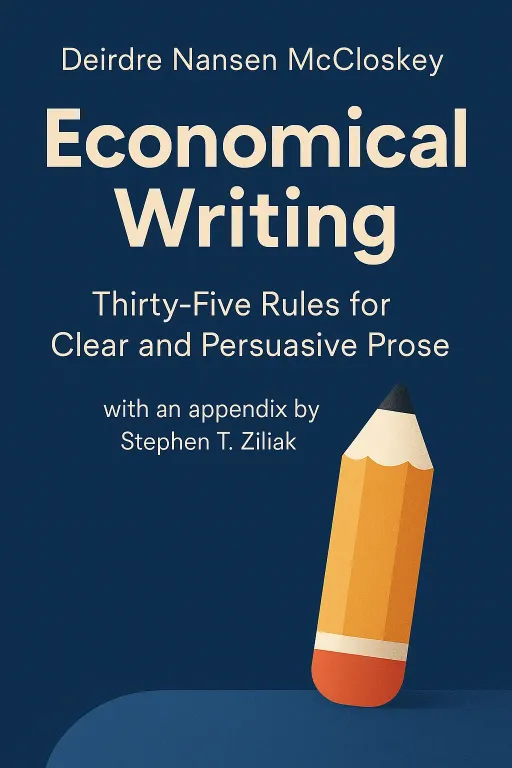
Nova: Absolutely. Today, we're diving into insights from a fascinating collection of work that we've titled "Beyond the Sermon: How Nonverbal Cues Amplify Your Impact." We're pulling wisdom from classics like "The Definitive Book of Body Language" by Allan and Barbara Pease, who are pioneers in this field, and "What Every BODY Is Saying" by Joe Navarro.
Atlas: Oh, I've heard of Navarro. Isn't he the former FBI agent?
Nova: He is! And that's what makes his work so compelling. Navarro spent decades in counterintelligence, perfecting the art of reading subtle nonverbal cues to understand unspoken thoughts and feelings, often in high-stakes interrogations where lives literally depended on it. His background gives his insights a unique, practical edge in deciphering human behavior that goes far beyond typical self-help.
Atlas: That's incredible. So, he's not just theorizing; he's seen these principles play out in real-world, high-pressure situations. For our listeners who are constantly in roles of influence, trying to connect with and guide people, this could be absolutely vital. How do we start to unravel this silent language?
The Silent Language: Decoding Nonverbal Impact
SECTION
Nova: Well, let's start with what the book calls "the cold fact": ignoring how your body, gestures, and expressions align with your message can unintentionally create dissonance. This dissonance hinders your ability to connect and inspire. Think of it like a silent alarm going off in your audience's mind.
Atlas: A silent alarm? That's a great analogy. So, even if I'm saying all the 'right' things, my body might be screaming something else?
Nova: Exactly. Pease and Pease argue that nonverbal signals are often universal and deeply ingrained, far older than spoken language. Our brains are hardwired to detect incongruence. Imagine a CEO giving a passionate speech about soaring quarterly projections, trying to inspire confidence in their team. They're saying all the right words: "We're strong, we're growing, we're confident!"
Atlas: Sounds good on paper.
Nova: But as they speak, they're constantly touching their neck, fidgeting with their tie, or perhaps subtly shifting their weight from foot to foot.
Atlas: Hold on, but he's all the right things! Why would those tiny, seemingly insignificant movements matter more than his carefully chosen words? For someone trying to inspire a community, trying to instill hope or direction, this feels like an impossible hurdle. How can those small things outweigh the actual message?
Nova: That's where Navarro's work becomes so illuminating. He explains that these subtle "tells" — touching the neck, fidgeting — are often pacifying behaviors. They signal anxiety or discomfort, even if the person isn't consciously aware of it. Your brain, the listener's brain, picks up on that dissonance. It creates a "gut feeling" of distrust or unease, even if you can't articulate why. The verbal message is "I'm confident," but the nonverbal message is "I'm nervous."
Atlas: So, the body language overrides the words. That's almost like a betrayal of the message.
Nova: In a way, yes. Your subconscious is sending a signal that says, "Don't fully trust what you're hearing, because something's off." It doesn't necessarily mean deception, but it certainly undermines the speaker's credibility and the impact of their words. It's like trying to sing a beautiful melody while your instrument is slightly out of tune.
Atlas: Give me another example, perhaps one that isn't about deception, but just a simple misalignment.
Nova: Okay, picture a leader who wants to convey genuine empathy and openness to feedback. They say, "My door is always open. Please come to me with any concerns, I truly care about your well-being." But as they say this, they're standing with their arms firmly crossed, a stern expression on their face, and they maintain very little eye contact.
Atlas: Oh, I've seen that. The message is "I care," but the body language is "I'm closed off and unapproachable."
Nova: Precisely. The nonverbal signals create a barrier, making people hesitant to approach, despite the verbal invitation. The intention might be pure, but the delivery creates a different reality. It's incredibly subtle, yet universally understood.
Atlas: Wow, that's incredibly subtle. So, it's not just about what you're to say, it's about what your body is saying, even if you're not aware of it. That's a powerful and slightly intimidating thought.
Strategic Nonverbals: Building Trust and Deepening Connection
SECTION
Nova: Exactly. And once we understand that silent language, once we become aware of its power, we can start to speak it intentionally. This leads us to the strategic use of nonverbals to build trust and deepen connection, moving beyond just avoiding dissonance to actively creating resonance.
Atlas: Okay, so it's not just about avoiding the bad signals, it's about actively the good ones. For someone who's constantly communicating and trying to foster spiritual formation and community, this could be absolutely transformative. But how do you make it feel authentic, not like acting?
Nova: That's the crucial question, and it's where Nova's take, our takeaway from these books, really shines: the key is alignment. It's not about faking it, but about truly embodying your message. If you genuinely want to connect, if you genuinely want to be open, your body will naturally send more open signals. The practice is about becoming more aware and removing the unconscious barriers.
Nova: Pease and Pease highlight "trust signals"—open palms, genuine smiles where the eyes crinkle, mirroring another person's posture to build rapport. Imagine a speaker delivering a message about unity and collaboration. Instead of standing stiffly behind a podium, they use open gestures, they move towards the audience, make steady, inclusive eye contact with different sections of the room, and occasionally lean forward slightly, conveying engagement and approachability.
Atlas: That paints a very different picture. It’s like the body is saying, "I'm with you, I'm open, I'm listening."
Nova: Exactly. And Navarro adds another layer: understanding others' nonverbals allows to tailor your message. If you're speaking, and you notice people starting to cross their arms, lean back, or frown, those are nonverbal cues that they might be feeling skeptical, defensive, or confused.
Atlas: So, it's a real-time feedback loop! If I'm speaking and I notice people starting to cross their arms, it's a cue for me to maybe change my tone, offer a more relatable example, or directly address potential objections to re-engage them?
Nova: Precisely! It's about being present and responsive, making communication a dynamic, two-way street, even when only one person is speaking. You're not just delivering information; you're having a conversation with their subconscious. This ability to read the room and adapt is what allows for deeper resonance and authenticity. It’s a powerful tool for anyone in a leadership or teaching capacity.
Atlas: That's a game-changer. It shifts communication from a monologue to a nuanced, responsive dialogue. It really underscores that impact isn't just about the words, but the entire human experience you're creating.
Synthesis & Takeaways
SECTION
Nova: It truly does. When you synthesize these insights, the core idea is that nonverbal communication isn't just an accessory to your words; it's often the foundation upon which trust, connection, and true impact are built. It's about coherence – ensuring your entire being, every micro-expression and gesture, speaks the same message as your carefully chosen words.
Atlas: Oh man, it's profound to think that our deepest intentions, our drive for service, our desire to nurture and inspire, can be undermined or amplified by something we rarely even consider. This isn't just about public speaking; it's about every single interaction, every conversation we have.
Nova: It is. And the beauty is, it's a skill that can be developed. The books suggest a "Tiny Step" that anyone can take: Before your next important conversation or presentation, consciously choose just one nonverbal cue to practice.
Atlas: Just one? Like what?
Nova: It could be something simple, like maintaining steady eye contact for a few extra seconds, or consciously keeping your palms open when you speak, or even just noticing if you're unintentionally mirroring someone's closed-off posture. Then, observe its effect on your audience.
Atlas: That's a tangible, actionable step. For leaders often juggling so much, for anyone feeling overwhelmed by the complexity of human interaction, focusing on just one thing makes it accessible. It's about mindful presence, truly being in the moment with your message and your audience.
Nova: Exactly. That seemingly small practice can create a profound ripple effect, building greater authenticity, deeper trust, and ultimately, amplifying your influence in all areas of life, especially for those dedicated to nurturing others and fostering community. It's about becoming a truly integrated communicator.
Atlas: Congratulations on your growth! This is Aibrary.