The 'Influence' Trap: Why You Need Ethical Persuasion for Growth
Golden Hook & Introduction
SECTION
Nova: What if I told you that the secret to genuinely influencing people isn't about being charismatic, or even having the best product, but about understanding six almost invisible psychological tripwires that are hardwired into every single one of us?
Atlas: Whoa. Invisible tripwires? That sounds a bit out there, Nova. As someone who's constantly trying to build movements and achieve sustainable growth, I'm used to hearing about strategies, not... psychological tripwires. Are we talking about some kind of Jedi mind trick here?
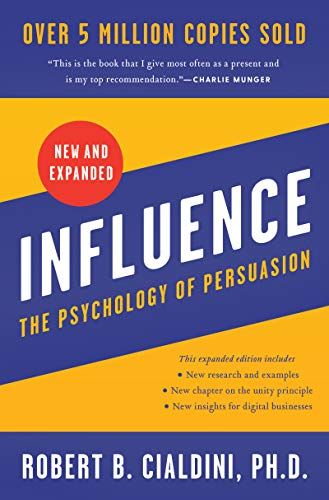
Nova: Not Jedi mind tricks, Atlas, but something far more profound and, frankly, scientific. Today, we're diving into the absolute bedrock of ethical persuasion, drawing primarily from two titans: Robert Cialdini’s seminal work, "Influence, New and Expanded," and Daniel Kahneman’s groundbreaking "Thinking, Fast and Slow."
Atlas: Kahneman, the Nobel laureate, right? I've heard whispers about his work. But Cialdini?
Nova: Cialdini is fascinating. He didn't just theorize about persuasion; he spent years going undercover, immersing himself in sales training programs and marketing organizations. He wanted to see, firsthand, how influence really works in the wild. And Kahneman, alongside his brilliant partner Amos Tversky, completely revolutionized our understanding of how our brains actually make decisions, earning him that Nobel Prize.
Atlas: So you're saying these guys cracked the code on human behavior? How do these academic insights translate into real-world impact for someone looking to truly understand their audience, not just sell to them?
Nova: Exactly. These aren't just academic curiosities. They are the foundational psychological principles that explain people say yes, they commit, and they choose one path over another. Understanding them isn't about manipulation, it's about building strategies that resonate ethically with how humans are wired.
The Six Principles of Influence: Unmasking Human Decision-Making
SECTION
Nova: Let's start with Cialdini. He identified six universal principles of persuasion. They are: Reciprocity, Commitment and Consistency, Social Proof, Authority, Liking, and Scarcity. Think of them as the fundamental human reflexes.
Atlas: Okay, so six reflexes. Give me the first one. Reciprocity sounds like... I scratch your back, you scratch mine?
Nova: Precisely. It’s the deep-seated human tendency to feel obligated to return a favor. Imagine you're walking through a mall, and someone offers you a free sample of food. You didn't ask for it, but now you feel a slight pull, a tiny obligation, to listen to their pitch or even buy something.
Atlas: I know that feeling! It’s like when a charity sends you those unsolicited address labels in the mail. You didn’t ask for them, but suddenly you feel a little guilty if you don’t donate. So it's not about being nice, it's about creating an almost unconscious obligation.
Nova: Exactly. Now, picture this: Commitment and Consistency. This one's powerful. Once we make a small commitment, especially publically, we feel an internal and external pressure to stay consistent with that initial stance.
Atlas: So, you mean like if I agree to a tiny request, I’m more likely to agree to a bigger one later? That sounds a bit like how some businesses get their foot in the door.
Nova: It is. Think about a company asking you to sign a petition for a cause you mildly support. It's a small, no-cost commitment. But once you've signed, you've publicly aligned yourself with that cause. Later, when they ask for a donation, you're far more likely to give, because you want to be consistent with that initial commitment.
Atlas: But wait, isn't that just manipulation? Where's the 'ethical' part you mentioned when we're talking about subtly getting people to do things?
Nova: That’s a crucial question, Atlas. Understanding these principles isn’t inherently manipulative. It becomes ethical when you use them to facilitate choices that genuinely benefit the person, aligning with their existing values or needs. Manipulation is using them to trick someone into something they want or need. The ethical line is drawn in the intention.
Atlas: I guess that makes sense. So, what’s next on this list of mind-bending principles?
Nova: Social Proof. This is our tendency to look to others to determine appropriate behavior. If everyone else is doing it, it must be right. Think about product reviews online, or why a restaurant with a queue often seems more appealing than an empty one.
Atlas: Ah, so it's the "everyone else is doing it" effect. For someone trying to build a movement, this means showing, not just telling, that others are on board. It’s about cultivating genuine engagement, not just faking numbers.
Nova: Precisely. Then we have Authority – we tend to defer to credible experts or figures. Liking – we’re more easily persuaded by people we know and like. And finally, Scarcity – the perception that opportunities are more valuable when their availability is limited. Think "limited-time offer" or "only three left in stock."
Atlas: That’s a great way to put it. These principles feel almost automatic, like they bypass our rational brain entirely. It’s like our minds are making decisions on autopilot sometimes.
System 1 vs. System 2: Navigating the Dual Minds of Persuasion
SECTION
Nova: This 'automatic' feeling Atlas, is exactly what Daniel Kahneman unpacks with System 1 and System 2 thinking. He shows us that we essentially have two operating systems in our brains.
Atlas: Two operating systems? Like a dual-core processor for our thoughts?
Nova: Kind of! System 1 is fast, intuitive, emotional, and largely unconscious. It’s what allows you to instantly recognize a face, or know that 2 + 2 = 4. It’s effortless. System 2, on the other hand, is slow, deliberate, logical, and requires effort. It’s what you use to solve a complex math problem, or intentionally choose what to cook for dinner tonight.
Atlas: So, are we saying most of our decisions are made by this 'fast' brain, and we just rationalize them later? Because a lot of people, myself included, like to think we're very logical in our choices.
Nova: That’s a huge insight from Kahneman's work: System 1 often makes the initial call, and System 2 comes in afterward to construct a plausible story for we made that choice. It's not that System 2 is useless; it's essential for deep analysis, but it's also lazy. It prefers to conserve energy.
Atlas: So how does understanding this dual system help someone building a movement, beyond just selling a product? How does it build real, sustainable engagement and impact?
Nova: It's powerful. Think about how Cialdini's principles trigger System 1. When you see "only two left in stock", your System 1 fires off an immediate fear of missing out. You feel an urgency. Your logical System 2 hasn't even had a chance to fully analyze if you need it.
Atlas: That gives me chills, because I've definitely felt that urgency before, only to regret the purchase later.
Nova: Exactly. For ethical influence, you leverage System 1 for initial engagement—using social proof to catch attention, or reciprocity to build initial goodwill. But then, you provide enough compelling information and value that System 2 can kick in, analyze, and that initial System 1 impulse.
Atlas: So you're not just triggering a reflex; you're then giving the rational brain good reasons to stick with that decision. That sounds like building trust, not just making a quick sale. It’s about designing experiences that respect both systems, leading to genuine resonance and sustainable growth.
Synthesis & Takeaways
SECTION
Nova: You've hit on the core of it, Atlas. Cialdini's principles are the 'what' of influence—the specific psychological triggers. Kahneman's System 1 and System 2 are the 'how' our brains process those triggers. Together, they offer a profound roadmap to understanding human behavior.
Atlas: So, for our listeners who are navigating complex strategies, building impactful ventures, and driven by a desire for mastery, what's one immediate tiny step they can take to apply this today?
Nova: Here’s a tiny step: take a moment to review your current marketing messages, your team communications, or even your personal interactions. Can you identify which of Cialdini's principles you're already leveraging, or could leverage more ethically, to speak to both System 1 for initial connection and System 2 for sustained commitment? It's about consciously choosing to use these insights for mutual benefit.
Atlas: That's actually really inspiring. It frames influence not as a dark art, but as a deep understanding of humanity itself. When you understand how people truly make decisions, you can build something genuinely impactful and lasting.
Nova: Absolutely. True influence isn't about tricking people; it's about facilitating choices that align with their deeper needs and values, using psychological insights to build genuine connection and sustainable impact. It’s about moving from short-term gains to profound, ethical growth.
Atlas: This is Aibrary. Congratulations on your growth!