The Hidden Levers: Mastering Influence in Complex Deal Structures.
Golden Hook & Introduction
SECTION
Nova: What if I told you the best negotiation strategy isn't always about the numbers, the meticulously crafted data, or even your brilliantly defined objectives?
Atlas: Whoa, Nova, are you saying all those late nights crunching spreadsheets and perfecting presentations are, dare I say it, a blind spot in the grand scheme of deal-making? That sounds almost… heretical to some of our listeners focused on hard metrics.
Nova: Heretical, perhaps, but profoundly true. Because even with the most robust data, complex deal structures can stall, not because of a flaw in the logic, but due to unspoken psychological barriers. It’s about the subtle forces that truly drive human behavior and decision-making.
Atlas: That’s fascinating. So, we're talking about shifting from purely rational arguments to something more nuanced, more human? Where are we pulling these insights from today?
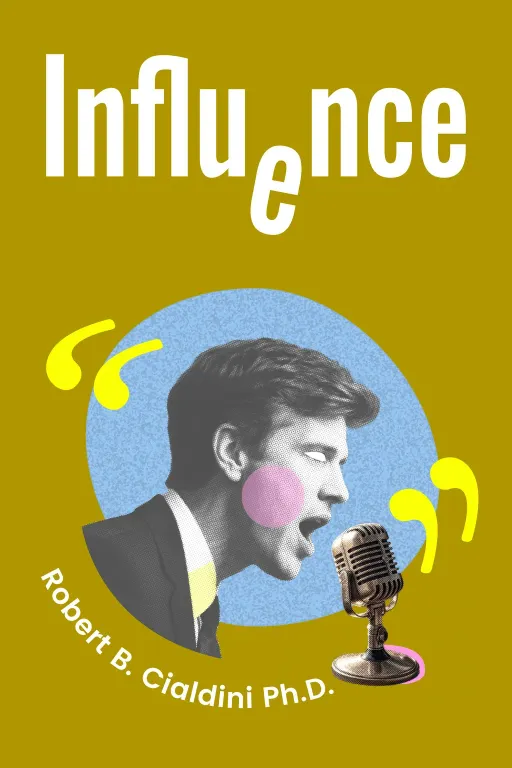
Nova: Exactly. Today, we're diving into the absolute bedrock of understanding human influence and decision-making, drawing from two titans in their fields. First, Robert Cialdini’s seminal work, "Influence: The Psychology of Persuasion," a book that has shaped our understanding of why people say 'yes' for decades. And then, we’ll explore Daniel Kahneman’s groundbreaking "Thinking, Fast and Slow," the work that earned him a Nobel Prize for illuminating the two systems that govern our minds. These aren't just academic texts; they're blueprints for mastering the human element in any complex interaction.
Atlas: A Nobel Prize winner and a foundational text… that definitely elevates the conversation beyond mere tactics. So, for our listeners who are constantly building stronger teams, shaping robust firm cultures, and creating lasting value through operational excellence, what’s the core shift we’re aiming for today?
Nova: Today, we'll dive deep into this from two perspectives. First, we'll explore Cialdini's six universal principles of ethical persuasion, then we'll discuss Kahneman's groundbreaking work on System 1 and System 2 thinking, and how both radically reshape strategic negotiation. It’s about moving from just building structures to understanding the psychological architecture within them.
The Six Pillars of Persuasion: Cialdini's Ethical Influence
SECTION
Nova: Let's start with Cialdini, because his work provides a fantastic framework for understanding the 'what' of influence. He outlines six universal principles that, when understood, allow you to ethically guide negotiations and build consensus, especially in intricate deal environments. Think of them as the invisible architecture of persuasion.
Atlas: Invisible architecture, I like that. But wait, Nova, isn't 'persuasion' often associated with manipulation? For someone who's driven by impact and creating lasting value, the word itself can sometimes raise a red flag. How do we ensure this is about ethical guidance?
Nova: That’s a crucial distinction, Atlas. Cialdini himself emphasizes ethical application. These principles are powerful precisely because they tap into deeply ingrained human tendencies. Used ethically, they foster genuine agreement and build long-term relationships; used manipulatively, they backfire spectacularly. It’s about understanding human nature, not exploiting it.
Atlas: Okay, that makes sense. So, give us the first pillar. How can our listeners, who are often in high-stakes negotiations, start to see these principles in action?
Nova: The first is. It’s simple: we feel obligated to return favors. If you do something for someone, they're more likely to do something for you. Think about a complex deal where one party offers a small, unexpected concession early on. It's not a major point, but it creates a psychological debt. Later, when a more significant request comes, that initial gesture primes the other side to be more accommodating.
Atlas: Oh, I see. So it’s not just about a quid pro quo on paper, but a subtle, almost subconscious feeling of owing someone. I imagine a lot of our strategists might overlook that in their eagerness to get straight to the bottom line.
Nova: Precisely. The second is. Once we make a small commitment, we feel internal and external pressure to remain consistent with that stance. In a deal, this might involve getting a verbal agreement on a minor point, then another, gradually building momentum. It's much harder for someone to back out of a large agreement if they've already publicly or privately committed to several smaller, related steps.
Atlas: That’s a great way to put it. I can definitely relate to that feeling of wanting to stick to your word, even if it's just a small thing. For someone trying to build a robust firm culture, how would you apply that? Getting people to commit to new values or processes?
Nova: Absolutely. Start with small, voluntary actions that align with the new culture. Get them to articulate they support it. That initial, seemingly minor commitment becomes a powerful internal driver for continued consistency.
Nova: The third is. We look to others to determine what is correct behavior. If everyone else is doing it, it must be right. Imagine a negotiation where you can genuinely highlight how similar deals have benefited other respected companies in the industry, especially those facing similar challenges. That's powerful social proof.
Atlas: That’s a great example. So it's like saying, "Don't just take our word for it, look at what these other successful players did." It leverages that innate human desire to belong or to follow a proven path.
Nova: Exactly. Then comes. We tend to obey figures of authority. This isn't just about job titles, but perceived expertise. If you can establish yourself or your team as the undeniable expert in a particular area relevant to the deal, your proposals carry more weight. This isn't about arrogance, but about genuinely demonstrating competence and knowledge.
Atlas: That makes me wonder, though. In a world where information is so democratized, is authority still as potent? Or does it just shift to who has the most compelling data or the most innovative approach?
Nova: It shifts, but the principle remains. It's less about a formal title and more about demonstrated, credible expertise. The fifth principle is. We are more likely to be persuaded by people we like. This is where genuine rapport, finding common ground, and even subtle mirroring of body language can make a huge difference in building trust and openness during negotiations.
Atlas: Oh, I’ve been there. You walk into a room, and if you just genuinely connect with someone, the whole dynamic changes. It's not about being fake; it’s about finding that authentic human connection.
Nova: Precisely. And finally,. Opportunities seem more valuable when they are less available. "Limited time offer," "only two left," "exclusive access." In a deal, framing a particular opportunity or resource as unique or time-sensitive can often motivate faster, more decisive action.
Atlas: That sounds a bit out there, isn't that just creating artificial pressure? Again, how do we keep that ethical?
Nova: It's ethical when the scarcity is genuine. For instance, if a particular market window truly is closing, or if a unique talent pool is only available for a limited engagement. It’s about communicating reality, not fabricating urgency. The key takeaway from Cialdini is that these principles are always at play. Understanding them allows you to be both a better persuader and better protected from unethical persuasion. You can build consensus and create lasting value by tapping into these universal human drivers, moving beyond just the numbers to the psychology of the deal.
Navigating the Minds: Kahneman's System 1 and System 2 in Negotiations
SECTION
Atlas: That’s a fantastic breakdown of Cialdini. It makes perfect sense how those subtle triggers can influence behavior. So, if Cialdini shows us influences, Kahneman, with his Nobel-winning insights, helps us understand our brains process that influence, right? He dives into the cognitive machinery beneath it all.
Nova: Exactly, Atlas. Kahneman's work on System 1 and System 2 thinking is crucial here because it illuminates the underlying cognitive processes that Cialdini's principles often tap into. Recognizing when intuition, or System 1, or deliberate thought, System 2, is at play in a negotiation helps you anticipate reactions and frame proposals far more effectively.
Atlas: Okay, so let’s break that down. What exactly is System 1, and how does it show up in a deal? For our listeners who are architecting complex value creation strategies, understanding this could be a game-changer.
Nova: System 1 is our fast, intuitive, emotional, and often unconscious thinking. It’s what allows you to understand a simple sentence, drive a car on an empty road, or react to a sudden noise without consciously thinking. In a negotiation, System 1 is responsible for snap judgments, gut feelings, first impressions, and reacting to emotional cues. It’s incredibly efficient but prone to biases, like anchoring—where the first number mentioned heavily influences subsequent negotiations, regardless of its true value.
Atlas: Ah, so that’s why that initial offer, even if it's ridiculous, can sometimes stick in your head and pull the whole negotiation off course. It’s that quick, unconscious mental shortcut.
Nova: Precisely. And on the flip side, we have System 2. This is our slow, deliberate, logical, and effortful thinking. It’s what you engage when you solve a complex math problem, analyze a detailed contract, or consciously weigh pros and cons. In negotiations, System 2 is crucial for deep analysis, strategic planning, identifying hidden assumptions, and resisting those System 1 biases.
Atlas: That makes perfect sense. So, for someone in charge of optimizing post-acquisition performance, how do you guard against System 1 biases when evaluating new opportunities or even assessing the performance of a newly acquired asset? You’re under pressure, time is short, and there’s so much data.
Nova: That's where awareness becomes your superpower. You actively build processes to engage System 2. For example, when evaluating an acquisition, don't just rely on the initial presentation or the 'story' being told. Force yourself and your team to list counter-arguments, seek disconfirming evidence, and conduct pre-mortems—imagine the deal has failed and work backward to identify potential causes. This consciously overrides System 1's tendency to embrace a coherent, but possibly flawed, narrative.
Atlas: That’s brilliant. It's like building a psychological firewall into your decision-making process. But what about when you're the one presenting? How do you frame proposals to appeal to both systems? You want to be logical, but you also need to resonate.
Nova: That’s the art of it. You appeal to System 1 by crafting a compelling narrative, using clear, simple language, and perhaps even leveraging some of Cialdini’s principles – like social proof if you can show how a similar solution worked for others. You want to make it easy for System 1 to say, "Yes, this feels right." But then, you immediately back it up with the rigorous data and logical arguments that satisfy System 2. You give them the emotional hook, then the rational justification.
Atlas: So you're saying, don't just throw data at people and expect them to logically process it if their System 1 is screaming 'no' already? You have to address both the gut feeling and the logical brain.
Nova: Exactly. It's about recognizing that people aren’t purely rational actors, especially in high-stakes environments. Emotions and intuition play a massive role, and System 1 often makes the initial call. By understanding this, you can anticipate emotional reactions, frame your arguments to resonate, and then provide the robust System 2 justification needed for a solid, lasting agreement. It transforms negotiation into a more empathetic and ultimately more effective process.
Synthesis & Takeaways
SECTION
Nova: Ultimately, Atlas, what both Cialdini and Kahneman reveal is that the most powerful lever in any complex deal isn't just what's on paper, the spreadsheets, or the legal clauses. It's what's in the human mind. The invisible forces of persuasion and the internal cognitive systems that process information.
Atlas: Absolutely. It's about building, not just winning. It's about creating value and strong relationships by understanding the very human nature of decision-making. These insights fundamentally shift your approach from purely rational arguments to a more nuanced understanding of human psychology in deal-making.
Nova: Exactly. It's about ethical influence, about guiding outcomes not through force, but through deep understanding and respect for how people think and decide. That’s where true mastery lies.
Atlas: A powerful thought to leave our listeners with. So, for all our strategists out there, constantly envisioning stronger teams and robust firm cultures, driven by impact and creating lasting value: in your next high-stakes conversation, how will you subtly apply one of Cialdini's principles, keeping Kahneman's systems in mind, to build consensus and create lasting value, without ever being manipulative?
Nova: A powerful question to ponder. This is Aibrary. Congratulations on your growth!