Ethical Leadership is a Trap: Why You Need Moral Imagination.
Golden Hook & Introduction
SECTION
Nova: Here's a thought that might make you squirm a little: What if "ethical leadership," as we commonly understand it, is actually holding us back?
Atlas: Wait, what? Ethical leadership is a trap? That feels like saying water is dry, Nova! Or that kindness is a weakness. I mean, isn't being ethical the?
Nova: It is the goal, Atlas. Absolutely. But the we typically approach it – often through a rigid set of rules and guidelines – can inadvertently create a significant blind spot. It can prevent us from seeing the full moral landscape.
Atlas: Okay, but how? Most leaders aspire to be ethical, to follow the rules, to do the right thing. What's the hidden danger in that?
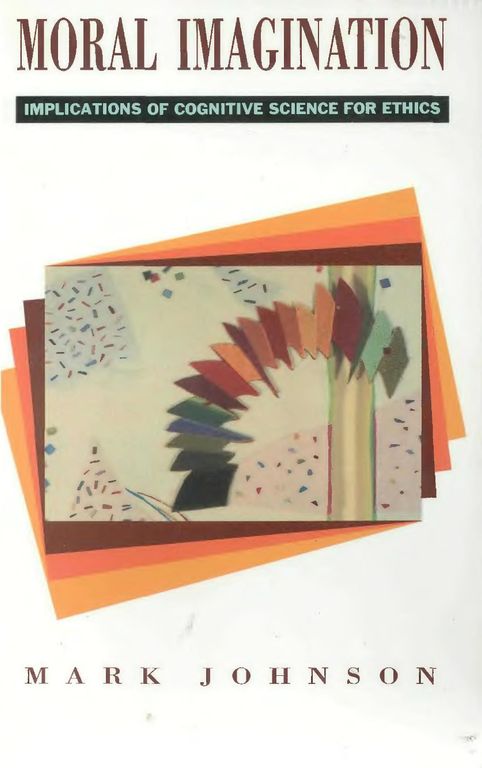
Nova: Well, today, we're unpacking a truly provocative idea, inspired by the profound work of thinkers like Mark Johnson, particularly his concept of "moral imagination." Johnson, a philosopher whose insights are incredibly relevant for anyone navigating complex decisions, challenges us to see ethics not as a static, rigid set of principles, but as something far more fluid, creative, and yes, imaginative. He's not just interested in what rules we follow, but how we and our moral realities.
Atlas: Oh, I like that. So, not just about what's 'right' or 'wrong' on paper, but something more... active? More like a muscle we need to flex, rather than a checklist we tick off? That sounds intriguing, especially for leaders who are always trying to build resilient organizations and drive lasting change.
Nova: Exactly! And that leads us straight into our first core idea: the inherent limitations of that traditional, rules-based approach.
The Blind Spot: Why Rules-Based Ethics Fail Leaders
SECTION
Nova: Many leaders believe that ethical leadership simply means adhering to established rules, regulations, and a company's code of conduct. It's a reactive stance: "Don't break the rules, and you're ethical."
Atlas: And that makes sense on the surface. Rules provide clarity, they set boundaries, they protect against obvious wrongdoing. For a strategic guardian, that seems like a fundamental pillar for integrity.
Nova: They do, and they're essential as a baseline. But relying on rules creates what we call a "blind spot." It's like having a moral checklist instead of a moral compass. A checklist tells you what to do based on past mistakes. A compass helps you navigate uncharted territory and foresee potential ethical dilemmas that haven't even been codified yet.
Atlas: Hold on, but for our listeners managing high-pressure teams, isn't having clear rules a good thing? It prevents chaos, especially in complex organizations trying to achieve systemic change. If everyone just started "imagining" their own ethics, wouldn't that be a recipe for disaster?
Nova: That's a fair point, Atlas. Rules provide a necessary framework. They are the guardrails. But true ethical leadership, especially when facing systemic issues that defy simple answers, requires more than just staying within the lines. It demands a proactive, not merely reactive, moral stance. The problem arises when leaders encounter situations where the rules don't quite fit, or worse, where following the rules still leads to morally questionable outcomes.
Atlas: Can you give an example? Because it feels counterintuitive to say that following the rules isn't enough.
Nova: Absolutely. Imagine a well-meaning leader, let's call her Sarah, in charge of a large manufacturing plant. Her company has a strict rule: optimize for efficiency and cost-cutting to remain competitive. Sarah, being an ethical leader by the book, identifies a way to streamline operations by outsourcing a significant portion of their assembly line to a region with much lower labor costs. On paper, it's a brilliant business decision, perfectly aligned with company policy. She follows all the legal requirements for layoffs and transfers, provides severance packages as per the rules.
Atlas: So, she’s ticking all the boxes, right? Legally compliant, financially sound.
Nova: Precisely. But here’s the blind spot: Sarah, focused on the immediate metrics and the rulebook, fails to fully imagine the. She doesn't deeply consider the long-term devastation to her local community where generations have worked at the plant. She doesn't anticipate the erosion of employee loyalty among those who remain, seeing their colleagues displaced. She doesn't foresee the potential for quality control issues with the new, cheaper labor force, leading to a decline in product integrity down the line. Her "ethical" decision, driven by adherence to one set of rules, inadvertently creates a cascade of negative moral consequences that were entirely avoidable had she engaged a deeper level of foresight.
Atlas: Wow. That’s going to resonate with anyone who’s had to make tough calls under pressure. It's easy to just follow the playbook, especially when the stakes are high and the pressure to perform is intense. You're so focused on the immediate, measurable outcomes that the broader human impact can become invisible.
Nova: Exactly. It's not that Sarah was malicious; she simply had an ethical blind spot, a limitation of a purely reactive, rules-based approach. The rules told her what she do, but not necessarily what she do, or what the might be.
Atlas: So, if rules aren't enough, what the alternative? How do we see these ripple effects before they hit? How does a leader, who's already juggling so much, develop this kind of foresight?
Unlocking Moral Imagination: Beyond Logic to Proactive Ethical Foresight
SECTION
Nova: And that naturally leads us to the heart of our discussion: "moral imagination." It’s about cultivating the ability to envision multiple moral futures. Mark Johnson argues that moral reasoning isn't just about cold logic or applying abstract principles. It's a deeply imaginative process. We use narratives, metaphors, and storytelling to understand complex situations and project the consequences of our actions. It's about moving beyond rigid principles to a more fluid, adaptive ethics.
Atlas: Moral imagination? Is that just, like, being a good person and thinking hard? Or is there a method to this madness? Because for leaders driven by integrity and seeking systemic solutions, "just imagine harder" doesn't sound like a practical strategy.
Nova: That's a great question, and it's far more rigorous than just wishful thinking. Think of it in terms of Daniel Kahneman's work on "Thinking, Fast and Slow." Our initial ethical judgments are often intuitive, what he calls System 1 thinking – fast, automatic, emotional. We see a situation, and our gut tells us if it's "good" or "bad."
Atlas: Right, like a knee-jerk reaction. "That's obviously wrong."
Nova: Precisely. But developing moral imagination helps us engage System 2 thinking – slower, more deliberate, and analytical. It allows for more nuanced ethical foresight. It’s like moving from a knee-jerk reaction in ethics to a thoughtful chess game, where you're not just reacting to the immediate move, but anticipating several moves ahead, considering all the potential outcomes.
Atlas: So, it's essentially training our brains to pause, to look beyond the obvious, and to consciously construct different ethical scenarios? This is intriguing for anyone trying to anticipate and shape the future of their organization.
Nova: Exactly. It means actively asking "what if" questions, not just about business outcomes, but about moral ones. What if this decision, intended to help X, inadvertently harms Y in five years? What narratives are we telling ourselves about this decision, and what narratives are we?
Atlas: This sounds like a crucial tool for leaders aiming for profound societal impact. It’s not just about "doing good," it's about good, and actively preventing harm that might not be immediately apparent. It’s strategic foresight applied to ethics. Can you give us another example where this moral imagination really shines?
Nova: Of course. Consider a tech leader, let's call him David, who is developing a new AI-powered platform for content creation. His team is brilliant, focused on innovation and market capture. A traditional ethical approach might focus on data privacy compliance and avoiding hate speech. But David, having cultivated moral imagination, pushes his team further. He asks them to the platform's social impact five, ten, even fifteen years down the line.
Atlas: So, he's not just thinking about current regulations.
Nova: Not at all. He encourages them to 'narrate' potential futures. What if this AI, while efficient, subtly biases creative content towards certain demographics or viewpoints, inadvertently eroding diversity in storytelling? What if it replaces human creatives at an unprecedented scale, leading to widespread job displacement and economic instability in creative industries? What if the algorithms, designed for engagement, inadvertently amplify misinformation or create echo chambers that fragment society?
Atlas: That's a much deeper dive than just "Is it legal?" or "Is it fair right now?" He's asking about the very fabric of society.
Nova: He is. David proactively brings in ethicists, futurists, sociologists, and even sci-fi writers to help his team envision these darker, unintended moral ripple effects. This isn't about halting innovation, but about designing for resilience and responsibility from the ground up. They might build in ethical "off-ramps," create transparency mechanisms, or even develop new business models that support human creativity alongside AI. That's moral imagination in action: actively anticipating and shaping ethical outcomes, rather than just reacting when problems arise.
Atlas: That's a powerful distinction. For our listeners who are impact weavers, trying to build something lasting, this isn't just a philosophical exercise. It sounds like a survival skill for the modern leader. It sounds like it helps you build a product or an organization that is truly resilient, not just in terms of profits, but in terms of its moral standing in the world. But how does a busy leader actually envisioning multiple moral futures? It sounds like a big ask.
Synthesis & Takeaways
SECTION
Nova: It can feel like a big ask, but it starts small. The core idea is that ethical leadership moves beyond a reactive, rules-based approach to a proactive, imaginative one. It means understanding that our initial, intuitive ethical judgments can be biased and limited. We need to consciously engage our System 2, our moral imagination, to envision broader possibilities and potential consequences. This is how leaders truly navigate complexity and achieve profound societal impact. It's about anticipating both intended and unintended moral ripple effects before they become crises.
Atlas: I imagine many of our listeners, those ethical explorers and impact weavers, are thinking, "This is exactly what I need to build resilient organizations." It’s about trusting your inner wisdom, as you always say, but also rigorously expanding its scope.
Nova: Absolutely. So, for our listeners, here’s a concrete step to start cultivating your moral imagination: The next time you're facing a significant strategic decision, dedicate time for reflection. Don't just ask "Is this ethical according to our rules?" Instead, actively ask: "What are the ethical implications of this decision 5, 10, or even 20 years down the line? Who might be unexpectedly affected, and in what ways?" And crucially, connect with diverse perspectives. Bring in people from different backgrounds, disciplines, and life experiences to help you narrate those potential futures.
Atlas: And what role do the stories we tell ourselves, and each other, play in expanding that moral imagination? Because Johnson talks a lot about narratives and metaphors.
Nova: They're fundamental, Atlas. The stories we consume, the metaphors we use, they shape our understanding of the world and our moral possibilities. By consciously expanding our narrative diet, by seeking out different stories and perspectives, we expand our capacity to imagine, and therefore, to lead more ethically. It's about trusting your inner wisdom, Atlas, and embracing the journey of shaping a more morally intelligent future, one imaginative step at a time.
Nova: This is Aibrary. Congratulations on your growth!