The Masterful Eye: How Artists See Patterns Beyond the Obvious
Golden Hook & Introduction
SECTION
Nova: What if the most influential art exhibit you ever saw wasn't hanging in a gilded museum gallery, but flashing on your screen every single day, completely unnoticed?
Atlas: Whoa, that's a bold claim, Nova. I mean, I I'm pretty observant. Are you telling me I'm missing the Mona Lisa of the internet in my daily scroll? Because that feels… ambitious.
Nova: Ambitious, yes, but also profoundly true. We’re talking about the art and culture that surrounds us constantly, the images and narratives we consume without truly their deeper messages or power structures. It's like looking at a book without understanding the language it's written in.
Atlas: Oh, I like that. So, we're not just talking about paintings, then? This is bigger.
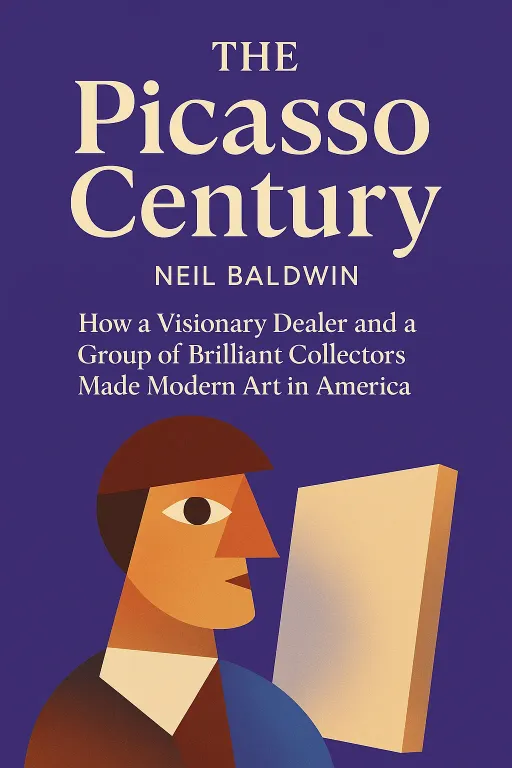
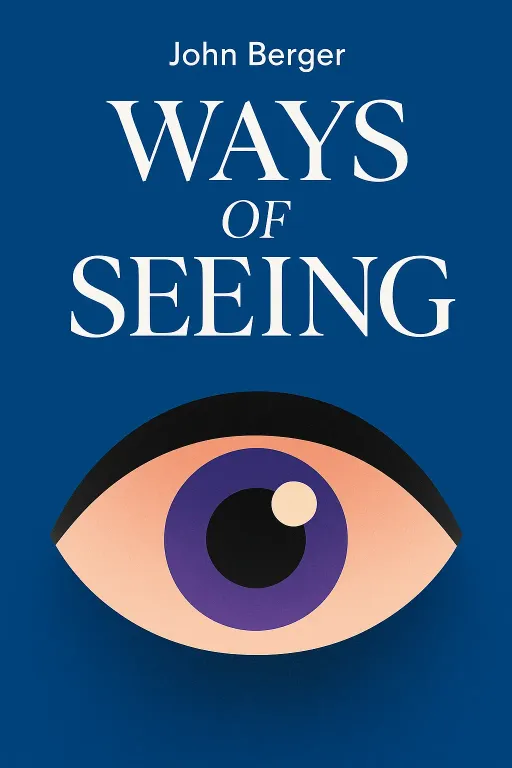
Nova: Much bigger. And today, we're diving into two foundational texts that utterly revolutionize how we perceive these things. We're talking about John Berger's seminal work,, and E. H. Gombrich's sweeping masterpiece,.
Atlas: Ah, Berger! I've heard that name. Wasn't originally a TV show?
Nova: Exactly! That’s what makes Berger’s work so revolutionary. It wasn't just a book; it was a groundbreaking BBC television series first. It completely democratized art criticism, taking complex ideas about imagery, ownership, and power out of the academic ivory tower and bringing them directly into people's living rooms. This dual format, academic rigor meeting popular media, is a crucial part of its enduring legacy. It really made these profound insights accessible to a mass audience.
Atlas: That’s a powerful origin story. So, these aren't just art history books, then. They’re more like… manuals for seeing the world differently.
Nova: Precisely. And that's where we start today, Atlas. With what I call 'The Blind Spot.'
The Blind Spot – Unseen Power Dynamics in Art and Culture
SECTION
Nova: Most of us, myself included for a long time, look at art or any cultural phenomenon with what I’d call a superficial glance. We see the surface, the aesthetic, the immediate story. But underneath, there are layers of meaning, power dynamics, and historical narratives that we completely miss. It’s a blind spot.
Atlas: I can definitely relate to that. As someone who's always looking for patterns and trying to build ecosystems, I know how easy it is to miss the subtle influences, especially when you're caught up in the day-to-day. So, how does Berger help us understand this blind spot?
Nova: Berger illustrates this brilliantly, particularly when he discusses the depiction of women in European art history. He points out that the way female nudes are often presented isn't neutral. They are frequently painted a male gaze, embodying a specific power dynamic, even if we, as viewers, don't consciously recognize it.
Atlas: Wait, so you’re saying it’s not just about appreciating the beauty of the form? There’s a whole other layer there?
Nova: Absolutely. Think about it: the pose, the setting, the relationship between the figure and the viewer. Berger meticulously unpacks how these elements communicate a historical narrative of ownership and objectification. The cause, he argues, is rooted in historical patronage and social structures. The process was the artistic convention that followed, and the outcome is this embedded objectification in what we might otherwise see as simply 'art.' It's not about individual intention, but a systemic way of seeing that has been perpetuated for centuries.
Atlas: That’s actually really insightful. I’m thinking about how that applies to modern media. Like, if you look at certain advertising today, especially in fashion or luxury goods, you can still see echoes of that same dynamic, even if it's dressed up differently. It's subtly communicating a message about who has power, who is desired, and who is consuming.
Nova: Exactly! It's everywhere once you start to look. This isn't about blaming individual artists or viewers, but about recognizing the invisible architecture of power that shapes how we perceive and are perceived. It transforms how you understand the world, shifting you from a passive consumer of images to an active interpreter.
The Shift – From Passive Observation to Active Interpretation
SECTION
Nova: And that naturally leads us to the second key idea we need to talk about: how we make that crucial shift from a passive observer, caught in that blind spot, to an active, strategic interpreter. This is where Berger and Gombrich, in their unique ways, give us the tools.
Atlas: Okay, so how do we actually this? How do we put on these special glasses and start seeing these hidden patterns, especially for those of us who are trying to build things or understand cultural trends?
Nova: Berger, in, is all about deconstruction. He teaches us that images are not neutral; they carry power, history, and social meaning. He encourages us to question an image was made, it was made for, and it wants us to believe. It’s like being given an X-ray vision for the subtle influences shaping our collective understanding. For example, he breaks down how even a seemingly straightforward landscape painting can subtly assert ownership or power over the land depicted.
Atlas: That makes sense. It’s about not taking anything at face value, right? It’s almost like trying to reverse-engineer a strategy.
Nova: Precisely! And then you have Gombrich, in, who offers this sweeping narrative of art history. He reveals how art evolves, reflecting and influencing human culture across centuries. Gombrich shows us that art isn't just a collection of masterpieces; it's a living dialogue with its time. He gives us the context, the story of and art changes, which is vital for understanding its deeper meanings.
Atlas: So, Berger helps us dissect the image, and Gombrich helps us understand the timeline and the cultural conversation around it. That’s a powerful combination. It’s like learning a new language, but instead of words, it’s the language of visual and cultural communication.
Nova: That’s a perfect analogy, Atlas. It's about developing a 'masterful eye'—an eye trained to see patterns beyond the obvious. It’s the difference between looking at a blueprint and truly understanding the structural engineering beneath it. This shift empowers you to decode subtle influences, to understand the strategic narratives being communicated, whether it's in a classic painting or a modern marketing campaign. It’s about moving from simply consuming culture to actively interpreting and even shaping it.
Synthesis & Takeaways
SECTION
Nova: Ultimately, what both Berger and Gombrich teach us, in their distinct yet complementary ways, is that true understanding comes from active engagement, not passive reception. It’s about peeling back the layers, questioning the obvious, and recognizing that every image, every cultural trend, every piece of art, is a conversation embedded in history and power. They empower us to become not just viewers, but true decoders of the world around us.
Atlas: That’s a really hopeful way to look at it, Nova. It’s about building a deeper connection with the world, uncovering those hidden patterns that truly drive impact. It’s about moving from just building products to building understanding within ecosystems.
Nova: Exactly. It's about recognizing the invisible architecture of culture, and then, for those of us who are strategic builders and culture architects, it's about using that insight to build something better, more intentional, and more impactful.
Atlas: So, the next time you scroll through your feed or walk past a billboard, what hidden power dynamics or historical narratives might it be subtly communicating to?
Nova: This is Aibrary. Congratulations on your growth!