The Power of Habit: Engineering Autopilot for Lasting Impact
Golden Hook & Introduction
SECTION
Nova: You know, Atlas, we often talk about control. We feel like we're in control of our choices, our days, our destinies. But what if I told you that a significant chunk of your daily life, maybe even most of it, is actually running on an invisible autopilot, a system you barely even notice?
Atlas: Oh, I know that feeling. It's like my morning coffee ritual. I don't decide to make it; my body just... starts moving towards the kitchen. It's a bit eerie, actually. So, if you had to sum up this invisible autopilot, this 'habit,' in just five words, what would they be?
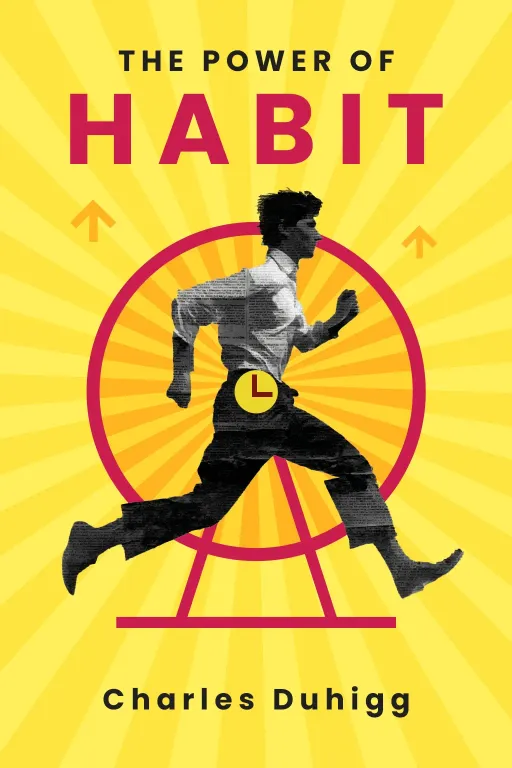
Nova: Five words for habit? Hmm. "Unseen forces shape your future." How about that? It sounds a bit dramatic, but it's incredibly accurate. And that's exactly what we're dissecting today, drawing from two titans in the field: Charles Duhigg's critically acclaimed "The Power of Habit" and James Clear's systematic, modern classic, "Atomic Habits."
Atlas: Both books are phenomenal. Duhigg, with his background as an investigative journalist, really peeled back the layers of the science, showing us the hidden mechanisms with incredible stories. And Clear? He gave us the practical playbook for actually something about it. It’s like the perfect one-two punch for anyone looking to build robust systems in their life or work.
Nova: Absolutely. Duhigg's book, lauded for its scientific depth and compelling narratives, truly became a foundational text for understanding the 'why' behind our actions. Clear then built on that, providing a highly actionable framework that has resonated with millions, offering a clear path to intentional change. Today, we're taking the best from both to understand how to move from being passively governed by habits to actively engineering them for lasting impact.
The Unseen Engine: Deconstructing the Habit Loop
SECTION
Atlas: So, let's start with Duhigg, because you can't really engineer something until you understand its engine. What's the core mechanism he uncovered, this invisible autopilot you mentioned?
Nova: It’s what he calls the "habit loop": a neurological feedback loop consisting of a, a, and a. This isn't just theory; it's how our brains efficiently automate behaviors. The cue is the trigger that tells your brain to go into automatic mode and which habit to use. The routine is the behavior itself, whether physical, mental, or emotional. And the reward is what helps your brain figure out if this loop is worth remembering for the future.
Atlas: That makes me wonder, how does this loop actually manifest in our daily lives, especially for someone trying to build consistent systems, or lead a team that needs to be more productive? It sounds simple, but I imagine it's incredibly powerful.
Nova: It is deceptively simple, and incredibly powerful. Think about the story Duhigg shares about Febreze, the air freshener from Procter & Gamble. When it first launched, it was a flop. People weren't buying it. P&G had designed it to eliminate odors, but found that people who lived in smelly homes often didn't even notice the bad smells anymore. There was no for them to use Febreze.
Atlas: Oh, I love that. So, the product was solving a problem people weren't even aware they had. No cue, no habit.
Nova: Exactly! But then P&G stumbled upon something. They found that people who were meticulously cleaning their homes they had finished scrubbing, vacuuming, and tidying up, would then spray Febreze as a final touch. The cue wasn’t the bad smell; the cue was the. The routine was spraying Febreze. And the reward? The fresh, clean scent provided a psychological "finish line," a feeling of accomplishment and a pleasant smell that signaled their hard work was done.
Atlas: That's fascinating! So, the same product, but a completely different cue and reward structure unlocked its potential. It wasn't about eliminating odors, it was about celebrating cleanliness. But wait, isn't identifying these components incredibly difficult when you're caught in the routine? How do we even the cue if it's so automatic?
Nova: That's the million-dollar question, and it's where the power lies. The key is mindful observation. Most of our habits are subconscious. We have to become detectives of our own behavior. When you find yourself doing something automatically, pause. What happened right before? What are you actually doing? And what feeling or outcome are you getting from it? It takes deliberate effort to bring those unconscious loops into conscious awareness. That's the first step to gaining control.
Atlas: So, it’s about slow-motion replay of our own lives. If you want to change a habit, you need to understand the trigger that sets it off, the action it leads to, and what satisfaction you're getting from it, even if that satisfaction is fleeting or detrimental in the long run.
Nova: Precisely. Once you identify that loop, you have leverage. You can keep the cue, keep the reward, but change the routine. It’s like a pivot point in a system you're designing. You're not trying to destroy the system; you're just redirecting its energy.
Architecting Autopilot: Engineering Sustainable Habits
SECTION
Atlas: Understanding the loop is one thing, but how do we new, robust systems for behavior? What's the architect's playbook for creating habits that stick and contribute to lasting value, rather than just fleeting resolutions?
Nova: That’s where James Clear’s "Atomic Habits" brilliantly picks up the baton. He distilled habit formation into four simple, yet incredibly powerful, laws of behavior change: Make it, make it, make it, and make it. These aren't just tips; they're design principles for your life's operating system.
Atlas: Okay, so "obvious, attractive, easy, satisfying." Let's break those down. For someone trying to cultivate a new beneficial habit, say, consistent reflective journaling for founder well-being, how would they apply all four laws systematically? Because that's a habit many people but struggle to maintain.
Nova: Excellent example, Atlas. Let’s walk through it. First,. This means physically placing your journal and a pen on your pillow, or right next to your coffee maker. The cue is literally staring you in the face. It’s about environment design. If it's out of sight, it's out of mind.
Atlas: So, no more "I'll journal later" because "later" never happens. The journal is right there, impossible to ignore. Got it.
Nova: Next,. This is about associating the habit with something positive. Maybe you only use a special, luxurious pen for journaling. Or you pair it with a beloved ritual, like your first sip of coffee. You could even think about the future-self who benefits from this journaling – the clearer thinking, the reduced stress. Make that future self attractive.
Atlas: That’s smart. It’s not just about the act; it’s about the feeling or identity associated with the act. Like, I’m not just journaling, I’m a thoughtful, self-aware leader.
Nova: Exactly. Third,. This is crucial for consistency. Don't aim for an hour of journaling if you're just starting. Aim for two sentences. Or one minute. Reduce the friction. The goal is to show up, not to achieve perfection. The success metric is, not how well you do it.
Atlas: Right, like the "tiny step" we often talk about. Two sentences of journaling is so easy, it feels almost silly to do it.
Nova: And finally,. This closes the loop. After you write those two sentences, give yourself an immediate, small reward. It could be a mental pat on the back, a sip of that delicious coffee, or even a checkmark on a habit tracker that gives you a visual streak. Your brain needs to register that this was a good experience so it wants to repeat it.
Atlas: That's a powerful framework. But what's the biggest mistake people make when trying to engineer these "atomic habits"? Is it just about willpower? Because that feels like a finite resource, especially for busy individuals.
Nova: That's a critical point. The biggest mistake is often relying solely on willpower. Willpower is like a muscle; it fatigues. Clear argues, and Duhigg's research supports, that environment design and making the habit are far more powerful. It’s not about "I want to journal," it's about "I am a person who journals." When your actions align with your identity, the resistance melts away. You're not fighting yourself; you're simply being yourself.
Atlas: That makes me wonder, so it’s not just about the action, but about the system you build around it. You're not just doing a task; you're embodying a new way of being. That’s how you build robust, sustainable systems, not just temporary fixes.
Synthesis & Takeaways
SECTION
Nova: Absolutely. What we've discussed today, pulling from Duhigg and Clear, is about understanding the profound yet often invisible architecture of our daily lives. First, deconstructing the habit loop—the cue, routine, reward—gives us the diagnostic tools to see what's truly driving our behaviors. Then, Clear's four laws—make it obvious, attractive, easy, and satisfying—provide the engineering blueprint to build new, positive habits.
Atlas: So, it's not just about doing things, it's about the doing. It's about becoming the architect of your own autopilot, ensuring your efforts are sustained and effective, building systems that contribute to lasting value and growth. It's about intentional cultivation, not just accidental growth.
Nova: And the beauty of "atomic habits" is the compounding effect. Those tiny, seemingly insignificant changes, when consistently applied, create exponential growth over time. It’s the ultimate lesson in sustainable progress. You're not waiting for massive shifts; you're building them, brick by atomic brick.
Atlas: That’s actually really inspiring. So, for our listeners, the tiny step this week isn't about overhauling everything. It’s about picking one small habit you want to build. Design a clear cue for it, make it incredibly easy, and figure out a small, satisfying reward. Don't just try to do it; it.
Nova: Exactly. Observe, design, refine. That’s the path to truly engineering autopilot for lasting impact.
Atlas: What a powerful way to frame personal and professional growth.
Nova: This is Aibrary. Congratulations on your growth!