The Overwhelm Trap: Why You Need Mindful Leadership in Your Home
Golden Hook & Introduction
SECTION
Nova: The biggest lie you’ve been told about feeling overwhelmed? It’s your fault.
Atlas: Whoa, hold on. That’s a bold statement, Nova. Because honestly, for anyone juggling a demanding life, it often feels like our fault. Like we’re just not organized enough, or disciplined enough to keep all the plates spinning.
Nova: And that, Atlas, is precisely the trap. That feeling of overwhelm, that constant battle against demands pulling you in a million directions, it’s not a personal failing. It’s actually a profound call for a strategic shift in how you lead your household, and more importantly, yourself. Today, we’re unpacking this with insights from two incredible books: 'Mindful Parenting' by the neuroscientist Kristen Race, and 'The Power of Habit' by Pulitzer-winning investigative reporter Charles Duhigg. Race brings a brain-science grounded approach to presence, while Duhigg masterfully dissects how our daily routines are built. Together, they offer a powerful antidote to that feeling of being constantly behind.
Atlas: That makes perfect sense! I imagine a lot of our listeners, those natural orchestrators who navigate daily demands, they’re probably nodding right now, thinking, "Yes, but how?" How do we make that strategic shift when the chaos feels so inherent?
The Overwhelm Trap: Identifying the Illusion of Personal Failing
SECTION
Nova: Exactly. Let's really drill down on that 'cold fact.' The core insight here is that managing daily life as a nurturing strategist often feels like a constant battle against overwhelm. You aim for calm, but the demands pull you in every direction. The crucial reframe is that this isn't a flaw in. It’s a systemic issue, a sign that your current strategy for handling life's symphony needs a new score.
Atlas: Okay, so it’s not about me being a bad conductor, but about the sheet music being… incomplete? Or maybe even nonexistent? I imagine a lot of our listeners, the serene leaders out there, they’re seeking calm amidst the chaos, but they probably blame themselves when it doesn’t materialize.
Nova: Precisely. And Kristen Race, in 'Mindful Parenting,' she argues that mindfulness isn't just some abstract meditation practice you do in a quiet room, far away from the chaos. It's a deeply practical tool. It’s about reducing stress and, crucially, improving family dynamics by creating more responsive relationships. She shows how small, intentional pauses can radically shift the entire atmosphere.
Atlas: Small, intentional pauses? That sounds almost… too simple for the level of complexity many of our listeners face. Can you give me an example? Because for someone dealing with, say, a child having a full-blown meltdown during the evening rush, 'pausing' might feel like a luxury they absolutely don’t have.
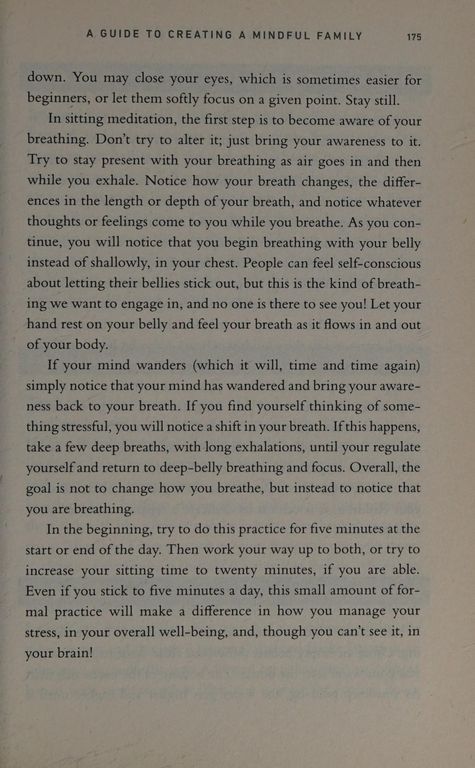
Nova: That’s a perfect scenario to illustrate it. Imagine that parent, right in the thick of it, feeling their own stress rising. Instead of immediately reacting with a shout or a frustrated demand, Race suggests a conscious, almost imperceptible pause. It might be taking three deep breaths, observing the tightness in your own chest, noticing the sounds, the sights, without judgment, for just a few seconds. It’s not about ignoring the child; it’s about responding from a place of calm, rather than reactivity.
Atlas: So, that slight delay, that tiny window, it creates enough space for a different kind of response? Not the automatic, stress-fueled one, but something more deliberate and, dare I say, more mindful? That’s going to resonate with anyone who struggles with feeling like they’re constantly just reacting to whatever comes next.
Nova: Absolutely. It’s a shift from reactive chaos to proactive calm. That small pause allows you to choose your response, rather than being hijacked by the moment. And that choice, that moment of presence, is where true mindful leadership begins, even in the most demanding environments. It’s about cultivating that inner calm, finding peace in the everyday, which is a key destination for the empowered seeker.
Mindful Leadership: Practical Strategies from 'Mindful Parenting' and 'The Power of Habit'
SECTION
Nova: And those intentional pauses, that mindful awareness, they beautifully set the stage for our second core idea: consciously building habits that support well-being, as Charles Duhigg illuminates in 'The Power of Habit.' He reveals how understanding habit loops can transform daily routines from sources of stress into sources of calm.
Atlas: Okay, so we’re talking about taking that mindful awareness we just discussed and essentially baking it into our daily lives through habits? That’s an interesting connection, because often, habits feel like autopilot, not something you actively design.
Nova: Precisely. Duhigg breaks down habits into three parts: the cue, the routine, and the reward. The cue triggers the routine, and the routine delivers the reward. So, instead of a chaotic morning where the cue is your alarm and the routine is immediately grabbing your phone and getting sucked into emails, you can consciously design a new routine. The cue remains the alarm, but the new routine could be a two-minute mindful stretching session, or a moment of quiet reflection, and the reward is that feeling of starting your day centered and calm.
Atlas: That sounds great in theory, but for someone who’s already orchestrating a complex daily life, where do you even building a new habit when you feel like you have no time? I imagine a lot of our listeners are already managing complexity and thinking, "One more thing to add to my to-do list?"
Nova: That's where the 'Tiny Step' comes in, and it’s beautifully simple. Tomorrow, choose just one routine moment. It could be mealtime, bedtime, or even your commute. And during that moment, practice being fully present. Notice the sights, sounds, feelings, without judgment. That routine moment itself becomes your cue for this new mindful habit.
Atlas: So, for mealtime, instead of scrolling through my phone or rushing to the next task, the cue is literally sitting down to eat, and the new routine is just… being present with the food, the people, the moment? And the reward is that deeper connection, that sense of calm?
Nova: Exactly. Consider a family I know where dinner was a constant source of stress. The cue was everyone sitting at the table. The old routine was a flurry of complaints, devices out, and a general rush. Inspired by these ideas, they decided to consciously change the routine. Before anyone ate, they’d take a collective breath, and each family member would share one thing they were grateful for from their day. Devices were banned. The reward? Not just calmer mealtimes, but a palpable shift in family connection, genuine conversation, and a sense of shared presence. This small, mindful habit, built incrementally, transformed a daily battleground into a haven.
Atlas: Wow, that’s actually really inspiring. It’s not just about getting through the day, it's about actually those moments. It makes me wonder how many other moments we let slip by un-mindfully that could be transformed into sources of calm and connection.
Synthesis & Takeaways
SECTION
Nova: That’s the profound insight, isn’t it? Mindful leadership in your home isn't about adding more tasks to an already overflowing plate. It’s about transforming the existing moments, shifting from reactive chaos to intentional presence. It's about empowering yourself to design calm, rather than just hoping it appears.
Atlas: So, it’s really about giving ourselves permission to pause and strategically build the calm we crave, knowing that’s a form of powerful leadership—not just for ourselves, but for our entire family. It’s about recognizing that our strength as orchestrators, as nurturing strategists, comes from being grounded and present.
Nova: Absolutely. And your tiny step for tomorrow? Choose one routine moment – like mealtime or bedtime – and practice being fully present, noticing sights, sounds, and feelings without judgment. Just that one moment.
Atlas: And really notice how that small act of presence feels. Because that feeling is your reward, and the foundation for building a calmer, more present life.
Nova: This is Aibrary. Congratulations on your growth!