Stop Fearing Awkward Silences, Start Building Real Bridges: The Art of Connection.
Golden Hook & Introduction
SECTION
Nova: Alright, Atlas, five words. Describe the feeling of walking into a room full of strangers.
Atlas: Oh man. Uh, 'Social-awkward-butterflies-please-save-me.' Is that five?
Nova: Close enough! And that, my friend, is exactly what we’re tackling today. That universal, slightly panicked feeling that can turn potential connection into a high-stakes performance.
Atlas: Wow, that’s so real. I imagine a lot of our listeners, especially those navigating new environments or cultures, feel that pressure. You want to connect, but there’s this invisible barrier.
Nova: Exactly. And that barrier is what we're here to dismantle. Today, we're diving deep into the art of connection, drawing wisdom from two incredible thinkers. We're looking at how to stop fearing those awkward silences and start building genuine bridges.
Atlas: Bridges. I like that. So, what's our blueprint for bridge-building today?
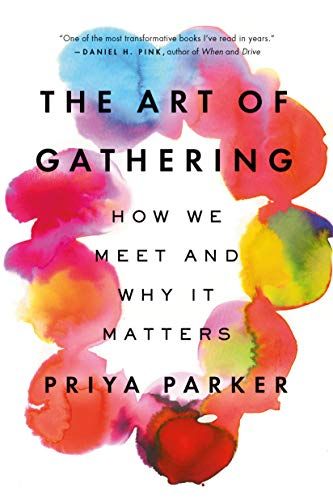
Nova: Our core insights come from Priya Parker’s "The Art of Gathering" and Charles Duhigg’s "The Power of Habit." Parker, with her fascinating background as a conflict resolution facilitator for everyone from families to political groups, brings a unique lens to structuring interactions. And Duhigg, a Pulitzer-winning journalist, has this incredible knack for making complex behavioral science incredibly accessible. They offer powerful, yet distinct, pathways to deeper connection.
Atlas: That’s a powerful combination. It sounds like we’re getting both the 'why' and the 'how.'
Nova: Precisely. Today we'll dive deep into this from two perspectives. First, we'll explore the intentional design of social interactions, then we'll discuss how the power of habit can make these new ways of connecting feel natural and effortless.
The Intentional Design of Connection: Lessons from Priya Parker
SECTION
Nova: So, let's start with Priya Parker and "The Art of Gathering." Her central argument is revolutionary in its simplicity: most of us approach gatherings—whether it’s a dinner party, a work meeting, or a casual get-together—like they’re going to magically be good. We hope for connection, but we rarely for it.
Atlas: I can definitely relate to that. You just assume if you get good people in a room, good things will happen. But sometimes it just... doesn't. And then you're left with that awkward silence you mentioned.
Nova: That’s the crux of it. Parker says it’s not about being an extrovert, or having perfect social skills. It's about clarifying the of the gathering. Before you even invite someone, before you choose a venue, you ask: "What is the true purpose of this interaction? What do I want to achieve, or what do I want the people involved to experience?"
Atlas: Okay, so when you say 'purpose,' what does that actually look like in practice for, say, someone trying to make new friends in a new city? It feels counterintuitive to spontaneity, doesn't it?
Nova: That’s a brilliant point, Atlas, and it’s where Parker shines. It’s not about scripting every word. It's about setting a clear intention. For instance, instead of just saying, "Let's grab coffee," which is vague, you might say, "I'd love to grab coffee to hear about your experience moving here, because I'm also new and navigating similar challenges."
Atlas: Oh, I like that. It immediately shifts from generic small talk to something with a bit more depth. It gives the other person a clear 'why' to engage.
Nova: Exactly! Parker illustrates this beautifully with a case study of a community meeting that was consistently tense and unproductive. People left feeling frustrated. The facilitator, using Parker's principles, realized the purpose was to "discuss community issues," but the purpose was often to "vent frustrations" or "feel heard."
Atlas: So the actual purpose wasn't aligning with the design of the meeting.
Nova: Precisely. By intentionally redesigning the meeting to first create a space for people to —even if it meant just listening to their frustrations without immediately problem-solving—the dynamic completely shifted. People felt respected, and then they were actually able to move on to productive discussion. The awkward, angry silences dissolved because the true purpose was acknowledged and designed for.
Atlas: Wow, that’s actually really inspiring. So, for our listener who’s feeling cautious, who doesn't just want friends but genuine connection, this means asking themselves: "What's the of this conversation I'm about to initiate? What do I genuinely want to learn or share?"
Nova: You've got it. It's about moving beyond superficial 'performances' and into interactions with inherent meaning. The Tiny Step from our content today—"Next time you're in a new social setting, identify one specific person and initiate a conversation with a genuine question about their experience, rather than just small talk"—is Parker’s principle in action. That genuine question the purpose. It’s an invitation to a deeper interaction, not just a time filler.
Harnessing Habit for Social Grace: Insights from Charles Duhigg
SECTION
Nova: Now, once we understand the of our interactions, how do we make those intentional actions second nature? That's where Charles Duhigg steps in with "The Power of Habit." He reveals how habits shape our lives through what he calls the 'habit loop': cue, routine, reward.
Atlas: Okay, so how does the science of habit formation relate to initiating conversations and building connections, especially when that first step feels so uncomfortable? What if it's still awkward?
Nova: That's the beauty of Duhigg's work. He shows us that even complex behaviors, like social interaction, can be broken down and rewired. Let's apply his habit loop to our Tiny Step. The could be walking into any new social setting.
Atlas: Right, that immediate feeling of "oh, here we go again." The internal alarm bell.
Nova: Exactly. The then becomes that intentional action: identifying one person and asking a genuine question about their experience. And the isn’t necessarily an instant best friend, but the feeling of having, the satisfaction of stepping outside your comfort zone, or even just learning something new about someone.
Atlas: That’s a great way to put it. Because for someone who's cautious, driven by belonging but also by a need for acceptance, the 'reward' can't be so high-stakes that it discourages action if the first attempt isn't perfect.
Nova: Absolutely. Duhigg's point is that the reward reinforces the routine. If the reward is simply the of initiating and the small insight gained, rather than a grand outcome, it becomes easier to repeat. Think of the shy person who wants to be more outgoing. They start small: saying hello to a barista, then asking a colleague about their weekend, then initiating a genuine question in a new group. Each small success, each small connection made, however brief, becomes the reward. It strengthens the neural pathway for that new routine.
Atlas: So, it's like learning to ride a bike. You don't just jump on and win the Tour de France. You start with training wheels, then wobbly rides, then eventually it becomes automatic. The reward is the small victory of staying upright, then going a little further.
Nova: That’s a perfect analogy! And over time, as Duhigg explains, that routine becomes less effortful. It moves from something you consciously to something you almost unconsciously. You become the person who naturally asks genuine questions, because you've built that habit. This is how you transform that initial discomfort into social grace, making those deeper connections less effortful over time. It’s about cultivating "conversational fluency" through consistent, tiny steps.
Synthesis & Takeaways
SECTION
Nova: So, bringing it all together: Parker teaches us to be intentional about the of our interactions, ensuring they have meaning from the start. And Duhigg gives us the roadmap to make those intentional, meaningful interactions a natural, sustainable.
Atlas: That really makes sense. It’s not about being someone you’re not. It’s about thoughtfully structuring your approach and then systematically building the muscle for it. It's about making connection less of a performance and more of a practice.
Nova: Exactly! True connection isn’t about being the loudest voice in the room or the most charismatic extrovert. It’s about thoughtful design and consistent, small actions. Imagine building a bridge, plank by plank. Each intentional question, each genuine inquiry, is another plank. And with each one, the fear of falling diminishes, and the path to genuine belonging becomes clearer and more stable.
Atlas: That’s such a hopeful way to look at it, especially for someone who values genuine connection and belonging. It means that even the cautious approach can lead to profound results. So, for our listeners out there, what’s one final thought you’d leave them with today, as they think about building their own bridges?
Nova: I’d say this: your voice holds value. Your experiences are unique. Others want to hear them. So, start small. One new conversation a week, even a simple 'hello' with genuine curiosity. Be kind to yourself. This journey takes time, but every small step builds a stronger bridge.
Atlas: That’s a powerful call to action. What genuine question will ask today? We'd love to hear your experiences and how you're building bridges in your own life. Share your stories with us.
Nova: This is Aibrary. Congratulations on your growth!