The Burden of Knowing: How to Navigate Information Overload with Grace.
Golden Hook & Introduction
SECTION
Nova: POV: You're scrolling through endless feeds, trying to keep up with AI news, and suddenly, you feel this dull ache behind your eyes. If this episode found you, it's probably because your brain is trying to tell you something.
Atlas: Oh, I know that feeling! That dull ache is my brain’s polite way of saying, "Please, for the love of all that is digital, just… stop." What is that, Nova? Is it just me, or is the entire world experiencing some kind of collective information hangover?
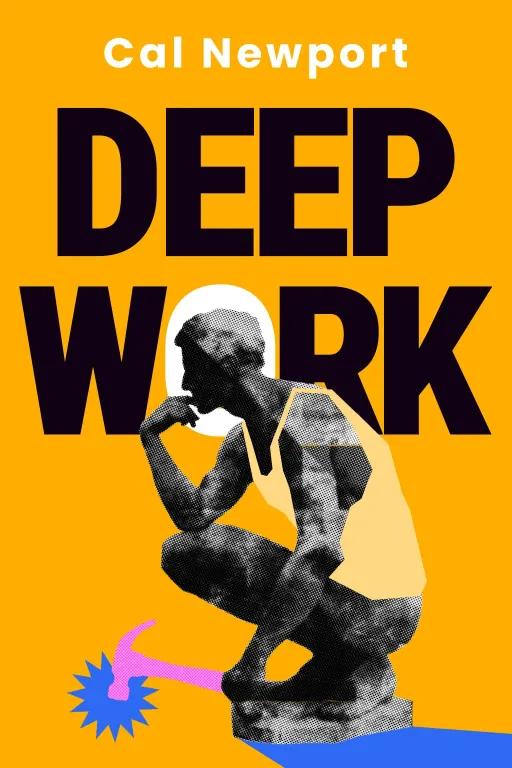
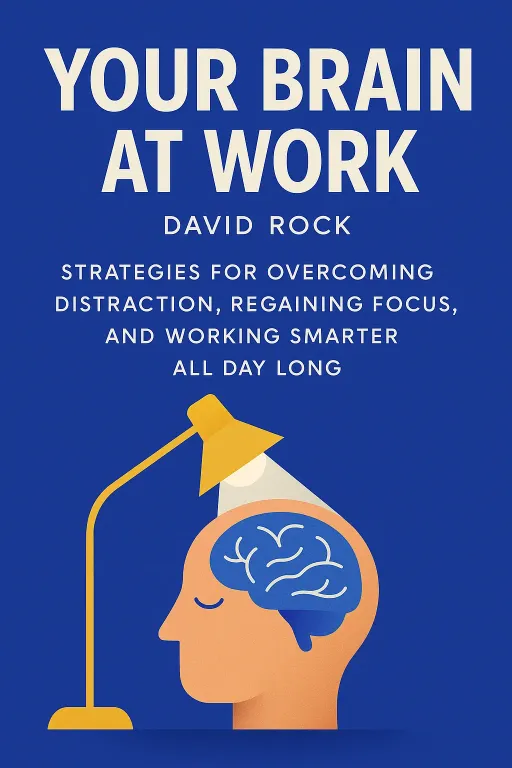
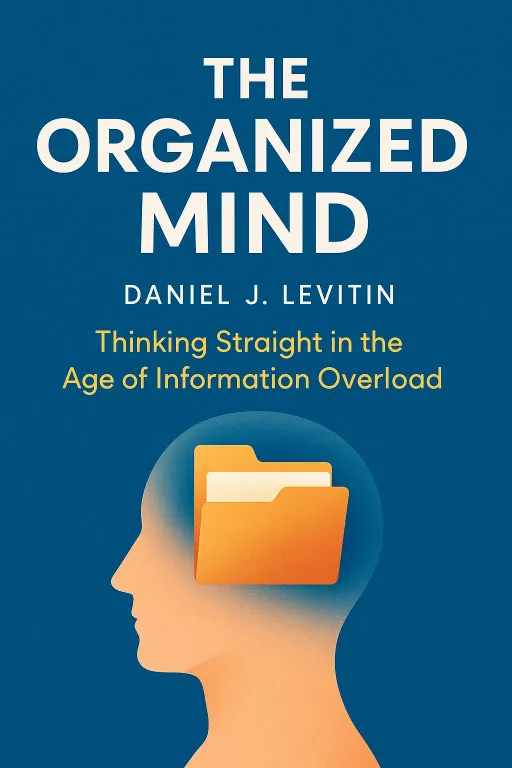
Nova: Absolutely not just you, Atlas. That's what we're calling "The Burden of Knowing." It's not a book you can pick up off a shelf, but a critical lens for understanding our modern dilemma. We're talking about the relentless, overwhelming flood of information, particularly amplified by the AI era, that leaves us feeling swamped, struggling to find what truly matters. We're drawing on foundational ideas from brilliant minds like Daniel J. Levitin, a neuroscientist who brings a rigorous scientific lens to how our brains actually process information, and Cal Newport, a computer science professor who argues passionately for focused work in an increasingly distracted world.
Atlas: That makes sense. It feels like everyone I know, especially those trying to understand and shape their future in this AI wave, is looking for clarity. It’s like we’re all standing knee-deep in a river of data, and we just want to find steady ground. So, today we'll dive deep into this from two perspectives. First, we'll explore the overwhelming reality of information overload in our AI-driven world. Then, we'll discuss powerful, actionable strategies to cut through the noise and cultivate the mental space for truly impactful work.
The Inevitable Overload: Understanding the AI-Driven Information Deluge
SECTION
Nova: Exactly. Let's start with the sheer scale of it. Imagine trying to drink from a firehose, right? That’s what our daily information intake feels like. Every email, every notification, every news alert, every AI update – it’s a constant deluge. And AI isn’t just adding to the quantity; it’s personalizing the deluge, making it harder to escape. Algorithms are designed to keep us engaged, constantly feeding us more, more, more.
Atlas: But wait, isn't more information supposed to be good? Isn't this what we wanted? The promise of the internet was access to everything! It sounds a bit counterintuitive to call this a "burden."
Nova: That’s a great question, Atlas. The problem isn’t the information itself; it’s our brain’s capacity to process it. Daniel Levitin, in "The Organized Mind," explains that our brains are incredibly powerful, but they’re also designed for a different era. Our working memory, for instance, has a very limited capacity. When we’re constantly switching tasks – checking an email, then a Slack message, then back to a report – we’re eroding our executive function. Each switch incurs a "cognitive switching cost," making us less efficient and more prone to errors. It’s like having too many tabs open on your computer, but the computer is your brain.
Atlas: Oh man, that's a perfect analogy. My browser often looks like a digital hoarder's paradise. So, what does this cognitive load actually like in a real person’s day? Can you give us an example?
Nova: Let's take Sarah, a tech lead we know. She's brilliant, constantly trying to stay ahead of the curve with the latest AI developments. Her day starts with scanning industry newsletters, then a flurry of team messages, a virtual meeting, then she tries to tackle a complex coding problem. Mid-flow, her phone buzzes with a news alert about a new AI model. She glances at it, then an email comes in requiring immediate attention. By lunchtime, she’s made little progress on her core project, feels perpetually behind, and has this nagging sense of anxiety. She's working hard, but the quality of her output is suffering, and she’s constantly drained. The cause is clear: context switching and constant input. The process is a fragmented workday. The outcome? Decision fatigue, stress, and feeling less effective despite putting in the hours.
Atlas: I imagine a lot of our listeners, especially those trying to shape their future in AI and stay relevant, feel this exact pressure. It's like working harder just to stay in the same place, or even falling behind. That’s going to resonate with anyone who struggles with feeling like they’re always playing catch-up. So, this 'mental clutter' isn't just a feeling; it has real, tangible consequences.
Strategic Sanity: Cultivating Mental Space for Deep Work
SECTION
Nova: Absolutely. And that naturally leads us to the second key idea we need to talk about, which offers a powerful counterpoint to this overload. If our brains aren't built for this digital firehose, what can we? This is where the wisdom of people like Levitin and Newport becomes not just interesting, but absolutely essential. It’s about being proactive, not just reactive, in managing our information landscape.
Atlas: What exactly do you mean by 'proactive'? Isn't it just about turning off notifications? I mean, that's a start, but for our listeners who are trying to integrate AI tools and grow sustainably, they need more than just a digital detox. They need grounded, actionable steps.
Nova: You're right, it's more than just turning off your phone. Levitin champions the idea of information. Your brain isn't for information; it's for it. So, write things down, maintain reliable to-do lists, use a consistent filing system, whether digital or physical. This frees up your working memory for higher-level thinking. Then, you layer on Cal Newport's concept of "Deep Work." He defines it as professional activities performed in a state of distraction-free concentration that push your cognitive capabilities to their limit. These efforts create new value, improve your skill, and are hard to replicate.
Atlas: So you're saying I should become a human filing cabinet and then just lock myself in a room? That sounds a bit out there for someone managing a busy team. How does this actually work in practice? Can you give an example of someone doing this well?
Nova: Let's look at Mark, a focused innovator we know. Unlike Sarah, Mark recognized the burden. He understood that his best work happened when he wasn't constantly interrupted. So, he implemented a ritual. Every morning, for 90 minutes, he dedicates himself to a single, complex AI problem. His phone is on silent, face down, in another room. His email is closed. He has a specific workspace, perhaps a corner of his home office, that signals "deep work" time. He pre-plans the task the night before, so there's no decision-making friction. The results? He consistently makes breakthroughs, his code is cleaner, and he feels a deep sense of accomplishment. He’s not working hours; he’s getting done in those focused hours. The cause was deliberate choice and discipline. The process was ritualized, distraction-free concentration. The outcome was higher quality output and a sense of purpose.
Atlas: But wait, for our listeners in fast-paced environments, dedicating 90 minutes of 'deep work' sounds like a luxury. How do you carve out that space when you're constantly pulled in a hundred directions, trying to future-proof your career and integrate new AI tools? That's going to be a challenge for many.
Nova: That’s a really fair point, Atlas. It's important to understand that deep work isn't about finding time; it's about and existing time. It’s about quality over quantity of attention. You don’t have to start with 90 minutes. Levitin suggests simply dedicating 15 minutes today to a single, focused task without any digital distractions. Just notice the difference. It’s about building that "deep work" muscle, gradually. It's a skill, not an innate talent. For our listeners focused on sustainable growth, this is how you build resilience – not by doing more, but by doing.
Synthesis & Takeaways
SECTION
Nova: So, what we've really explored today is that the burden of knowing in the AI era isn't about avoiding information, but about cultivating a strategic relationship with it. Understanding the cognitive toll of constant overload is the first step. The second is actively implementing strategies—like externalizing information and practicing deep work—to reclaim your mental space and focus. It’s about evolving our human operating system to thrive in a world that’s constantly trying to overwhelm it.
Atlas: That’s a great way to put it. It's not about fighting the information wave, but learning to surf it with intention, creating mental boundaries for what truly matters. So, if there's one thing our listeners should take away and implement today, what would it be? For those resilient strategists and practical innovators out there, what’s their first step towards this strategic sanity?
Nova: It’s simple, and it comes directly from the insights we've discussed: Dedicate just 15 minutes today to a single, focused task without any digital distractions. Just 15 minutes. Notice the difference in your concentration, the quality of your output, and even your sense of calm. It’s a powerful micro-healing moment that can kickstart a profound shift.
Atlas: I love that. It’s a small, consistent block of time that builds resilience and purpose. It’s about shaping your future, one focused moment at a time. This isn't just about productivity; it's about mental well-being and finding clarity in a chaotic world. I encourage all our listeners to give that 15-minute challenge a try. Share your experiences with us on social media – we’d love to hear how it shifts your day.
Nova: Absolutely. Your journey towards a more organized mind and deeper work starts with that one deliberate choice.
Atlas: This is Aibrary. Congratulations on your growth!