Stop Guessing, Start Building: The Blueprint for App Success.
Golden Hook & Introduction
SECTION
Nova: Here's a thought that might just flip your app development strategy on its head: what if the biggest mistake you can make isn't failing to launch, but succeeding in building the thing?
Atlas: Whoa, that's a gut punch for anyone with a big idea brewing. Because as visionaries, we often think, "If I just build this incredible, perfect thing, people will naturally flock to it." But you're suggesting that perfection might actually be the enemy here.
Nova: Exactly! It’s the cold, hard truth many brilliant app ideas face. They falter not from lack of vision, but from a fuzzy path to market. Today, we're diving into how to stop guessing and start building with a blueprint for app success.
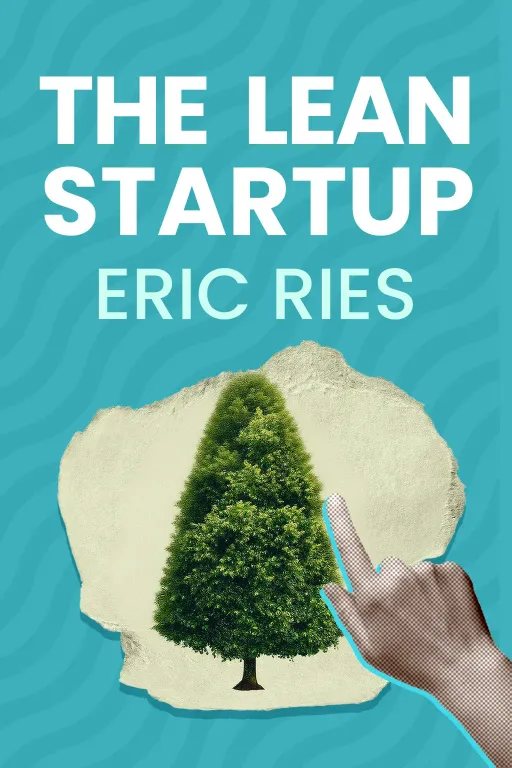
Atlas: And we're going to explore this through two incredibly influential works. First up, we're talking about "The Lean Startup" by Eric Ries. Ries, a seasoned Silicon Valley entrepreneur, saw countless startups—his own included—burn through resources building products nobody wanted. He essentially brought scientific rigor to the chaotic world of startups.
Nova: Which was revolutionary at the time! Instead of the traditional "build in secret, launch big" approach, Ries advocated for something far more agile. And then, woven into that, we have the insights from "Hooked" by Nir Eyal.
Atlas: Eyal, who started his career in the gaming and advertising industries, later turned his focus to behavioral design. He basically reverse-engineered how products capture our attention and become integral to our daily lives, distilling complex psychology into a practical model for building user loyalty. It's about designing for connection, not just consumption.
Nova: And combined, these two provide a powerful framework for developing an app that not only works well but deeply engages its users, turning initial interest into lasting connection.
The Lean Startup: Iteration and Validation
SECTION
Atlas: So, Nova, you've got my attention. How does this "lean startup" mentality help a visionary like me avoid building the thing, especially when my vision feels so clear?
Nova: It’s about embracing the Minimum Viable Product, or MVP, and what Ries calls "validated learning." The idea is that instead of spending years perfecting every single feature of your grand vision behind closed doors, you build the absolute simplest version of your product that allows you to test your core assumptions.
Atlas: The simplest version? For someone with a big dream, that can feel counterintuitive. It's like saying, "Don't build your cathedral, just build a single brick." Isn't that… small? Doesn't it dilute the vision?
Nova: Not at all! Think of it less like a single brick and more like a miniature, working model of your cathedral. It’s not about building less; it’s about building. A fantastic example is Dropbox. Before they even built the full product, the founder, Drew Houston, created a simple video demonstrating how Dropbox would work.
Atlas: A video? That was their MVP?
Nova: Exactly! It wasn't a functional product, but it was enough to test their fundamental assumption: "Do people easy file synchronization?" The video went viral. Beta sign-ups exploded. They proved there was massive demand investing millions in development. That's validated learning in action – proving your hypothesis with the least amount of effort and resources.
Atlas: That's fascinating. So, the MVP isn't just a stripped-down product; it's a tool for asking a question and getting data, not just opinions. It’s a strategic way to de-risk the entire venture.
Nova: Precisely. It’s the "build-measure-learn" loop. You build your MVP, you measure how users interact with it, and then you learn what works and what doesn't. This allows you to pivot or persevere with confidence, rather than guessing. It protects your ambition by making sure you’re always building something that truly resonates with your audience.
Atlas: I can see how that would save a ton of wasted effort. It's like a strategic compass, constantly recalibrating your course. But what about once you have that validated product? How do you ensure people don't just use it once and forget about it? Because a movement needs lasting commitment.
Hooked: Building User Habits and Loyalty
SECTION
Nova: That's where Nir Eyal's "Hook Model" comes in, and it beautifully complements the Lean Startup approach. Once you've validated to build, Eyal helps you understand to build it so users keep coming back, turning initial interest into a deep connection. He breaks it down into four steps: Trigger, Action, Variable Reward, and Investment.
Atlas: Okay, break that down for me. Give me an everyday example.
Nova: Let's take a social media app. The could be an external notification – a ping on your phone saying "Someone commented on your post!" Or an internal one – feeling bored, lonely, or curious. That leads to the: you open the app.
Atlas: And then the? That's where it gets interesting, right?
Nova: Absolutely. It's not a predictable reward, but something surprising and delightful. Maybe it's seeing a funny meme, getting a meaningful comment, or discovering something new and interesting in your feed. The variability is key; it keeps us coming back, like a slot machine. Our brains are wired for novelty and anticipation.
Atlas: So it's not just "I got a like, great." It's "What might I find? What connection might I make?" That makes sense. And the final step,?
Nova: Investment is about the user putting something into the product, which then increases its value to them. This could be time, data, effort, social capital, or even money. When you customize your profile, follow friends, upload photos, or create content, you're investing. This investment makes you more likely to return because you've put a piece of yourself into it.
Atlas: That sounds incredibly powerful, but also… a bit manipulative to a visionary who wants to inspire trust and loyalty. I want to build a movement, not just create a habit-forming product that people feel compelled to use. How do we ensure this model builds genuine connection, not just addiction?
Nova: That’s a crucial distinction. The Hook Model is a tool, and like any tool, its ethical application depends on the intent behind it. Eyal himself argues that companies that use the Hook Model to genuinely improve users' lives—like Duolingo for language learning, or meditation apps—build habits. It’s about aligning your product's value with the user's well-being and goals. If your app helps people achieve their aspirations, build better relationships, or learn new skills, then using the Hook Model simply makes it more effective at delivering that positive impact.
Atlas: So, it's about using the psychology of engagement to amplify genuine value, not to trick people into using something they don't truly need. It's about designing for deep connection, not just fleeting attention.
Nova: Exactly. When users see consistent value, experience those variable rewards, and invest their time and effort into something that genuinely enriches their lives, that's when you foster true loyalty. That's when your app becomes more than just a tool; it becomes an integral part of their journey, a foundation for the movement you're building.
Synthesis & Takeaways
SECTION
Nova: So, it really comes down to this: building a successful app, a successful movement, isn't just about having a brilliant idea and then it sticks. It's about building the something, through smart, validated learning, and then intentionally designing it to become an indispensable part of users' lives.
Atlas: And for our visionary listeners, the "tiny step" isn't just about testing an assumption; it's about taking the first strategic breath of your movement. Identify one core assumption about your future user base – maybe it's that they a certain feature, or that they'll in a specific way.
Nova: Then, design the simplest, quickest way to test it. Don't guess, gather data. Because your ambition is a gift, and it deserves a clear, proven path, not a fuzzy guess.
Atlas: It's about building with intention, building with feedback, and ultimately, building something so valuable and engaging that it inspires genuine loyalty and connection. That's how true movements are built.
Nova: This is Aibrary. Congratulations on your growth!