Stop Chasing Perfection, Start Shipping: The Art of Getting Things Done.
Golden Hook & Introduction
SECTION
Nova: What if everything you've been told about success – about striving for flawless execution, about waiting until it's 'just right' – was actually holding you back? What if perfection isn't a goal, but a trap?
Atlas: Whoa, Nova. That's quite the opening. I'm imagining a lot of our listeners, especially those who love to dive deep and get things just right, are feeling a little personally attacked right now. Are you really saying we should just… ship junk?
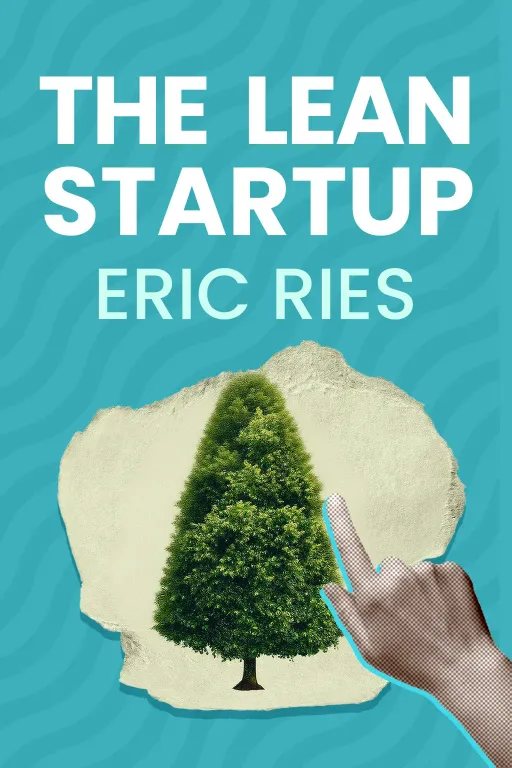
Nova: Not junk at all, Atlas! But I am saying that the relentless pursuit of perfection, that endless tweaking and refining, often becomes the greatest enemy of progress. Today, we're diving into this revolutionary idea, which we're calling "Stop Chasing Perfection, Start Shipping: The Art of Getting Things Done." It’s a philosophy deeply inspired by the likes of Eric Ries and his "Lean Startup" principles, and Guy Kawasaki, the legendary early Apple evangelist who always championed getting products into users' hands quickly. Their insights really challenge the conventional wisdom.
Atlas: Okay, so you’re talking about foundational thinkers in the tech and startup world, people who revolutionized how businesses operate. That makes me wonder, how does this "imperfect shipping" idea apply to the rest of us, especially those of us who appreciate the beauty of a well-researched, meticulously crafted idea?
The Imperfection Imperative: Why Shipping Trumps Perfection
SECTION
Nova: That’s a fantastic question, and it really gets to the heart of "The Cold Fact" we need to confront: ideas are easy; execution is hard. Many brilliant concepts never see the light of day because we wait for perfection. The true path to success, in pretty much any domain, is through rapid iteration, learning from the market – or your audience, or your users – and yes, shipping imperfect products. It’s a complete mindset shift.
Atlas: I can definitely relate to that. I imagine a lot of our listeners, who are curious learners and deep thinkers, have dozens of brilliant ideas swirling around, but getting them out into the world feels like an insurmountable task. But what exactly do you mean by "imperfect"? That sounds like a recipe for compromised quality.
Nova: That’s a common misconception, and it’s a really important distinction. When Eric Ries talks about the "Build-Measure-Learn" feedback loop in "The Lean Startup," he's not advocating for shoddy work. He's talking about identifying your core assumption – the one thing you absolutely get right for your idea to succeed – and then building the absolute Minimum Viable Product, or MVP, to test that assumption.
Atlas: So you're saying, don't build the entire car, just build a skateboard first to see if people even want to get from point A to point B?
Nova: Exactly! If your goal is simply transportation, a skateboard gets you moving and allows you to learn if people need to get from A to B, how they prefer to do it, what obstacles they encounter. You're testing the of transportation, not perfecting every single feature of a luxury vehicle. This approach allows you to adapt quickly, rather than over-planning and investing years into something nobody actually wants. The imperfection is in the, not necessarily the of what you deliver for that specific scope.
Atlas: That makes sense. It's about being strategic with your resources and learning fast. But it's still a tough pill to swallow for anyone who prides themselves on delivering a polished, complete product. There's almost a psychological barrier to putting something out there that you know isn't "finished."
Nova: There absolutely is. And that’s where Guy Kawasaki's insights from "The Art of the Start 2.0" really resonate. He champions getting started, making meaning, and iterating. He pushes for early, imperfect launches precisely to gather real-world feedback. Think about it: feedback on a fully finished product often comes too late to make significant changes without massive cost. Feedback on an early, "imperfect" version allows you to pivot, adapt, and truly build something that serves a need. The meaning comes from solving a real problem for someone, not from having a perfectly polished solution on day one.
Atlas: That's a great way to put it – "making meaning." For our listeners who are exploring new knowledge areas or even starting personal projects, this idea of "making meaning" through an imperfect first step could be incredibly liberating. It’s like, instead of writing the perfect book, just write the first chapter and see if it hooks anyone.
Nova: Precisely! And that's really my core take on this: stop agonizing over every detail. Launch, learn, and iterate your way to product-market fit, or audience engagement, or even personal clarity. This makes your business, your project, your learning journey more agile and responsive. The opportunity cost of waiting for perfection is immense – all the learning you miss out on, all the market insights you never gain, all the momentum that just fizzles out.
Atlas: But wait, looking at this from a high-stakes perspective, isn't that risky in certain fields? Like, you wouldn't want an "imperfect" bridge or a "minimum viable" surgical procedure, right?
Nova: Absolutely not, and that’s a crucial distinction. We’re talking about areas where the cost of failure is manageable and the learning from early release is high. In fields where human life or safety is directly at risk, meticulous perfection is non-negotiable. But for most intellectual endeavors, creative projects, software development, even personal habit formation, the risk of starting is often far greater than the risk of starting imperfectly. For deep thinkers, the challenge is often analysis paralysis – the desire to have all the answers before taking any action. This philosophy tells you to find the smallest possible action that will give you answers, and then build from there.
Atlas: That makes a lot of sense. So it’s about understanding the context and applying the principle where it makes the most impact. It’s not about being sloppy, but being smart about where you allocate your perfectionist tendencies.
Synthesis & Takeaways
SECTION
Nova: Exactly. It's a strategic embrace of controlled imperfection. It’s a mindset shift from fear of failure to embracing learning opportunities. When you ship something "imperfect," you're not failing; you're gathering data. You're engaging in a conversation with the real world, rather than just talking to yourself in a vacuum. The insight here is profound: the speed of learning often dictates the speed of success, and you can't learn without doing.
Atlas: That gives me chills. For anyone who's ever felt stuck, waiting for that perfect moment or that perfect version, this is incredibly empowering. It reframes "failure" not as an end, but as essential feedback. So, what’s one tangible thing our listeners, who are always looking to apply these insights, can do right now?
Nova: The "Tiny Step" from our guiding text is incredibly powerful: identify one small feature or idea you've been delaying. It could be a new habit you want to start, a blog post you've been overthinking, a side project you're scared to launch. Now, launch a bare-bones version of it this week to get immediate feedback. Don’t wait. Just ship.
Atlas: I love that. It brings it right down to earth. For anyone out there who's been sitting on that brilliant idea, that creative project, or even that personal goal, this is your permission slip to start. Don't let perfection be the enemy of good, or even the enemy of "good enough to get started."
Nova: Absolutely. The world needs your ideas, not your perfectly polished intentions. Get them out there.
Atlas: Thank you, Nova, for shedding light on such a vital concept. This has been a truly illuminating discussion.
Nova: My pleasure, Atlas.
Nova: This is Aibrary. Congratulations on your growth!