How to Build a Business That Lasts, Not Just Launches: The Durable Growth Guide
Golden Hook & Introduction
SECTION
Nova: What if I told you that the secret to building a wildly successful business isn't about having a brilliant idea, boundless passion, or even working 80 hours a week? It's about being incredibly, almost obsessively, wrong.
Atlas: Whoa, really? That flies directly in the face of every motivational poster I’ve ever seen. I thought the whole point was to be from the start, to have that singular vision and just push through.
Nova: Exactly! That's the common misconception that derails so many incredible ideas. Today, we're dissecting the blueprint for enduring success, not just fleeting launches, from the guide. This isn't just theory; it's a strategic playbook for entrepreneurs who want to build something real, something that truly lasts.
Atlas: So this book is essentially a cheat sheet for avoiding the early, spectacular, and often heartbreaking failures we hear about? For people who want to build something impactful, something with a legacy, that kind of systematic de-risking sounds like pure gold.
Nova: It absolutely is. Because the cold, hard fact is, starting a business is exhilarating, but true success comes from building something that endures. Many great ideas fail not from lack of effort, but from a fundamental lack of systematic validation. You need a way to test your vision without literally burning through precious time or resources.
The Peril of Unvalidated Ambition
SECTION
Nova: Let's illustrate this with a story. Imagine Chloe, a passionate entrepreneur with a brilliant idea: a gourmet organic dog food truck. She sees the booming pet market, the demand for natural ingredients, and she envisions happy pups and delighted owners. She pours her entire life savings, takes out a loan, and spends months perfecting artisanal recipes – organic salmon pâté for Fido, quinoa and kale bites for Princess.
Atlas: Oh, I can picture it. Beautifully branded truck, custom packaging, maybe even little bow ties for the dogs on her logo. She’s probably thinking, "This is it! My passion project is going to be huge!"
Nova: Precisely. She launches with a grand opening, lots of social media buzz, and initial excitement. People love the. But after a few weeks, the lines dwindle. She's got this gorgeous truck, expensive ingredients, and not enough customers.
Atlas: So, what went wrong? Was the food not good? Was the branding off?
Nova: The food was probably delicious, and the branding was top-notch. The problem wasn't the product itself, but the it was built on. Chloe assumed dog owners would pay a premium for gourmet organic meals from a truck. She assumed they'd seek out a truck for daily feeding. She assumed convenience wasn't a major factor compared to quality.
Atlas: Ah, I see. She poured her heart and soul, and her entire bank account, into a vision that was never actually tested with reality. She built the whole skyscraper before checking if the foundation could even hold a shed. That’s going to resonate with anyone who’s ever launched something they believed in and watched it fizzle, wondering where they went wrong.
Nova: Exactly. Her failure wasn't due to a lack of effort or passion. It was a lack of. She didn't test her riskiest assumptions – price sensitivity, convenience, actual daily need – before making massive investments. The outcome? Debt, unsold inventory, and a beautiful, expensive truck that became a symbol of a dream that never connected with market reality.
Atlas: That’s a tough lesson to learn, especially for entrepreneurs who are driven by a desire for impact and legacy. They want to build something meaningful, but if they're building on sand, that legacy just crumbles. So how does someone with a strategic mindset avoid this "blind launch" mistake? How do they optimize their approach right from the start?
Nova: That’s the million-dollar question, and it brings us directly to the tactical insights from.
Architecting Endurance: Leveraging Lean Principles and Visual Strategy
SECTION
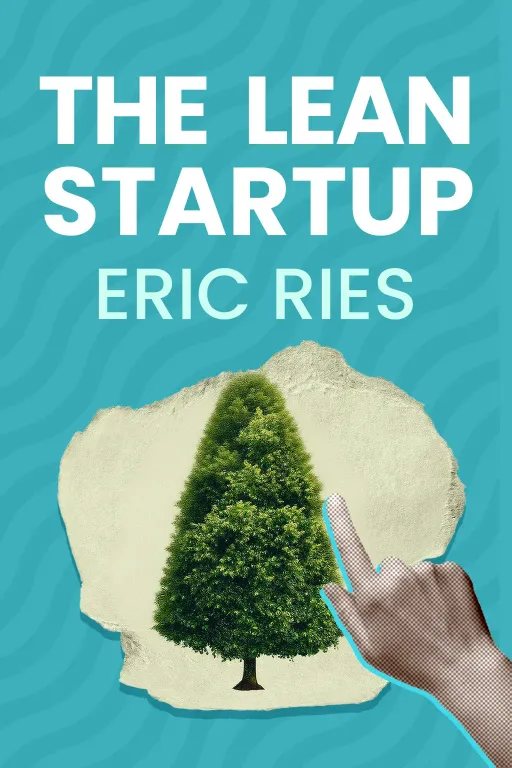
Nova: Chloe's story, unfortunately, is all too common, but it highlights precisely what aims to prevent. This brings us to the tactical insights that fundamentally solve this problem: continuous innovation and systematic risk reduction. The book champions two powerful frameworks: "The Lean Startup" by Eric Ries and the Business Model Canvas from "Business Model Generation" by Alexander Osterwalder and Yves Pigneur.
Atlas: Okay, so instead of Chloe’s "build it and they will come" approach, it's more like "build a tiny, testable piece, see if they come, then build more"? What's the core idea behind "The Lean Startup"?
Nova: You've got it! Eric Ries argues for continuous innovation through what he calls "validated learning." Instead of building a full-blown product like Chloe's truck, you build a Minimum Viable Product, or MVP. This is the simplest version of your idea that allows you to collect the maximum amount of validated learning with the least amount of effort.
Atlas: So, for Chloe, an MVP might have been... what, selling a few types of dog treats out of a cooler at a dog park, and seeing if people actually bought them before buying the whole truck?
Nova: Precisely! Or even just a landing page describing her concept, asking people to sign up for a waiting list, and seeing if they'd commit to a certain price point. You test your core hypotheses with real customers, adapt based on their feedback, and avoid those massive, unproven launches. It’s about building, measuring, and learning in rapid cycles.
Atlas: That makes so much sense for anyone focused on optimization. It's like having a strategic plan that's constantly being optimized in real-time. But how do you even know what your 'riskiest assumption' is? That's where the Business Model Canvas comes in, right?
Nova: Absolutely. The Business Model Canvas, introduced in, is a visual tool that helps you quickly map out and test your business ideas on a single page. It breaks down your business into nine key building blocks: customer segments, value propositions, channels, customer relationships, revenue streams, key resources, key activities, key partnerships, and cost structure.
Atlas: So, it's like a strategic blueprint that lets you see all the moving parts at once?
Nova: Exactly. By laying out all these interconnected elements, you can visually identify your riskiest assumptions. For Chloe, the riskiest assumption was likely her "customer segments" and "value propositions" – would dog owners find enough value in gourmet truck food to justify the price and effort? The Canvas makes those assumptions explicit, so you know exactly what to test first, cheaply and quickly, using Lean Startup principles.
Atlas: That’s such a powerful combination. It sounds like these frameworks fundamentally solve the problem by providing a systematic way to de-risk the entrepreneurial journey. For entrepreneurs who want to build something durable, something that creates real impact and leaves a legacy, this isn't just about avoiding failure; it's about intelligently constructing success. It's about building with purpose and precision.
Synthesis & Takeaways
SECTION
Nova: That’s precisely it, Atlas. The real mastery isn't in avoiding failure, but in making failure small, cheap, and insightful. It's about learning your way to success, iterating intelligently, and constantly validating your vision with the market. Enduring businesses aren't born perfect; they're through a rigorous process of hypothesis testing and adaptation.
Atlas: So, for all our listeners who are either nurturing a business idea or already running one, and who are driven by self-sufficiency and creating lasting impact, this isn't just about having a great product. It's about having a great for developing that product.
Nova: Absolutely. It's about moving from hopeful guessing to validated learning, ensuring that every step you take brings you closer to a business that not only launches but truly lasts. Your vision is valid, but its execution needs a strategy grounded in reality.
Atlas: That’s an incredibly empowering thought. It shifts the focus from sheer willpower to intelligent strategy.
Nova: Indeed. So, here’s your tiny step, straight from: Map out your current business idea using a Business Model Canvas. Identify your riskiest assumption. What's the one thing that, if proven false, would completely derail your idea?
Atlas: And then, go test that one thing in the cheapest, fastest way possible. It’s about building a legacy, one validated assumption at a time.
Nova: Exactly. What assumption are you holding onto that needs to meet reality?
Atlas: Powerful stuff. This is Aibrary. Congratulations on your growth!