The Architecture of Elite Team Dynamics
Golden Hook & Introduction
SECTION
Nova: Most leaders approach team building like they are assembling a piece of flat-pack furniture, hoping that if they just follow the instructions and hire smart people, success is inevitable. They assume that technical competence is the primary engine of high performance. The reality is that this model ignores the hidden, messy, and crucial architecture that actually holds a team together.
Atlas: That is a bold way to frame it. You are suggesting that the obsession with technical skill is actually a distraction from the real work of leadership.
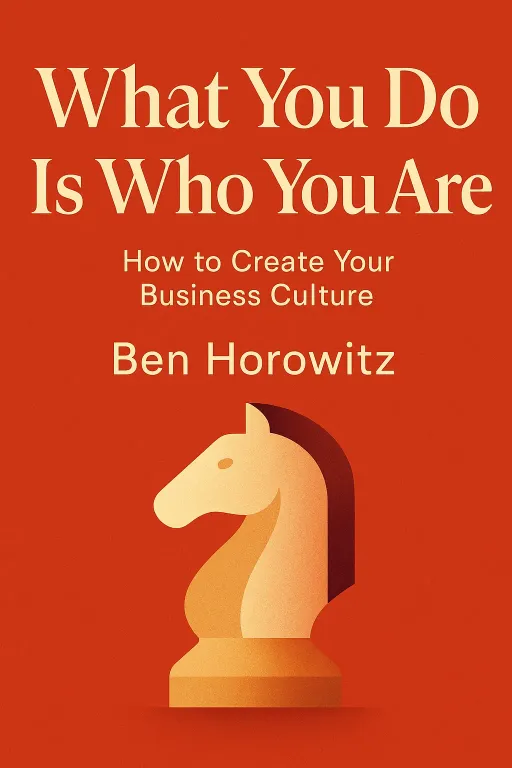
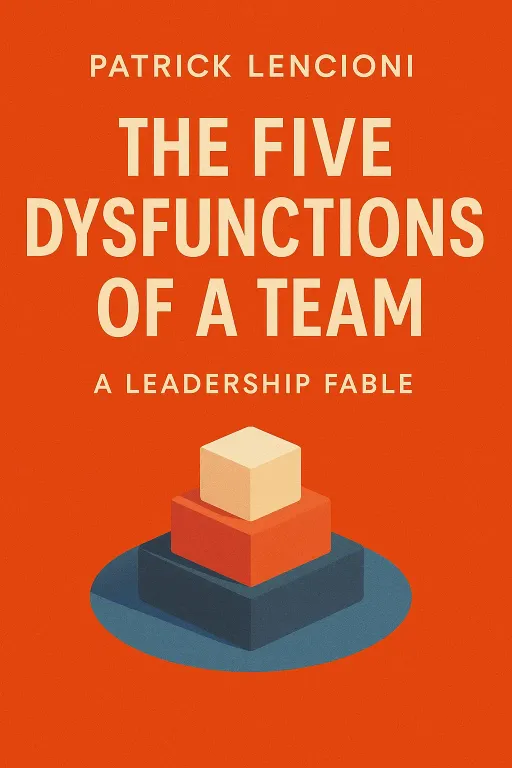
Nova: Exactly. We are essentially talking about the invisible infrastructure of human interaction. Today, we are diving into two seminal works that define this space. First, we have Patrick Lencioni’s The Five Dysfunctions of a Team, which turned the corporate world on its head by arguing that trust, not strategy, is the foundation. And we are layering that with Daniel Coyle’s The Culture Code, a book that deconstructs how high-performing groups build safety through tiny, specific signals.
Atlas: I love that combination. Lencioni gives us the diagnostic, and Coyle gives us the mechanics. For the analytical minds listening—the architects of the world who want to see the blueprints behind the behavior—this is going to be a masterclass in how to engineer a team that actually functions.
Nova: Precisely. Let us start with the foundation Lencioni identified. He argues that everything falls apart without vulnerability-based trust.
The Foundation of Vulnerability
SECTION
Atlas: Okay, let’s dig into that. Vulnerability-based trust sounds like a buzzword. It sounds like something you’d hear in a corporate retreat that everyone rolls their eyes at. When you say vulnerability in a professional setting, what are we actually talking about?
Nova: It is common to mistake vulnerability for weakness. In a high-stakes environment, being vulnerable feels like a liability. Lencioni’s core insight is that vulnerability-based trust is actually the willingness to be transparent about your own mistakes, your weaknesses, and your limitations. It is the ability to say, I do not know, or I messed up this part of the project, or I need help.
Atlas: That sounds terrifying for a high-performer. If I am the person who is supposed to have the answers, admitting I don’t know something feels like I am undermining my own authority.
Nova: That is the exact trap. When a leader acts like they have all the answers, they signal to the team that it is unsafe to be wrong. This creates a culture of artificial harmony. People start withholding information to protect their image. They stop debating ideas because they don’t want to risk looking incompetent.
Atlas: So, artificial harmony is actually a symptom of low trust. That makes sense. I have seen teams where everyone agrees in the meeting, but the moment they step into the hallway, the real dissent starts.
Nova: That is a classic sign. Lencioni calls it the fear of conflict. In a healthy team, conflict is not about personal attacks; it is about passion for the work. It is the ability to challenge an idea vigorously because you trust the person enough to know they won’t take it personally. If you lack that trust, you get silence. And silence is the death of innovation.
Atlas: I have been in those meetings. The silence is deafening. But let’s play devil’s advocate. Is there a point where vulnerability becomes counterproductive? If I am a leader and I am constantly airing my insecurities, won’t my team lose confidence in my ability to lead?
Nova: That is a fair concern. There is a distinction between strategic vulnerability and emotional dumping. Strategic vulnerability is about owning your limitations in service of the team’s growth. It is about saying, I have a blind spot here, and I need your expertise to cover it. It is not about looking for emotional validation. It is about signaling that the team’s collective intelligence is more important than your individual ego.
Atlas: That is a crucial distinction. It is about framing the limitation as an opportunity for the team to step up.
Nova: Exactly. When you admit you don’t have all the answers, you create space for others to contribute. You are essentially inviting them to own the solution. That is how you build a team of owners rather than a team of followers.
Atlas: It sounds like the shift is from a command-and-control model to a collaborative architecture. But how does this actually translate into day-to-day behavior? If I am sitting in a room with my team, how do I signal that this kind of trust is the standard?
Nova: This is where Daniel Coyle’s work in The Culture Code becomes so powerful. He moves us from the abstract concept of trust to the concrete mechanics of signals.
The Mechanics of Safety
SECTION
Atlas: I am curious about that. Coyle’s work is fascinating because he focuses on what he calls belonging cues. He argues that high-performing groups are not just lucky; they are engineered through specific, physical signals.
Nova: You hit the nail on the head. Coyle spent years studying the most successful groups in the world, from Navy SEAL teams to Pixar. What he found was that these groups consistently send three types of signals: energy, individual attention, and future orientation.
Atlas: Let’s break those down. Energy seems obvious, but what does it mean in a professional context?
Nova: It is about engagement. It is the way someone leans in during a conversation, the way they make eye contact, the way they acknowledge you when you walk into a room. It is a signal that says, I am present, I am listening, and you matter.
Atlas: So, it is about active, physical participation. It is not just about the words you say; it is about the bandwidth you dedicate to the person in front of you.
Nova: Precisely. In a digital world, this is even more critical. When you are on a video call, do you look at the camera? Do you minimize your other windows? Do you signal that the person on the screen has your full, undivided attention? Those are the cues that build safety.
Atlas: I see how that links to Lencioni’s trust. If I am distracted, I am signaling that my time is more important than our connection. That erodes trust immediately.
Nova: Exactly. And the second signal, individual attention, is about making people feel seen. Coyle highlights that the best leaders are masters of the one-on-one. They remember the details. They ask about the project you mentioned last week. It is about showing that you view the other person as a complete human being, not just a resource for the team’s output.
Atlas: That feels like a high-maintenance strategy. For leaders who are managing dozens of people, how do you scale that?
Nova: You don’t need to be everyone’s best friend. You need to be consistent. It is about small, regular interactions. It is the five-minute check-in that has nothing to do with the current agenda. It is the quick note of appreciation for a specific contribution. These micro-signals accumulate over time to create a massive buffer of safety.
Atlas: So, it is a compound interest model for relationships.
Nova: That is a perfect analogy. And the third signal, future orientation, is about vision. It is signaling to the team that we have a shared future. It is about constantly framing the work in the context of where we are going, not just what we are doing today.
Atlas: I imagine that helps with the fear of conflict too. If we are aligned on where we are going, the conflict becomes less about protecting our turf and more about finding the best way to get to the destination.
Nova: You are spot on. When the goal is shared, the friction is productive. When the goal is ambiguous, the friction becomes personal.
The Practical Application
SECTION
Atlas: We have covered the theory and the mechanics. Now, let’s talk about the execution. For the person listening—the strategic architect who wants to build this kind of culture—what is the first move?
Nova: The takeaway is actually quite simple, but it requires courage. In your next meeting, share a small personal challenge.
Atlas: A personal challenge? Like, I am struggling with my inbox?
Nova: It needs to be more relevant than that. Share a challenge related to the project you are working on. Admit to a mistake you made, or express a genuine uncertainty you have about a strategic decision.
Atlas: So, instead of leading with the solution, lead with the uncertainty.
Nova: Exactly. It signals to the room that it is safe to be imperfect. When a leader says, I am not sure if this strategy is the right one, I would love your thoughts on where the risks are, they are effectively opening the door for everyone else to be honest.
Atlas: It is a vulnerability invitation. You are essentially saying, I trust you enough to show you my cards.
Nova: And by doing that, you are triggering the belonging cues Coyle talks about. You are signaling that you value their perspective more than your own need to be right.
Atlas: That is a powerful shift. But I have to ask, what if the team misinterprets that as weakness? What if someone tries to use that vulnerability against you?
Nova: That is the risk. But look at the alternative. If you hide your uncertainties, you create a culture where everyone hides their uncertainties. You end up with a team that is terrified of the truth. Which team do you think is more likely to succeed? The one where people are constantly guarding their reputations, or the one where people are constantly hunting for risks and improvements?
Atlas: The latter, obviously. But it takes a certain kind of confidence to be that transparent. It is not about being weak; it is about being secure enough in your own competence that you don’t need to perform perfection.
Nova: You hit the core of it. It is the difference between performative leadership and authentic leadership. Performative leadership is about maintaining the image of the expert. Authentic leadership is about facilitating the success of the team.
Atlas: I like that distinction. It is the shift from being the smartest person in the room to being the architect of the smartest room.
Nova: Exactly. Think about the high-stakes decisions you make daily. If you journal on those decisions—as we discussed in our growth recommendations—you are already practicing this vulnerability with yourself. The next step is to bring that same level of honesty into the room with your team.
Atlas: It is about closing the gap between your internal thought process and your external communication.
Nova: Precisely. And when you do that, you are not just managing people. You are building an environment where high performance is the natural byproduct of safety and trust.
Synthesis & Takeaways
SECTION
Atlas: This has been a fascinating journey from the high-level theory of Lencioni to the practical, physical cues of Coyle. It feels like we are looking at two sides of the same coin. Lencioni gives us the mindset, and Coyle gives us the toolkit.
Nova: That is exactly right. If you only focus on the mindset, you might end up with good intentions but poor execution. If you only focus on the cues, you might end up with a team that has great rapport but lacks the deep trust required for real innovation. You need both.
Atlas: And for the leaders listening, the beauty is that this is scalable. You don’t need a massive organizational overhaul to start. You can start with your next interaction. You can start with the next email you send.
Nova: That is the most empowering part. The architecture of a high-performing team is built one conversation at a time. It is not something you achieve; it is something you practice every single day.
Atlas: It reminds me that the most complex systems are often built on the most elegant, simple foundations. Trust and safety. If you get those right, everything else—the strategy, the execution, the results—tends to follow.
Nova: It is the ultimate competitive advantage. In a world of increasing complexity and rapid change, the teams that can navigate the uncertainty together will always win. And that begins with the courage to be human.
Atlas: I think that is the perfect place to leave our listeners. It is not about being a robot; it is about being a human who creates space for other humans to be their best.
Nova: Well said. And for those who want to take this further, remember the challenge. Next meeting, share a challenge. Model the vulnerability you want to see. Build that safety.
Atlas: It is a small move with massive leverage. Thank you for walking us through this, Nova. This has been a masterclass in team dynamics.
Nova: It was a pleasure, Atlas. And to all our listeners, keep building. Keep refining your craft. The future belongs to those who can build the strongest foundations.
Atlas: This is Aibrary. Congratulations on your growth!