Stop Guessing, Start Shaping: The Guide to Intentional Culture
Golden Hook & Introduction
SECTION
Nova: Most people think company culture is about foosball tables, free snacks, or maybe a cool logo. What if I told you it’s actually about life-or-death assumptions that dictate who thrives, who fails, and ultimately, whether your organization reaches its full potential?
Atlas: Oh, I like that. So, we're saying it’s not the kombucha on tap that makes a great culture. It’s something far more fundamental, something that lives in the shadows, almost?
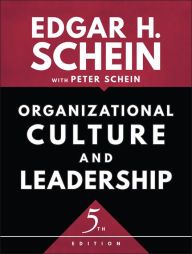
Nova: Exactly! It's the invisible operating system, Atlas. And today, we’re pulling back the curtain on this often-misunderstood powerhouse, drawing insights from two giants in the field: Edgar H. Schein’s foundational work, "Organizational Culture and Leadership," and Daniel Coyle’s incredibly practical "The Culture Code."
Atlas: Schein, Coyle. I know those names. Schein, if I'm not mistaken, is practically the godfather of organizational psychology, a former MIT professor who mapped out how cultures actually work. And Coyle, he's the master storyteller who makes complex social science sing, right? Bringing those two together sounds like a powerful combination.
Nova: Absolutely. Schein gives us the deep academic framework, the 'why' and 'how' culture forms at its deepest levels. Coyle then shows us the 'what' – the tangible, observable actions that build truly cohesive, high-performing cultures. It’s the perfect blend of theory and practice for any aspiring leader.
Atlas: Right. So, let’s peel back those layers. Let’s start with this idea of culture as an 'invisible operating system.' What does Schein mean by that, and why is it so critical for leaders to understand?
Culture as an Invisible Operating System
SECTION
Nova: Well, Schein argues that culture isn't just a "vibe" or a set of policies. It's a multi-layered phenomenon, like an iceberg. The visible tip is what he calls "artifacts" – the office layout, the dress code, the casual Fridays. Below the surface are "espoused values" – what a company says it believes in, like "innovation" or "customer-first."
Atlas: Okay, so the surface stuff, the mission statement on the wall. But there’s a whole lot more under the water, I imagine?
Nova: Precisely. The deepest, most powerful layer, the real operating system, is what he calls "basic underlying assumptions." These are the unconscious, taken-for-granted beliefs about human nature, relationships, truth, and how the world works. They're invisible, but they dictate everything.
Atlas: Wow. So, it's not even about what we we believe, but what we to be true? That sounds incredibly hard to grasp, let alone change. For our listeners who are managing high-pressure teams, this concept might feel impossible to implement. How does ignoring these invisible assumptions play out in the real world? Can you give us an example where this "invisible operating system" really dictates outcomes?
Nova: I can give you a classic example. Imagine a tech company that proudly declares its espoused value is "innovation" and "fail fast, learn faster." They even put up posters and celebrate small experiments. That's the artifact and the espoused value.
Atlas: Sounds great on paper.
Nova: It does. But let's say the underlying assumption, deeply rooted in the leadership, is actually "failure is a sign of incompetence." Or "mistakes lead to budget cuts and layoffs."
Atlas: Oh, I see where this is going.
Nova: Exactly. So, what happens? Despite the posters, employees quickly learn that taking risks, genuinely experimenting, and admitting mistakes are career suicide. They might they're innovating, but they'll play it safe, hide errors, and stick to proven methods. The new "fail fast" policy becomes a hollow shell, and innovation grinds to a halt. The invisible operating system, the underlying assumption, completely overrides the visible policy. The cause is the hidden assumption, the process is the fear of failure, and the outcome is stagnation and distrust, all while management wonders why their "innovative" culture isn't working.
Atlas: That’s incredibly insightful. It’s like trying to upgrade your computer’s software without touching the core hardware. It’s never going to run the way you want it to. And I imagine a lot of our listeners have observed these kinds of unspoken rules in their own team meetings, just like our "Tiny Step" suggested. So, how do you even begin to "see" or diagnose this invisible operating system?
Intentional Cultivation: From Assumptions to Safety and Purpose
SECTION
Nova: That’s the million-dollar question, and it naturally leads us to the second key idea: once we understand that culture is a living system driven by these deep assumptions, we can intentionally cultivate it. This is where Daniel Coyle steps in, showing us the practical elements that build strong, resilient cultures: psychological safety, shared vulnerability, and a profound sense of purpose.
Atlas: Safety, vulnerability, purpose – those sound like 'soft' skills, Nova. How do they actually translate into building a 'powerful, resilient collective'? For someone focused on, say, leadership development or market insights, how do these seemingly intangible qualities drive concrete results?
Nova: They're anything but soft, Atlas. They are the bedrock. Coyle studied high-performing teams across incredibly diverse fields – from Navy SEALs to Pixar animation studios, even professional basketball teams. He found that these teams weren't exceptional because they had the smartest people, but because they had the strongest culture. And that culture was built on these three pillars.
Atlas: Give me an example. How does a leader build something like psychological safety? It sounds like something you hope for, not something you engineer.
Nova: Not at all. Coyle gives a powerful example of a leader who takes deliberate steps. Consider a project team at Google, where psychological safety is paramount. The leader might start by openly admitting their own mistakes, saying something like, "Okay, I really messed up on that last decision, and here's what I learned." This simple act, this shared vulnerability from the top, immediately sends a signal: "It's safe to be imperfect here. It's safe to take a risk."
Atlas: That's a game-changer right there! So, by admitting their own fallibility, the leader implicitly creates a new assumption: "We learn from mistakes, we don't punish them."
Nova: Exactly. That’s the intentional cultivation. This leader then might implement a "feedback ritual" where after every project, everyone, from the most junior member to the leader, shares one thing that went well and one thing they could improve, without judgment. This systematic approach builds shared vulnerability, transforming it from a weakness into a strength, a collective learning opportunity. The process is the leader's deliberate actions and the team's engagement in these rituals, and the outcome is a high-trust environment where people are comfortable taking risks, sharing diverse ideas, and ultimately, innovating at a much faster pace. They're all united by a clear, shared purpose, knowing they can rely on each other.
Atlas: That’s a fantastic example. It truly connects Schein’s deep assumptions to Coyle’s actionable behaviors. The leader isn't just hoping for a good culture; they're actively it through their actions. It’s about creating an environment where people feel seen and valued, which is crucial for anyone looking to guide teams effectively.
Synthesis & Takeaways
SECTION
Nova: And that's the profound insight, isn't it? Culture isn't static; it's a living, breathing system that requires constant, intentional cultivation. It’s shaped by leadership's underlying assumptions, which then manifest in the values and behaviors that foster safety, shared vulnerability, and a collective sense of purpose. It’s about creating environments where people feel seen and valued, where they can bring their full selves to work.
Atlas: Absolutely. For our listeners who are aspiring leaders and strategic thinkers, this isn't just abstract theory. It’s a powerful lever for real-world impact. It moves us beyond just trying to motivate individuals and toward building a collective that is inherently powerful and resilient. It’s about understanding the invisible to shape the visible.
Nova: It is. This is about recognizing that your organization's potential isn't just about strategy or talent; it's fundamentally about the culture you nurture. The responsibility, and the opportunity, to shape that human potential lies squarely with intentional leadership.
Atlas: So, for that "tiny step" this week, instead of just observing a meeting, maybe try initiating a quick 5-minute debrief after a small decision. Ask: "What went well in that decision? What could we do differently next time?" And then, crucially, share your own takeaway first. Start building that safety and vulnerability.
Nova: That’s a perfect, actionable step. Small actions, consistently applied, are how we begin to shape those deep-seated assumptions.
Atlas: This is Aibrary. Congratulations on your growth!