Cultivating Elite Teams: Culture and Ownership
Golden Hook & Introduction
SECTION
Nova: Imagine a team where everyone, and I mean, takes absolute, undeniable responsibility for every success and every setback. No blame games, no finger-pointing, just pure, unadulterated ownership. Sounds like a dream, right?
Atlas: Sounds… intense, Nova. Like the kind of team you’d find scaling Everest or defusing a bomb. But I’m already picturing the sheer focus, the impact. That’s the kind of drive that really moves the needle, especially for leaders trying to strategically align their vision with action.
Nova: Exactly! And that’s the bedrock of what Jocko Willink and Leif Babin lay out in their powerhouse book, "Extreme Ownership." They argue that leaders are responsible for everything in their domain, fostering a culture where every team member removes excuses and proactively solves problems. It’s a philosophy forged in the crucible of Navy SEAL combat, emphasizing radical accountability.
Atlas: And I can see the immediate appeal for anyone driven by impact and developing others. It’s about building a team that doesn't just react, but anticipates and dominates. But here’s my immediate thought: how do you get people to embrace that level of rigorous personal accountability without it feeling like a firing squad when things inevitably go sideways?
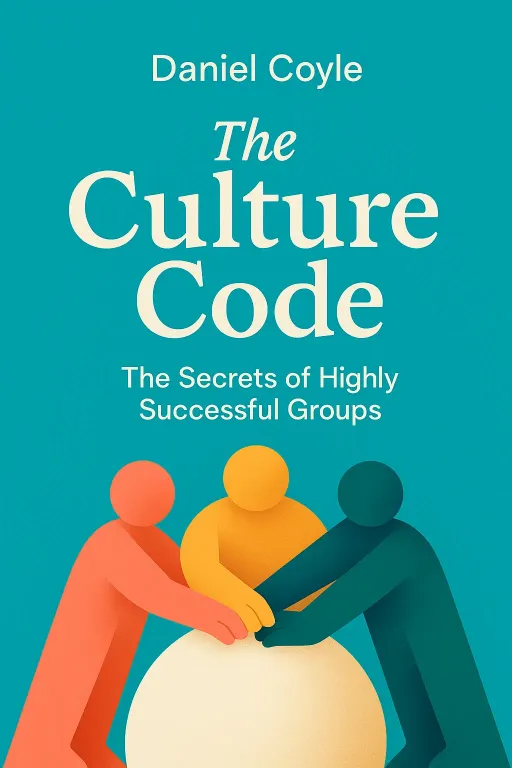
Nova: Ah, Atlas, you’ve hit upon the fascinating tension at the heart of today’s discussion. Because on the other side of the leadership coin, we have Daniel Coyle, in "The Culture Code," revealing the profound power of psychological safety. He highlights three key skills for building cohesive, high-performance cultures: building safety, sharing vulnerability, and establishing purpose.
Atlas: So, on one hand, you’ve got "no excuses, own everything," and on the other, "let’s be vulnerable and safe." My brain is already doing mental gymnastics. These seem almost contradictory at first glance. How can a leader possibly instill a rigorous sense of personal accountability while simultaneously cultivating an environment of psychological safety and shared vulnerability? It feels like trying to be both a drill sergeant and a therapist at the same time.
Nova: And that, my friend, is the deep question we’re untangling today. It’s the leadership paradox that, once mastered, unlocks truly elite team performance. Because the truth is, these aren't opposing forces; they're two sides of the same incredibly powerful coin.
Extreme Ownership: The Unyielding Call to Accountability
SECTION
Nova: Let’s start with the "Extreme Ownership" side. Willink and Babin don’t mince words. Their core message is that there are no bad teams, only bad leaders. If your team isn't performing, the leader looks inward, not outward. It’s a complete paradigm shift from the typical blame-game corporate culture.
Atlas: I can definitely relate. I’ve seen situations where a project fails, and everyone's scrambling to point fingers at external factors or other departments. So, what does this "extreme ownership" look like in practice, beyond just saying, "It's my fault"?
Nova: It’s far more than just taking the rap. It’s about understanding that as a leader, you are ultimately responsible for everything that impacts your mission. If your team isn't trained properly, it's your fault. If communication breaks down, it's your fault. If resources are insufficient, it's your fault for not anticipating or communicating that need up the chain. They tell a story about a SEAL team in Ramadi, Iraq, where two platoons were performing vastly differently, despite having similar missions and personnel.
Atlas: Oh, I like that. A real-world example. What happened?
Nova: One platoon was consistently successful, while the other struggled with disorganization, infighting, and mission failures. The struggling platoon's commander was frustrated, blaming his subordinates, the equipment, even the intelligence they were given. Willink and Babin, who were overseeing these operations, told both commanders to swap places.
Atlas: Wait, they just swapped them? No re-training, no new personnel? That's a bold move.
Nova: Incredibly bold. And what happened next was illuminating. The struggling platoon, now under the effective leader, quickly turned around. Communication improved, morale soared, and they started achieving their objectives. The successful platoon, under the struggling leader, began to falter.
Atlas: Wow. So it wasn’t the team, it was definitively the leadership. That’s a powerful, almost brutal, illustration of extreme ownership. It strips away every possible excuse.
Nova: Exactly. The struggling leader, when he took over the already high-performing team, continued to blame external factors when they started to underperform. He simply couldn't see past his own perspective. The effective leader, however, immediately took responsibility for the problems in his new, struggling team. He recognized failures in communication, failures in training, failures in setting clear expectations.
Atlas: That’s a tough pill to swallow for many leaders, especially if they’re used to operating in environments where blame is easily externalized. But for someone focused on self-growth and impact, it’s also incredibly empowering. It means you always have agency, you always have a lever to pull.
Nova: Precisely. It shifts the entire dynamic. Instead of asking "Who messed up?", an extreme ownership leader asks, "What could I have done differently to prevent this?" And crucially, they instill this mindset throughout their team. Everyone becomes a problem-solver, not a problem-blamer. They empower their subordinates to take initiative, but only after ensuring they understand the mission, the risks, and have the tools to succeed.
Atlas: So it's not just about the leader taking the fall, it's about building a culture where everyone feels empowered to solve problems and prevent issues from escalating, because they know the leader has their back, even when owning the mistake. But that still leaves me wondering about the safety aspect. If everyone is so intensely accountable, doesn’t that create a fear of making mistakes?
The Culture Code: Building Safety and Shared Vulnerability
SECTION
Nova: That's where Daniel Coyle's "The Culture Code" steps in, providing the crucial counterpoint. Coyle argues that the most successful teams aren't just good at tasks; they're masters of interaction. And the foundation of that interaction is psychological safety.
Atlas: Psychological safety. It’s a term I hear a lot, but what does it really mean in a practical sense? Is it just about being "nice"?
Nova: Far from it. Coyle defines psychological safety as a shared belief held by members of a team that the team is safe for interpersonal risk-taking. It’s the feeling that you can speak up, ask questions, admit mistakes, or offer a half-baked idea without fear of humiliation, punishment, or retribution.
Atlas: I can definitely see how that would encourage people to be proactive problem-solvers, as "Extreme Ownership" suggests. If you’re afraid to admit a problem exists, you can’t fix it.
Nova: Exactly. Coyle illustrates this with Google’s Project Aristotle, an extensive study to figure out what made their best teams tick. They analyzed hundreds of teams, looking at everything from personality types to work styles. And the number one factor they found was psychological safety. Not individual IQ, not experience, but how safe team members felt with each other.
Atlas: That’s a pretty compelling data point. Google, of all places, with all their data scientists, landed on something so human. So, how do these elite teams this safety?
Nova: Coyle identifies three core skills. The first is "building safety," which means sending consistent signals of belonging and connection. Things like eye contact, active listening, asking for input, even small gestures that say, "I see you, I hear you, and you belong here." It’s about creating a sense of shared identity and mutual care.
Atlas: So, it’s the non-verbal cues, the small interactions that build trust over time. I imagine that’s particularly important for leaders who value developing others. You can’t develop someone if they’re constantly in fear of making a mistake.
Nova: Absolutely. The second skill is "sharing vulnerability." This is where team members, especially leaders, show their imperfections, admit mistakes, and ask for help. It’s the mutual risk-taking that builds deep trust. Coyle shares the story of a top-performing improv comedy troupe, Upright Citizens Brigade. Their success wasn't just about individual brilliance; it was about how they constantly put themselves out there, made mistakes, and built on each other's failures without judgment.
Atlas: Oh, I love that analogy! Improv is all about "yes, and..." It’s about accepting what’s given and building on it, no matter how ridiculous. That makes so much sense for a team environment. If a leader can say, "I messed up, I need your help," it creates a space for everyone else to do the same.
Nova: Precisely. It signals that it's okay to be imperfect, that asking for help is a strength, not a weakness. And the third skill is "establishing purpose." This isn't just about a mission statement on a wall; it's about constantly reinforcing shared goals and values, translating abstract ideals into concrete, everyday actions. It’s the "why" behind the "what," keeping everyone aligned and motivated.
Atlas: So, if "Extreme Ownership" gives you the framework for individual responsibility and accountability, "The Culture Code" provides the human operating system that makes that framework not just bearable, but thriving.
Synthesis & Takeaways
SECTION
Nova: And this is where the magic happens, Atlas. The deep question we posed earlier: How do you simultaneously instill rigorous accountability and cultivate psychological safety? The answer is that psychological safety is not the of accountability; it’s the upon which true accountability can flourish.
Atlas: That’s a profound reframe. I always thought they were at odds. But if people feel safe enough to admit mistakes early, to ask for help, to challenge assumptions, then they’re actually taking ownership, not less. They’re owning the problem when it’s small, before it becomes a catastrophe that the leader has to own.
Nova: Exactly! Imagine a team where a junior member spots a potential flaw in a project plan. In a low-safety, high-blame environment, they might stay silent, fearing criticism or being seen as difficult. But in a high-safety environment, they feel empowered to speak up, knowing their input is valued, not penalized. That act of speaking up extreme ownership.
Atlas: So, the leader who practices extreme ownership creates the environment where psychological safety can thrive by taking responsibility for that safety. If a team member feels unsafe, the leader owns that failure to create the right environment.
Nova: You've got it. The leader owns the culture. The leader owns the psychological safety of the team. And by doing so, they create a space where team members feel secure enough to take the radical responsibility that "Extreme Ownership" demands. It's a virtuous cycle. A leader who admits their own mistakes and asks for help signals that it's safe to do so. This builds trust, which then empowers team members to take full responsibility for their actions and outcomes, knowing they'll be supported, not shamed, when they inevitably stumble.
Atlas: So, for leaders who are driven by developing others and seeking real impact, the takeaway here is that you can’t have one without the other. You can preach accountability all day, but without the underlying safety and trust, you’ll just get compliance, not true ownership. And you can preach vulnerability, but without a clear sense of purpose and accountability, it can devolve into chaos.
Nova: Precisely. It’s about being the leader who says, "The buck stops with me," and then actively builds the environment where everyone else feels safe and empowered enough to also take responsibility and proactively solve problems. It's about being both the ultimate safety net and the relentless driver of excellence.
Atlas: That’s incredibly insightful. It’s about blending rigorous standards with profound human connection. That’s a powerful combination for any leader looking to cultivate truly elite, high-performing teams.
Nova: Absolutely. It’s the ultimate leadership challenge, and the ultimate reward.
Atlas: This is Aibrary. Congratulations on your growth!