Connecting in a Connected World: Influence & Authenticity
Golden Hook & Introduction
SECTION
Nova: What if the very tools designed to connect us, the ones we spend hours on every day, are actually making us feel more isolated, or at least, less genuinely understood?
Atlas: Oh, I know that feeling. It’s like sending an email into the abyss, hoping someone, anyone, truly grasps the nuance of what you're trying to say. Or a video call where you can almost the unspoken distractions.
Nova: Exactly! It's this paradox of our hyper-connected world that we're diving into today. We're talking about influence and authenticity, specifically how to maintain both when most of our interactions are mediated by screens.
Atlas: That’s a massive challenge for anyone trying to lead, to build, to simply be heard in a meaningful way.
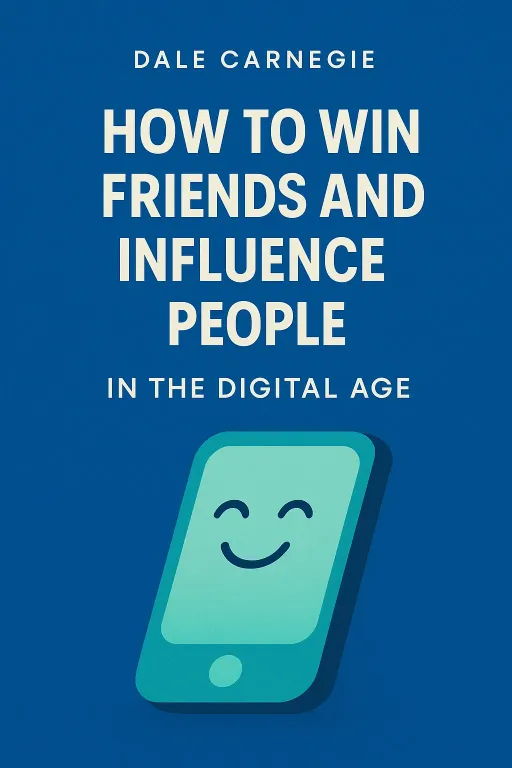
Nova: It absolutely is. And to navigate this, we’re drawing wisdom from two fascinating books. First up, we have Brent Cole’s brilliant adaptation, "How to Win Friends and Influence People in the Digital Age," which re-imagines Dale Carnegie’s timeless advice for our modern online interactions.
Atlas: Carnegie’s original work was groundbreaking for its insights into human psychology and interpersonal skills back in a very different era. The idea of adapting that for the digital age… that’s a tightrope walk. How do you keep the essence without losing it to the ephemeral nature of online life?
Nova: It's all about intentionality, which actually leads us beautifully to our second source: "The Bullseye Principle" by David Lewis and G. Riley Mills. These authors, with their backgrounds in executive communication, developed a framework for ensuring your message lands exactly where you intend it to. It's about clarity of purpose.
Atlas: That makes me wonder, how do you combine the of Carnegie with the of a bullseye? For those of us who process information deeply and want our actions to have tangible impact, this sounds like a potent blend.
Adapting Timeless Principles for Digital Connection
SECTION
Nova: It really is. Let's start with Cole's adaptation. Carnegie's foundational advice—active listening, showing genuine interest, finding common ground—these were revolutionary in their time. But how do you when you're in a Zoom meeting with 20 people and your inbox is pinging?
Atlas: Hold on, that’s the million-dollar question, isn't it? For someone leading remote teams, for instance, genuine interest can easily be misconstrued. How do you show you care about their well-being without it feeling like you're micromanaging or, worse, surveilling their digital footprint?
Nova: That's a crucial distinction, and Cole addresses it head-on. It's not about the as much as the. Active listening in a digital context might mean consciously closing all other tabs during a video call, looking directly into your camera, and asking follow-up questions that demonstrate you were present, not just passively consuming. It’s about signaling your full attention.
Atlas: Okay, so it’s about making your felt, even when you're physically absent. That’s a subtle but powerful shift.
Nova: Absolutely. And genuine interest? Online, that translates into thoughtful engagement. Instead of just a generic "like" on a social media post, it's a specific comment that references something they said or did, showing you actually it. Or sending a personalized email that references a previous conversation point, proving you remember. It’s about specificity over superficiality.
Atlas: I can see that. It’s about moving beyond the transactional click to a meaningful interaction. But what about finding common ground? When you’re dealing with diverse, sometimes global teams, or even just differing viewpoints in an online forum, that common ground can feel like shifting sand.
Nova: That’s where the art comes in. Cole emphasizes looking for shared values, aspirations, or even challenges, rather than just shared hobbies. Perhaps it’s a common goal for a project, a shared frustration with a particular workflow, or a universal human experience. He suggests seeking out those deeper currents that connect us, even if our surface expressions are different. It’s about intellectual curiosity and emotional intelligence in action.
Atlas: That’s actually really inspiring. So, it's not about manufacturing commonality, but about uncovering the deeper, often hidden, connections that already exist. It speaks to that desire for authentic connection, even in the most structured digital environments. It reminds me of the tiny step recommended: before your next important digital interaction, identify your core intention and one specific way to show genuine interest. It’s a deliberate act.
Nova: Precisely. It demands a level of conscious effort that might feel counter-intuitive in a world designed for instant gratification. But that effort is what separates genuine connection from mere communication.
Intention-Based Communication: Hitting the Bullseye
SECTION
Nova: And this idea of conscious effort and identifying your core intention leads us perfectly to our second deep dive, because it’s not just about we connect, but and we're trying to achieve with that connection. Lewis and Mills’ "The Bullseye Principle" is all about ensuring your message hits its mark.
Atlas: That sounds incredibly strategic. For leaders and growth architects, wasted communication is wasted time and impact. But how do you define "hitting its mark" in a world where everyone is bombarded with information?
Nova: That’s where intention-based communication comes in. It’s a framework that forces you to clearly define your purpose you communicate. Are you trying to inform, persuade, inspire, collaborate, or simply build rapport? Each intention requires a different approach, a different delivery. Think of it like an archer: you don't just shoot an arrow; you aim at a specific target.
Atlas: So, it’s not just about crafting the perfect words, but about understanding the desired for the audience. Can you give an example?
Nova: Absolutely. Imagine you're a leader addressing your team about a new company policy. If your intention is simply to, your communication might be a concise email with clear bullet points. But if your intention is to them to embrace this change, your message needs to be delivered differently—perhaps a town hall meeting, explaining the "why," addressing concerns, and inviting questions. The format, the tone, the level of detail—it all shifts based on that core intention.
Atlas: That makes sense. I’ve been in meetings where the speaker clearly had one intention, but the audience perceived another, and the whole thing just fell flat. It feels like a fundamental breakdown. How do Lewis and Mills help you tailor the delivery to resonate?
Nova: They emphasize understanding your audience's needs, their context, and what's important. It's not just about what want to say, but what need to hear and how they need to hear it. For example, a "strategic leader" might need data and logic, while someone driven by "meaningful impact" might respond better to stories and vision.
Atlas: That’s a powerful distinction. So, it’s about empathy in action, isn't it? It’s not about manipulating, but about truly understanding the receiver so your message lands with maximum clarity and impact. It’s about ensuring that the message isn't just heard, but and.
Nova: Precisely. It’s the ultimate act of respect for your audience. And when you combine this with Cole’s insights on genuine interest and active listening in the digital age, you create a powerful synergy. Your intention isn't just to a message, but to understanding and connection.
Atlas: That makes me wonder, how do you prevent this strategic approach from becoming overly analytical and losing the human element? For someone who values authentic connection, the idea of "tailoring delivery" could feel a bit... manufactured.
Nova: That’s the beauty of combining these ideas. The "Bullseye Principle" gives you the for clarity, but it's Cole's adaptation of Carnegie that reminds you to infuse it with and. Your intention shouldn't just be "to inform," but "to inform," or "to persuade." The authenticity comes from the behind the intention. It’s about being present, even when you're pixelated.
Synthesis & Takeaways
SECTION
Nova: What we're really talking about today is moving beyond just "communicating" in the digital age to truly "connecting" and "influencing" with integrity. It’s about being deliberate in an often-unthinking world.
Atlas: It feels like the ultimate challenge for strategic leaders and growth architects today—to be both incredibly effective and profoundly human. That deep question we posed earlier: How can you translate the timeless principles of human connection into your daily digital interactions without losing authenticity? I think the answer lies in this powerful blend.
Nova: I agree. It’s about applying the precision of the Bullseye Principle to define your purpose, and then layering in the genuine interest and active listening from Cole's modern Carnegie. Authenticity isn't lost; it's amplified by the clarity of your intent and the sincerity of your engagement.
Atlas: So, that tiny step of identifying your core intention and one specific way to show genuine interest before your next digital interaction—that's not just a quick tip. It's a foundational practice for anyone who wants to build meaningful impact and foster authentic connections in this complex digital landscape. It’s the resilient philosopher’s approach to the digital age.
Nova: Exactly. It's about bringing your whole, intentional, authentic self to every interaction, no matter the screen.
Atlas: And in doing so, transforming digital noise into meaningful dialogue.
Nova: Absolutely. What a journey.
Atlas: A deeply insightful one.
Nova: This is Aibrary. Congratulations on your growth!