The 'Investor Storytelling' Blueprint: How to Fundraise Without Feeling Like a Salesperson.
Golden Hook & Introduction
SECTION
Nova: Atlas, I’m going to throw out some words, and I want you to tell me the first thing that comes to mind. Ready?
Atlas: Oh, I like this. Hit me.
Nova: “Fundraising.”
Atlas: Ugh. Salesy.
Nova: Exactly! That single word, “salesy,” captures so much of the dread and discomfort people feel when they think about raising capital. It’s often perceived as this performative act, a necessary evil, rather than what it truly is: clear communication.
Atlas: That word resonates so deeply. I imagine a lot of our listeners, especially those driven by building and making an impact, feel that exact same resistance. It’s like they have to put on a different hat, almost a mask, to go ask for money.
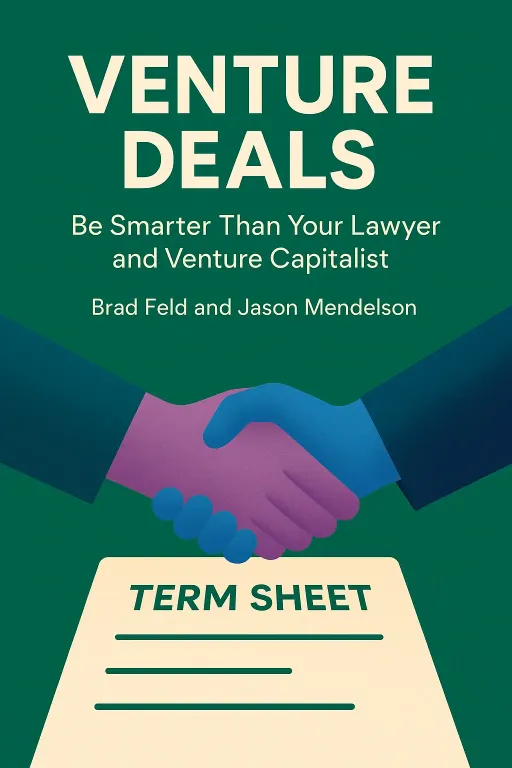
Nova: And that’s precisely why we're diving into what we call the 'Investor Storytelling' Blueprint today. We're drawing on the wisdom of some absolute titans in the world of venture capital and startups, like Brad Feld and Jason Mendelson from their seminal work, “Venture Deals,” and the legendary Guy Kawasaki, whose “Art of the Start 2.0” is a masterclass in igniting belief.
Atlas: Kawasaki, the original Apple evangelist! That’s a name synonymous with inspiring passion.
Nova: Absolutely. His background, essentially helping Steve Jobs launch a tiny computer company into a global phenomenon, gives him unparalleled insight into how to make people believe in a vision, even when the product is still in its infancy. And Feld and Mendelson? They’re the real-deal VCs, founders of Foundry Group, who’ve seen thousands of pitches and written the book on what works.
Atlas: So, we’re talking about transforming that 'salesy' feeling into something more authentic and compelling. That’s a huge shift in mindset.
The Narrative Imperative: Why Investors Need a Story, Not Just Data
SECTION
Nova: We are. The cold, hard fact is that fundraising often feels like a performance, but it’s truly about clear communication. Investors aren't just looking for numbers; they need a compelling narrative. This is how you bridge that gap. Feld and Mendelson highlight that the best pitches tell a story of.
Atlas: Okay, but wait. Looking at this from a practical, impact-driven perspective, isn’t that risky? Aren't investors, these highly analytical people, primarily driven by the hard data, the spreadsheets, the current metrics?
Nova: That’s a fantastic question, and it gets to the heart of a common misconception. While data is crucial – it provides the foundation, the proof points – it’s rarely what truly captures an investor’s imagination or secures their commitment. Think of it like this: a movie studio doesn't sell tickets by showing you a spreadsheet of production costs and projected box office revenue. They sell you a.
Atlas: Right, like a two-minute glimpse into an epic adventure.
Nova: Exactly! That trailer, that story, shows you the characters, the conflict, the potential resolution, the impact. It creates an emotional connection and makes you to see the full film. Investors are exactly the same. They're trying to project into the future, to see the blockbuster that your company could become. You’re not just showing them current metrics; you're showing them the market opportunity and your team's unique ability to capture it.
Atlas: So, it's about painting a vivid picture of the. Can you give an example?
Nova: Of course. Imagine two early-stage founders pitching an AI solution. Founder A meticulously details their current user growth, their algorithm's technical specifications, and their Q1 revenue numbers. All facts, all data. Founder B, on the other hand, starts by telling a story about a patient struggling with a rare disease, how current diagnostic tools are failing them, and then introduces their AI as the revolutionary solution that will fundamentally change how doctors diagnose, saving countless lives and opening up a multi-billion dollar market.
Atlas: Wow. The second founder isn't just selling software; they're selling a future where a massive problem is solved. The impact is clear.
Nova: Precisely. The data supports Founder B's story, but the story itself makes the opportunity irresistible. It connects on an emotional level, taps into a vision for a better future, and allows the investor to see themselves as part of that world-changing journey. That’s Nova’s Take: a strong investor story combines hard data with a compelling vision, making your opportunity not just viable, but irresistible. It answers the question, “What incredible future are we building together?”
From Pitch to Persuasion: Crafting Your Concise and Passionate Investor Story
SECTION
Atlas: That makes so much sense. It’s about translating the numbers into human impact and potential. So, if we agree a story is crucial, how do we actually that story without sounding like we’re just making things up or being overly dramatic? For someone who’s driven by genuine impact, not just profit, how do they convey that passion authentically without feeling like they’re putting on a show?
Nova: That’s the critical next step, and it’s where Guy Kawasaki’s insights really shine. He emphasizes the importance of a concise, passionate pitch that truly resonates. Your story needs to be simple, memorable, and, most importantly, inspire belief in your vision. It’s not about being dramatic; it’s about being clear and compelling.
Atlas: Concise, memorable, inspiring belief. That sounds incredibly difficult when you’ve poured years of your life into a complex idea. You want to share.
Nova: I totally know that feeling. But that's where the discipline comes in. Kawasaki famously advocated for principles that boil down to extreme brevity and clarity. He taught that you need to distill your entire enterprise down to its absolute essence. It’s about cutting through the noise and focusing on the core problem you solve, your unique solution, and the massive future impact you'll create. It's about making your vision so clear, so captivating, that an investor can grasp it, repeat it, and believe in it, all within a few moments.
Atlas: So, it’s not about dumbing it down, but sharpening it up. Like a diamond.
Nova: Exactly! Think about the difference between two pitches for a new social media app. One founder drones on about backend architecture, user acquisition funnels, and complex algorithms. The other says, "We're building a platform where creators get paid directly for their content, cutting out the middleman and empowering a new generation of artists."
Atlas: Oh, I see. The second one immediately makes me think, "Finally, someone solving that problem!" It's simple, it's clear, and it taps into a current pain point.
Nova: And it evokes passion. That passion isn't about shouting; it's about genuine conviction in the problem you're solving and the solution you're bringing to the world. It’s about connecting your deep purpose to the opportunity. For our listeners who are driven by impact, this is where your authentic self shines. Your story isn't just about the business; it's about you're building this business, the change you want to see.
Atlas: That’s actually really inspiring. It reframes fundraising from a transactional chore to an opportunity to share your deepest motivation. So, what’s a tiny, actionable step someone can take to start crafting this kind of story?
Nova: The tiny step, the one actionable thing you can do right now, is to draft a one-page narrative for your product or venture. Focus on three things: the problem you're solving, your unique solution, and the future impact you'll create. Don't worry about perfect prose or every single detail. Just get the core story down. This simple exercise forces you to distill your vision into its most potent form, making it simple, memorable, and inspiring.
Synthesis & Takeaways
SECTION
Nova: Ultimately, investor storytelling isn't about tricking anyone or being disingenuous. It's about clarity, vision, and aligning your impact with opportunity. It’s about inviting investors into a shared future, showing them not just what, but what. The best stories are deeply rooted in truth and data, but they transcend those facts to create belief, to spark that feeling of, "Yes, I want to be a part of that."
Atlas: That’s such a hopeful way to look at something that often feels so daunting. It transforms fundraising from a burden into an act of leadership, of envisioning a better future and inviting others to build it with you. That one-page narrative sounds like a powerful tool to get that clarity.
Nova: It truly is. It's an exercise in conviction, in understanding the profound significance of what you're building. When you can articulate that, the numbers become evidence for a compelling vision, not just isolated facts.
Atlas: A powerful story doesn't just ask for money; it asks for partnership in creating something meaningful.
Nova: Precisely. This is Aibrary. Congratulations on your growth!