Stop Overthinking, Start Speaking: The Guide to Conversational Fluency.
Golden Hook & Introduction
SECTION
Nova: Atlas, what’s the most awkward conversation you've ever been trapped in?
Atlas: Oh man, Nova, that's easy. Any time someone asks me to "just speak English naturally" after I've spent an hour memorizing vocabulary. My brain just blue-screens. It's like I have all the ingredients for a gourmet meal, but I've forgotten how to turn on the stove. Just…. Silence.
Nova: Exactly! That’s the universal struggle we’re diving into today. That frustrating, almost embarrassing moment where you know all the words, perhaps even the grammar rules, but when it’s time to actually, to connect, the words just… vanish. We're talking about the gap between passive knowledge and active, confident communication. And for our listeners, especially those who learn with purpose and value practical application, that gap can feel like a chasm.
Atlas: Oh, I know that feeling. It's like you've built this incredible library of knowledge, but the door is locked from the inside. How do we even begin to bridge that?
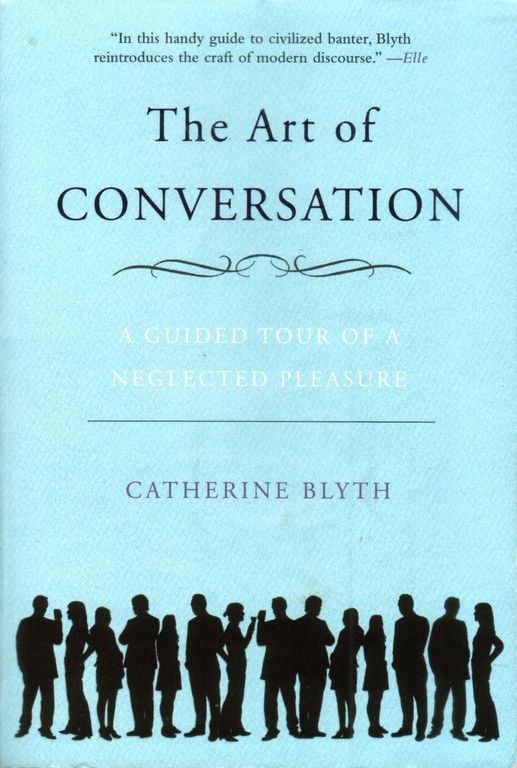
Nova: Well, we’re going to explore this through the lens of some brilliant minds, including Catherine Blyth, who wrote "The Art of Conversation." What’s fascinating about Blyth is her background. She wasn't a psychologist or a typical self-help guru. She was a literary editor, someone who dissected language and narrative for a living. And she turned that razor-sharp analytical skill to the seemingly simple act of talking to one another. Her book was widely lauded for bringing intellectual rigor to a topic often dismissed as light social etiquette. It gave conversation the respect it deserved.
Atlas: That’s actually really inspiring. So, she approached it from a place of understanding language itself, not just superficial tips? That makes me wonder, what did her unique perspective reveal about why we freeze up, even when we have all the words?
The 'Freeze' Phenomenon: Understanding the Gap Between Knowing and Doing
SECTION
Nova: Precisely. The cold fact, as we call it, is that knowing many words isn't enough. The real challenge is building the confidence and flow to use what you know naturally. Think about it: you can recognize thousands of English words when you read them. That’s passive knowledge. But can you them instantly, coherently, and engagingly in a live conversation? That's active communication, and it's a completely different muscle.
Atlas: So you’re saying it’s not just a vocabulary problem? Because I imagine a lot of our listeners, especially the practical learners, are constantly trying to expand their word bank, thinking that's the ultimate solution.
Nova: It’s definitely not vocabulary. That's a foundational piece, yes, but it’s like having a fully stocked kitchen with every ingredient imaginable. Knowing what a truffle is doesn't mean you can cook a Michelin-star dish with it. The challenge is often psychological: performance anxiety, overthinking grammar in real-time, the fear of making mistakes, or simply the lack of practice in those words into fluid thoughts. It's moving from recognition to production, and that's where the 'freeze' happens.
Atlas: Huh. So it's not just about sheer repetition, then? Because a lot of advice out there feels like "just practice more." But if the practice isn't addressing the problem, it could just reinforce the anxiety.
Nova: Exactly! Practice is key, but it's the and of that practice that truly matters. We need a bridge from passive knowledge to active communication. It’s not just about accumulating more bricks; it’s about learning how to build with them, how to lay them down smoothly to create a structurally sound and beautiful conversation. And that bridge requires understanding conversation itself as a skill.
Conversation as a Skill: From Awkward Silence to Meaningful Connection
SECTION
Nova: And this is where Catherine Blyth's "The Art of Conversation" and Carmine Gallo's "Talk Like TED" become so illuminating. They reveal that conversation isn't some magical gift bestowed upon a lucky few; it’s a trainable skill. Blyth, with her literary editor's precision, dissects the elements of good conversation: active listening, asking insightful questions, knowing how to open and close topics gracefully, and building genuine rapport.
Atlas: Okay, so what’s a tangible takeaway from Blyth’s work for someone who feels stuck in those awkward silences? For someone who just wants to talking and not feel like they're in a job interview?
Nova: Blyth emphasizes the power of curiosity. A good conversationalist is often a good listener first. It’s about genuinely being interested in the other person, asking open-ended questions that invite stories, not just yes or no answers. It's about making them feel heard and understood. Now, Gallo, on the other hand, in "Talk Like TED," focuses more on public speaking, but his core tenets—passion, storytelling, and practice over perfection—are incredibly relevant. He shows how compelling narratives and authentic delivery captivate an audience, whether it's a crowd of thousands or just one person across the table.
Atlas: That makes sense. For our listeners who are focused achievers, driven by a purpose to master English, I imagine they want their interactions to be meaningful, not just filler. They want to connect. So, how do these insights combine to help someone who's not just looking to but to?
Nova: They converge beautifully. Both authors, in their own way, highlight that at the heart of great communication is genuine connection and authenticity. Blyth teaches us the dance steps of interaction, while Gallo reminds us to bring our whole, passionate selves to the floor. It's about moving past the mechanics of grammar and vocabulary to the heart of what makes human interaction so rich and rewarding.
Structured Practice and Human Connection: The Bridge to Conversational Fluency
SECTION
Nova: And this brings us to what we call "Nova's Take" – the powerful synergy of structured, deliberate practice and genuine human connection. It's the ultimate bridge to conversational fluency. Structured practice isn't just mindless repetition. It's about setting tiny, achievable goals. Like the Tiny Step we suggest: find one new person to have a five-minute English conversation with this week, focusing on listening more than speaking.
Atlas: Hold on, so it’s not just "go talk to people," but "go talk to people with a specific, mindful intention, even if that intention is just to listen"? That’s a subtle but significant shift.
Nova: Absolutely. That deliberate focus transforms the interaction. You're not just fumbling for words; you're actively practicing a skill: active listening, asking follow-up questions, narrating a simple experience, or even just maintaining eye contact. And when you combine that structured practice with an understanding of human connection—empathy, genuine curiosity, the desire to truly understand—practice stops being a chore and becomes a rewarding interaction. It’s about moving from "performing" to "connecting."
Atlas: I can see how that would directly address the "conversational English" and "practical application" goals many of our listeners have. It takes the pressure off "being perfect" and puts it on "being present and engaged." It’s making the process itself the reward.
Nova: Exactly. It's about trusting your focused intention. You have a purpose, you're driven to master this skill, and that's your superpower. Allow yourself moments of creative exploration, too. Don't just stick to the script in your head. Listen, respond, and let the conversation unfold naturally. That’s where the flow truly begins. It’s a journey from rigid learning to fluid, natural expression.
Synthesis & Takeaways
SECTION
Nova: So, to synthesize our journey today: the "freeze" is real, and it’s a common experience for anyone learning a new language. But it’s not a personal failing; it’s a skill gap. The powerful insight from experts like Catherine Blyth and Carmine Gallo is that conversation is a learnable craft. The bridge to fluency is built by combining deliberate, structured practice—even tiny steps like focusing on listening for five minutes—with genuine human connection and empathy. It’s about understanding that speaking isn't just about words; it's about building meaningful interactions.
Atlas: That’s a great way to put it. It’s an empowering thought, knowing that fluency isn't a gift you either have or don't, but a skill you can cultivate. For our listeners who are purpose-driven and practical learners, this framework offers a clear path forward, moving beyond just vocabulary to actual, impactful communication.
Nova: Yes, and the most important mindset shift is to trust your focused intention. You're already driven. Now, channel that drive into consistent, mindful practice, even the tiny steps. This isn't about perfection; it's about progress, connection, and ultimately, liberation in your communication.
Atlas: I love that. Liberation. It's about finding that authentic voice.
Nova: Absolutely.
Atlas: This is Aibrary. Congratulations on your growth!