The 'Narrative Trap': How Stories Shape Our Reality and Our Future.
Golden Hook & Introduction
SECTION
Nova: Alright, Atlas, quick pop quiz for our listeners. "The Narrative Trap." What do you think that even means? Give me your wittiest, most cynical take.
Atlas: Oh, "The Narrative Trap." That's when you finally realize your entire life has been a carefully constructed, yet utterly unfulfilling, prequel to someone else's much more interesting story. And you're stuck in it!
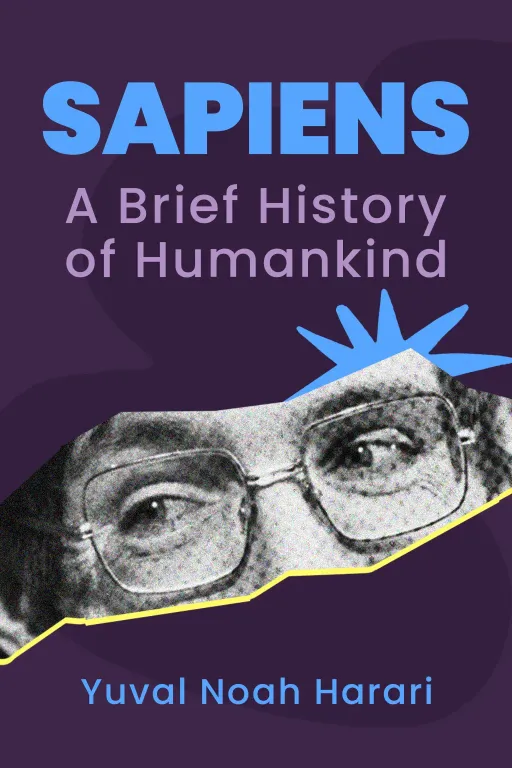
Nova: Ha! Close enough for jazz, my friend! But also, much deeper. Today, we're diving into a concept that's as profound as it is practical: "The Narrative Trap." It’s a powerful idea inspired by the likes of Yuval Noah Harari, the historian behind, and John Yorke, the legendary BBC story editor.
Atlas: Wait, so we're talking about... lies? Or just really convincing tall tales? Because my internal strategic architect is already wondering if I've been caught in one.
Nova: Not lies, exactly, but shared fictions. Harari, with, really opened our eyes to the astonishing truth that human civilization isn't built on hard facts alone. It's built on our unique ability to believe in collective myths. Think about it: nations, money, corporations—these only exist because enough of us agree to believe in their stories. It’s a profound insight, revealing the invisible architecture of our world.
Atlas: That makes me wonder about the foundations of everything I've ever taken for granted.
The Invisible Architecture: How Shared Narratives Build Civilizations
SECTION
Nova: Exactly. We often see the world as a collection of objective facts, but much of human civilization, from the smallest tribe to the largest global economy, is actually built on these shared stories. Harari's argument is that this capacity for believing in common fictions is humanity's superpower. It's what allows millions of strangers to cooperate effectively, far beyond the limits of any other species.
Atlas: But how does that actually work? Are you saying my company's mission statement, which we spent months crafting, is just a 'fiction'? That sounds a bit like... manipulation, doesn't it? For someone trying to build a lasting legacy, understanding this seems critical.
Nova: It’s not manipulation in the malicious sense, Atlas, but rather the fundamental operating system of human society. Think about money. A piece of paper, or even a number in a bank account, has no inherent value. It's just ink and pulp, or pixels.
Atlas: Right, it's just paper. Or a digital entry.
Nova: But because we to believe in the story that this piece of paper represents value, it allows for incredibly complex global trade, investment, and cooperation. That's a shared fiction in action. Or take a nation like France. Where is France, physically? You can point to its borders, but those are lines on a map, agreed upon by people. The of France, its culture, its history, its shared destiny – that’s the powerful narrative that binds millions of individuals who will never meet each other, enabling them to cooperate, pay taxes, fight for a common cause.
Atlas: So it's not the physical territory, or the gold itself, but the we tell about its value or its identity. That’s fascinating. For someone trying to build a lasting legacy, like securing generational wealth, how do you a powerful shared fiction, or at least leverage an existing one? It feels like the stakes are incredibly high if our entire reality is this mutable.
Nova: Precisely. The stakes are immense. And the first step is recognizing that these narratives exist, that they are constructed, and that they can be refined. It's about shifting from seeing the world as purely objective to understanding its narrative undercurrents. This awareness is a strategic advantage, whether you're leading a C-suite team or guiding your family's future. It allows you to question the dominant stories and, crucially, to begin crafting your own.
Mastering the Blueprint: The Universal Structures of Persuasion Through Story
SECTION
Nova: And that naturally leads us to the second key idea we need to talk about. If shared myths build civilizations, then individual stories are the blueprints for influencing within them. This is where John Yorke’s work in becomes indispensable. He breaks down the universal structures that make stories so incredibly compelling and persuasive.
Atlas: Universal structures? Like every story is the hero's journey? Give me a real-world example of this in action, maybe beyond Hollywood. Because my brain is already trying to connect this to how I communicate strategic visions or family values.
Nova: Absolutely. It’s more fundamental than just the hero's journey, although that's certainly part of it. Yorke argues that all compelling narratives, from ancient myths to modern advertisements, follow predictable patterns. Think of the classic three-act structure: setup, confrontation, resolution. It’s not just for movies; it's how we process information and make sense of change.
Atlas: Okay, so how does that translate into, say, a business context? How does a strategic architect use a three-act structure to, for example, convince their board to invest in AI innovation?
Nova: Perfect example! Let’s say you’re pitching that AI initiative. The "setup" is the current state – the challenges, the market pressures, the missed opportunities. You establish the 'ordinary world' of the company. The "confrontation" is the problem that AI solves, the obstacles to adoption, the risks, and the struggle to overcome them. You introduce the 'inciting incident' that demands change. And the "resolution" is the vision of the future – the success, the growth, the competitive advantage, the new, better 'ordinary world' that emerges.
Atlas: That makes so much sense! It's not just listing features; it's building a journey. You’re not just presenting facts; you're creating an emotional arc that moves people. So, if I'm trying to refine my organization's narrative or even articulate a long-term vision for generational wealth, I need to understand blueprints. This sounds like the difference between just presenting facts and actually moving people to action.
Nova: Exactly. Yorke reveals that these structures tap into deep psychological needs for meaning, order, and transformation. When you understand them, you can craft narratives that don't just inform, but genuinely persuade and inspire. It’s about recognizing that whether you're selling a product, leading a team, or simply trying to instill values in your family, you're always telling a story. The question is, are you telling it effectively? Are you using the universal blueprints that resonate with the human psyche?
Synthesis & Takeaways
SECTION
Nova: So, what we're really uncovering here is that narratives aren't just entertainment; they are the invisible forces that build our world and the powerful tools that shape our future. From the grand, shared fictions that enable nations to the meticulously crafted stories that persuade individuals, understanding them is paramount.
Atlas: It’s a crucial shift in mindset. You're saying the stories we tell, and the stories we believe, are as powerful as any technology or financial model in shaping our collective destiny. For our listeners, especially those trying to navigate executive transitions, secure generational wealth, or drive AI innovation, what's the immediate takeaway? How do they begin to identify and refine their core narrative?
Nova: The immediate takeaway is self-awareness. What is the core narrative currently driving your organization? What stories does your family tell about its past, present, and future? Are those stories serving you, or are they a 'narrative trap' holding you back? Once you identify them, you can consciously begin to refine them for greater impact, aligning them with your strategic goals and your vision for a lasting legacy. It's about moving from being a passive participant in existing narratives to becoming an active, intentional storyteller of your own future.
Atlas: That’s actually really inspiring. It means we have more agency than we often realize. The power isn't just in the facts, but in the story we choose to tell around them.
Nova: Indeed. Congratulations on your growth!
Atlas: This is Aibrary. Congratulations on your growth!