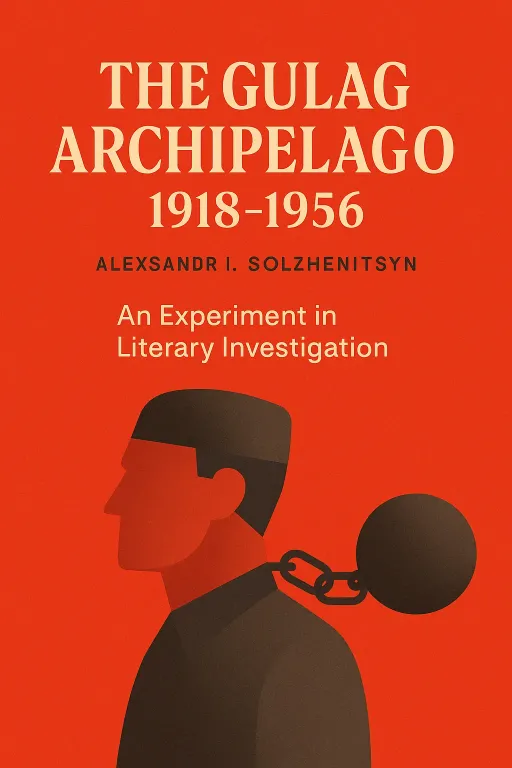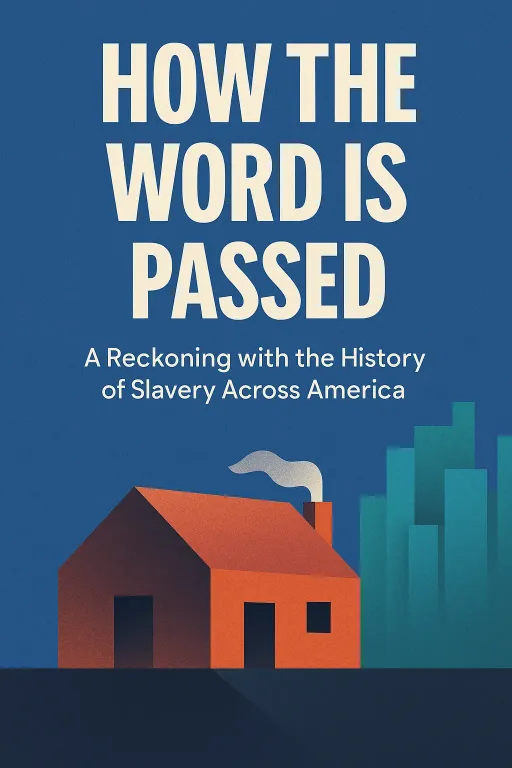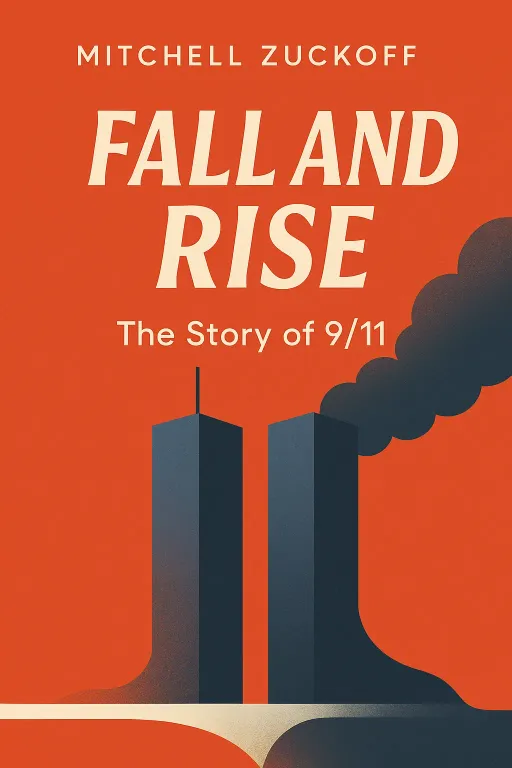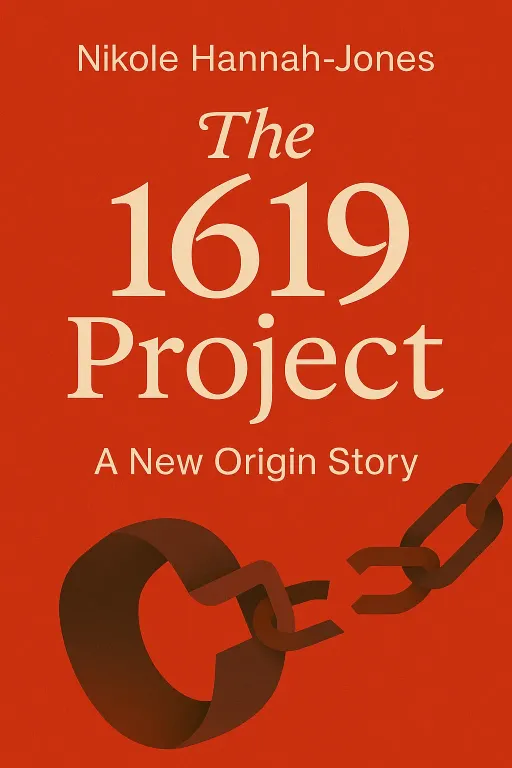
Recommended Reading for Today
Golden Hook & Introduction
SECTION
Nova: Atlas, quick question for you. What's the most unexpected thing you've ever done to "future-proof" your mind?
Atlas: Future-proof my mind? Sounds like something out of a sci-fi novel about cybernetic implants. Or maybe just... eating more blueberries? I'm picturing a digital firewall for my brain, but I suspect you're thinking a bit more analog.
Nova: Exactly! No brain chips required... yet. Today, we're diving into something far more ancient, yet more powerful than any algorithm for building robust defenses and designing enduring solutions. We’re talking about "Recommended Reading for Today," but not in the way you might expect.
Atlas: Ah, so you're saying the "books" aren't physical objects, but more like... strategic intellectual frameworks? For someone who builds systems and fortifies defenses, that's a fascinating reframe. How do we turn that abstract idea into something that actually helps an architect build, well, better architecture?
Nova: Precisely. We're looking at reading as a strategic tool. It's about cultivating the kind of profound insights into personal growth, technology, and human nature that allows you to anticipate challenges before they even appear on the horizon. It's the ultimate proactive defense, not just against external threats, but against intellectual stagnation.
Atlas: Okay, so it's less about a reading list and more about a mental toolkit. I can definitely get behind that. For our listeners who are constantly thinking about structure, strategic foresight, and designing enduring solutions, how does this strategic reading practice actually translate into real-world impact? Where do we even start?
Strategic Foresight & Systems Thinking: Building Resilient Structures
SECTION
Nova: Let's start with strategic foresight and systems thinking. Most people think of reading for technical skills, which is vital, of course. But the real architects of the future, the ones building truly resilient structures, they don’t just read about their domain. They read it. They read history, philosophy, even great literature.
Atlas: Hold on. How does reading, say, a historical account of ancient Rome help me prevent a sophisticated cyberattack on a modern infrastructure system? That sounds a bit like trying to fix a jet engine with a quill and parchment.
Nova: That’s a great question, and it’s where the magic happens. Think of it like this: an engineer designing a skyscraper doesn't just study steel and concrete. They study geology, wind patterns, seismic activity, even the flow of human traffic the building. They're looking at the as a whole, not just the components.
Atlas: Right, they're building context.
Nova: Exactly. Reading history, for instance, trains your mind to recognize patterns of collapse, cycles of innovation, and the perennial flaws in human decision-making that often lead to systemic vulnerabilities. You see how empires fall, how technologies are misused, how power structures shift. These aren't just stories; they're case studies in resilience and failure.
Atlas: So, you're saying that by understanding the fall of a historical empire, I might gain insight into the potential failure points of a modern digital empire? That's a powerful analogy. It’s like studying a thousand bridge collapses to build one that truly endures.
Nova: Precisely! Or, consider philosophy. It teaches you to question assumptions, to identify underlying biases, and to construct robust logical arguments. For someone building robust defenses, that means you're not just patching vulnerabilities; you're challenging the very design principles that might have created those vulnerabilities in the first place. You're building a deeper, more theoretical understanding of 'what could go wrong' before it even manifests.
Atlas: That makes sense. It's not just about knowing to protect, but it needs protecting, and understanding the fundamental nature of the threats. It's about getting ahead of the curve, seeing the weak signals before they become full-blown crises. What about practical examples? How does this translate into a concrete strategic advantage for someone in cybersecurity, for instance?
Nova: Imagine an architect of digital security. They've read deeply about game theory, about human psychology, about the history of espionage. Suddenly, when a new zero-day exploit emerges, they don't just see a technical vulnerability. They see a potential adversary's motivation, the likely attack vectors based on human error, the incentives at play. They can anticipate the move, not just react to the current one. It allows them to design not just firewalls, but.
Atlas: So, it's about building a multi-layered defense that anticipates the human element as much as the technical one. That's a significant shift from just patching systems. It's about designing a system that's truly resilient, not just hardened. It’s like a guardian who understands the landscape, not just the fortress walls.
Ethical Leadership & Human Connection: Guiding the Future of Security
SECTION
Nova: And that naturally leads us to the second key idea: ethical leadership and human connection. Because the most brilliant technical solutions, the most robust defenses, are ultimately built, maintained, and sometimes compromised by people.
Atlas: I’ve been thinking about this a lot. We can build the strongest digital fortresses, but if the people inside aren't connected, aren't ethically aligned, or aren't led well, those defenses can crumble from within. But how does reading help with that? Isn't ethical leadership more about experience and innate qualities?
Nova: Experience is crucial, but reading accelerates and deepens that learning. Think about biographies of great leaders, or philosophical texts on ethics and morality. They offer distilled wisdom from centuries of human struggle and triumph. They show you the consequences of different ethical frameworks, the complexities of human motivation, and the power of empathy.
Atlas: You’re saying that by immersing myself in the ethical dilemmas faced by historical figures or philosophical arguments, I can better navigate the moral maze of, say, AI development or data privacy today?
Nova: Absolutely. Consider the challenge of ethical AI. It's not just a technical problem; it's a profound philosophical one about fairness, bias, and accountability. Reading deeply into ethics doesn't give you a checklist; it gives you a for asking the right questions, for anticipating unintended consequences, for leading a team in developing technology responsibly. It helps you articulate certain ethical lines must not be crossed.
Atlas: That’s a powerful point. For someone who wants to shape the cybersecurity landscape responsibly, understanding the philosophical underpinnings of ethical decision-making seems critical. It’s about more than just compliance; it’s about deep conviction.
Nova: Exactly. And then there's human connection and mentorship. The Architect isn't just building systems; they're also building teams, empowering the next generation. Reading literature, for example, develops empathy. It puts you into the minds of diverse characters, forces you to understand different perspectives, motivations, and emotional landscapes.
Atlas: So, understanding fictional characters' struggles could help me connect better with my team members, or design more effective mentorship programs? That feels counterintuitive to someone whose world is often defined by logic and code.
Nova: It's surprisingly effective. When you've explored the complexities of human relationships in a novel, you're better equipped to navigate the nuances of team dynamics. You learn to listen actively, to understand unspoken concerns, to inspire trust. It’s not about being "soft;" it's about being profoundly in influencing and guiding people. For a Guardian of the future, understanding human nature is paramount. You can build the most secure system, but if your team is disengaged or lacks trust, that system is vulnerable. Reading helps you build a more secure foundation.
Atlas: I see. It's about developing a robust 'human operating system' as much as a technical one. The desire to protect isn't just about firewalls; it's about protecting the people and values that those systems serve. And mentorship frameworks need to be built on a deep understanding of human growth, not just skill transfer.
Synthesis & Takeaways
SECTION
Nova: Precisely. So, what we're really talking about today isn't a book list, but a philosophy of intellectual engagement. For the architect, the guide, the guardian, it’s about reading strategically to cultivate both profound strategic foresight ethical leadership. It's the ultimate robust defense for the future: a mind that is both technically brilliant and deeply human-centered.
Atlas: That's a truly profound insight. It means that to truly build enduring solutions and lead responsibly, we have to integrate the humanities with the technical. It’s not enough to be smart; you have to be wise. It fundamentally shifts the idea of what 'reading for work' really means.
Nova: It does. It means that your intellectual curiosity isn't a distraction from your practical goals; it's the very engine of your strategic foresight and ethical influence. It’s the difference between building something that and building something that and.
Atlas: So, for our listeners who are ready to embrace this dance between technical mastery and human connection, what's one actionable step they can take today to start cultivating this broader intellectual toolkit?
Nova: Pick up a book, an article, a podcast you wouldn't normally touch—something outside your technical comfort zone. Dive into a historical account, an ethical debate, or even a compelling piece of fiction. Don't look for immediate answers; look for new questions. Look for patterns, for human motivations, for the subtle forces that shape our world. That act of intellectual cross-training is where true strategic foresight begins.
Atlas: That's a fantastic challenge. Expand your intellectual perimeter. I like that.
Nova: This is Aibrary. Congratulations on your growth!