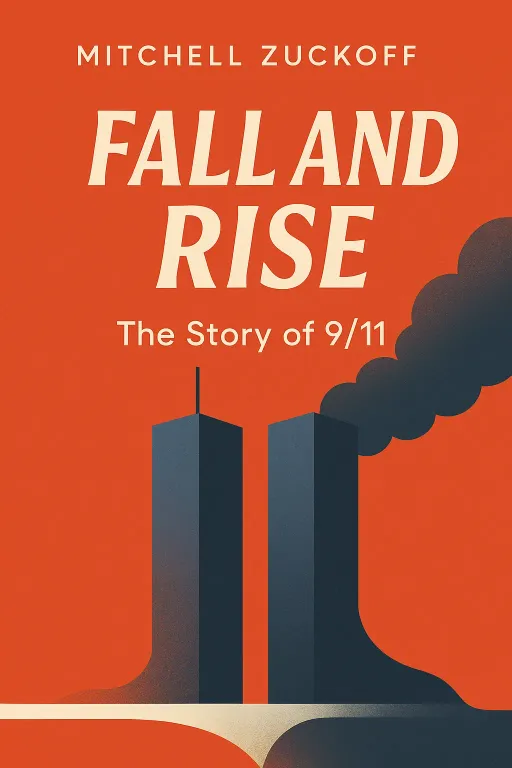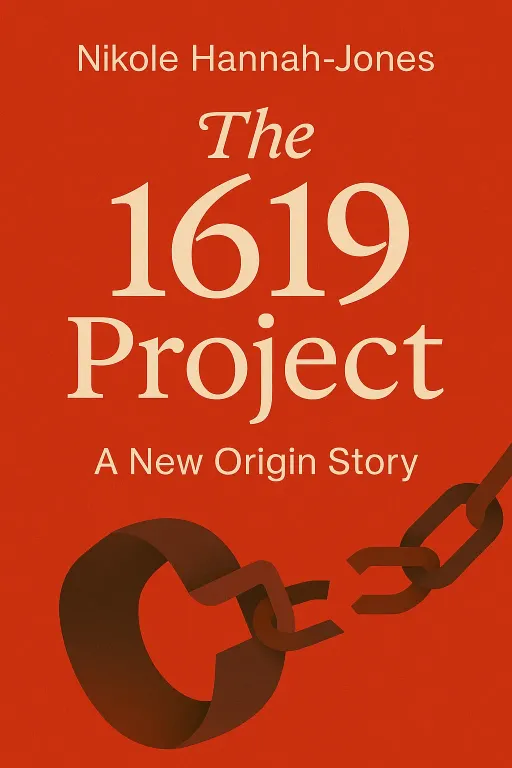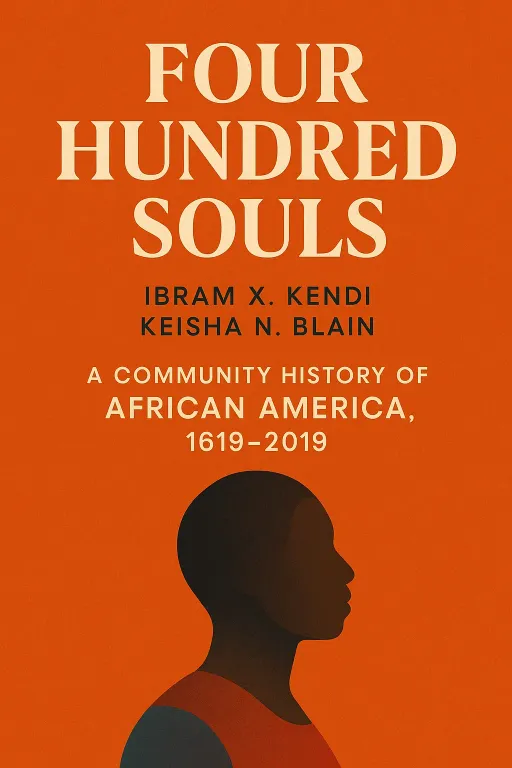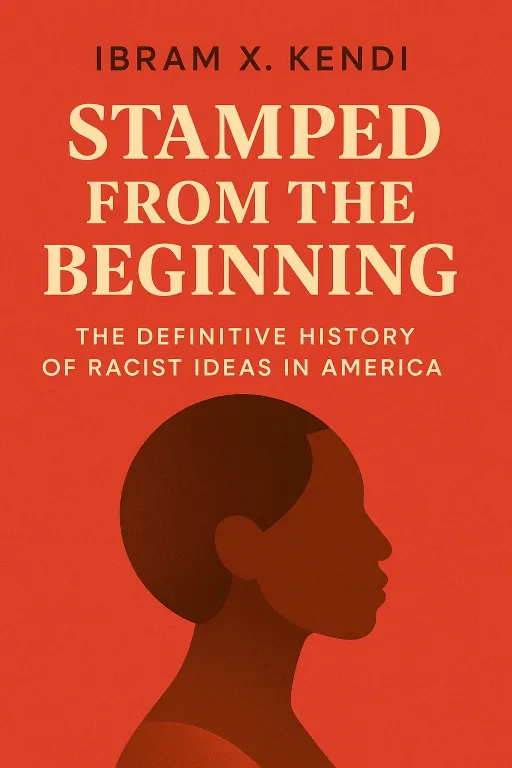
Recommended Reading for Today
Golden Hook & Introduction
SECTION
Nova: What if I told you the best way to understand the world isn't by endlessly scrolling through news feeds, but by getting lost in a really good book? And the best way to understand yourself isn't through endless self-reflection alone, but through someone else's story?
Atlas: Huh. That's a bold claim, Nova. Especially in an age where information is supposedly at our fingertips, twenty-four-seven. Are you saying we should ditch the headlines for dusty tomes?
Nova: Not ditch, Atlas, but elevate. Today, we're not diving into one specific book, but rather the profound impact of a carefully curated reading list – a collection of books designed to spark insight into personal growth, technology, and what it truly means to be human. Think of it less as a reading assignment and more as an invitation to a mental gym for critical thinking.
Atlas: I like that! An intellectual catalyst, as you often say. For any curious learner out there, the idea of a 'recommended reading list' can be both exciting and daunting. How do you even begin to sift through the millions of titles to find those truly transformative insights?
Nova: Exactly. And that's where the magic lies. These aren't just books; they're intellectual tools. And one of the most powerful areas they illuminate is our own inner landscape.
The Transformative Power of Reading for Personal Growth
SECTION
Nova: Let's talk about the transformative power of reading for personal growth. It's easy to think of self-help as a genre, but I’m talking about something deeper. Books here act as both mirrors and mentors, reflecting our inner struggles and guiding us towards new perspectives.
Atlas: But wait, isn't 'personal growth' often just buzzwords? We hear it everywhere. How does reading a book actually someone's ingrained habits or worldview, especially for someone who already thinks deeply and is constantly seeking new knowledge?
Nova: That's a brilliant question, Atlas, and it gets to the heart of it. It's not about superficial tips. Imagine a driven professional, let's call her Anya, who feels perpetually overwhelmed, caught in a cycle of high-achievement and burnout. She's seeking more than just productivity hacks; she wants a fundamental shift.
Atlas: I can definitely relate to that feeling. The constant pressure to do more, be more. What does Anya do?
Nova: She picks up a book. Perhaps one exploring Stoic philosophy, or maybe the science of habit formation, or even a biography of someone who navigated immense adversity with grace. This isn't about quick fixes. It’s about fundamentally shifting her perspective on control, resilience, and purpose. The book introduces her to concepts like the 'dichotomy of control' from Stoicism, helping her distinguish what she influence from what she cannot.
Atlas: So, it's not just absorbing information; it's a re-wiring.
Nova: Precisely! The book becomes a silent mentor, guiding her through internal struggles. It helps her reframe what she perceives as failure, not as an end, but as data. It teaches her to cultivate genuine inner peace amidst the chaos of her demanding life, not by escaping it, but by re-perceiving it. The words on the page create new neural pathways, offering mental models she'd never considered. She starts to see her reactions, her choices, and her environment through an entirely new lens.
Atlas: That makes perfect sense. It’s like cognitive reframing, but guided by centuries of wisdom or cutting-edge research. But for a curious learner who wants insights, how do they choose these books? How do you avoid the fluff and find the true gold that offers that deep mental shift?
Nova: It often comes down to looking for works that challenge conventional wisdom, that offer a unique framework for understanding human behavior, or that present a deeply researched perspective on a specific aspect of the human condition. It’s about seeking out authors who have truly the ideas they write about, or who have dedicated their lives to understanding them. These selections act as intellectual sparring partners, forcing you to confront your own assumptions.
Navigating the Future: Understanding Technology and Human Nature
SECTION
Nova: Speaking of understanding ourselves, our journey wouldn't be complete without grappling with the forces shaping our future – especially the relentless march of technology and its dance with human nature. This is where another set of recommended readings shines, helping us navigate a world changing at warp speed.
Atlas: This feels particularly urgent right now. Every day there's a new AI breakthrough, a new social platform, a new digital dilemma. It’s easy to feel like you're just trying to keep up.
Nova: Absolutely. And that's exactly why these books are so vital. They help bridge the gap between rapid technological change and timeless human truths. Consider another hypothetical: a brilliant technologist, deeply immersed in AI development, let's call him Leo. He's at the forefront of innovation, building incredible tools, but he starts feeling a subtle disconnect. A sense that the 'can we build it?' question is overshadowing the 'should we?' and 'what will it to us as humans?' questions.
Atlas: I imagine many people in tech feel that tension. The speed of development often outpaces ethical reflection.
Nova: Exactly. So Leo turns to books that explore the ethics of AI, the history of technological revolutions, or even classic literature on human ambition and hubris, perhaps Mary Shelley's or even Yuval Noah Harari's. These aren't technical manuals or coding guides. They’re lenses to see the bigger picture. They provide a historical context, showing how previous technological shifts reshaped society, and they prompt profound ethical questions about agency, bias, and the very definition of intelligence.
Atlas: That sounds essential, moving beyond the immediate practicalities to the deeper implications. But with so much noise about tech, how do these books cut through the hype? Are we talking about predicting the future, or something deeper about human resilience and adaptability?
Nova: It’s definitely not about predicting the future in a crystal ball sense. It’s about developing. These books provide mental models to interpret complex changes, to understand systemic impacts, and to foster what I call 'ethical imagination.' They help Leo, and by extension, us, ask better questions. What are the unintended consequences? How might this technology amplify human biases? How does it reconfigure our relationships or our sense of self?
Atlas: So it's about developing a framework to technology, rather than just it. For a curious learner, how can they apply these insights to their daily engagement with technology, moving beyond passive consumption to a more thoughtful interaction?
Nova: By understanding the underlying principles of human nature that technology often exploits or amplifies, you become a more conscious participant. You start to recognize patterns. For instance, understanding the psychology of persuasion in social media platforms, or the historical cycles of disruption and adaptation, empowers you to make more intentional choices about your digital life. These books provide the wisdom to discern, to question, and ultimately, to shape your own relationship with technology, rather than being shaped by it.
Synthesis & Takeaways
SECTION
Nova: So, what we've been discussing today is truly interconnected. Personal growth through reading enables us to better navigate technological shifts, because a more self-aware, resilient individual is better equipped to adapt to external change. And understanding technology's impact on human nature, in turn, informs our personal growth journey, helping us understand our own vulnerabilities and strengths in a digital age.
Atlas: It really reframes what a 'recommended reading list' means. It’s not just a collection of good books; it’s a strategic toolkit for living a more insightful and engaged life. For a curious learner, it’s an ongoing dialogue with the brightest minds, past and present, helping us make sense of ourselves and the world.
Nova: Ultimately, these recommended readings aren't just about accumulating facts. They're about cultivating wisdom – the ability to see patterns, understand consequences, and make informed choices about who we are and who we want to become in an ever-changing world. It's an investment not just in knowledge, but in a more resilient, insightful, and profoundly human self.
Atlas: That's actually really inspiring. So, for anyone out there craving deeper understanding and personal evolution, don't wait. Pick up one of those books you've been meaning to read. Let it challenge you, guide you, and expand your universe. Start that conversation with a brilliant mind today.
Nova: This is Aibrary. Congratulations on your growth!