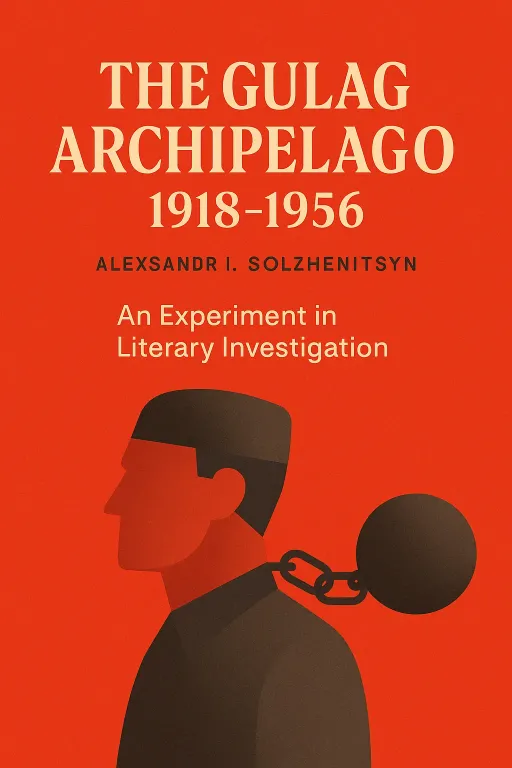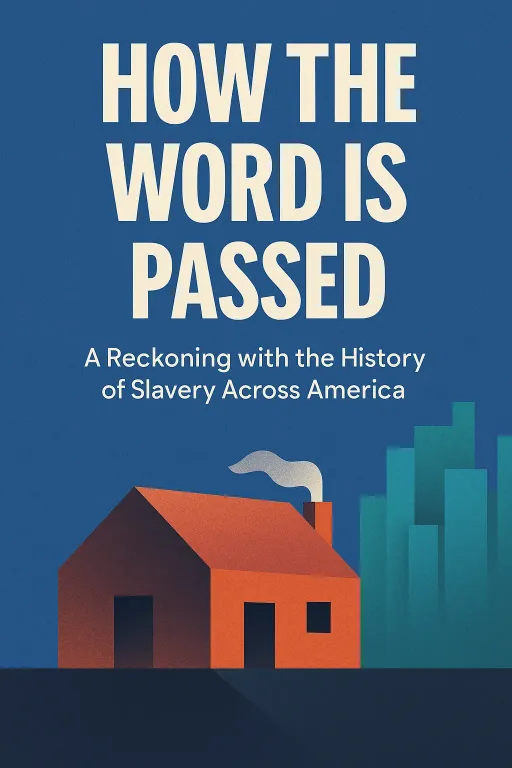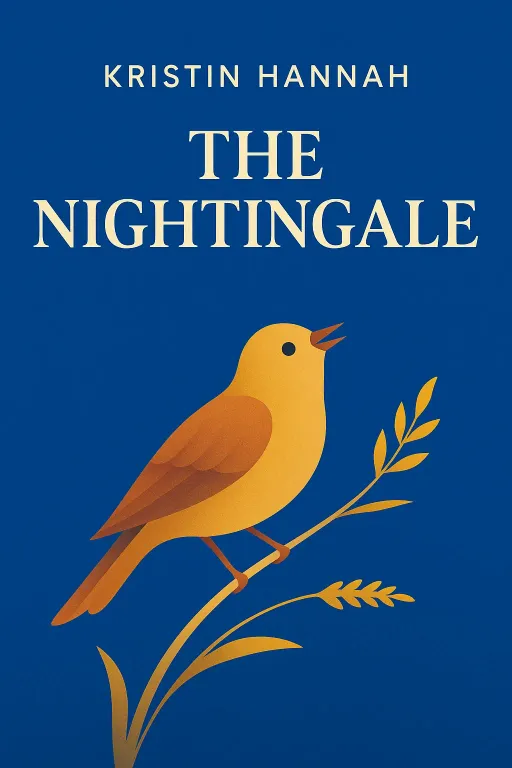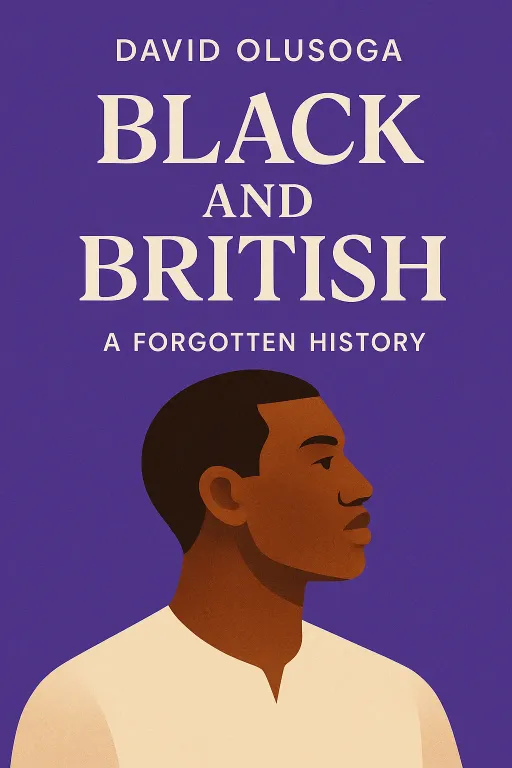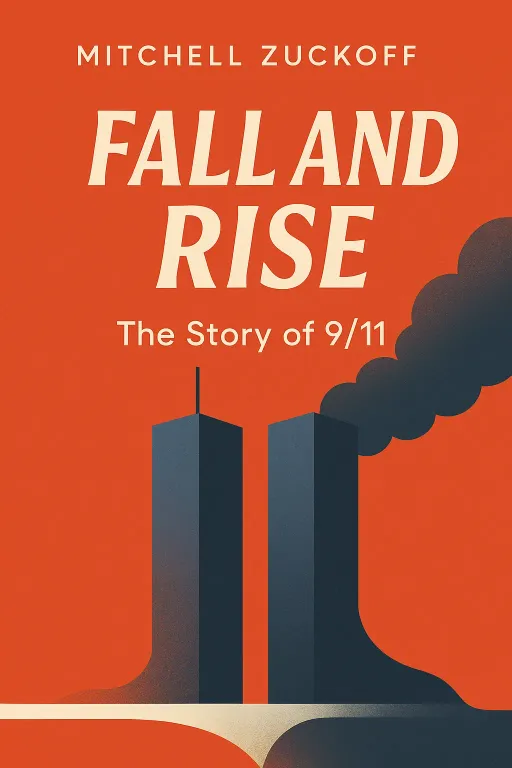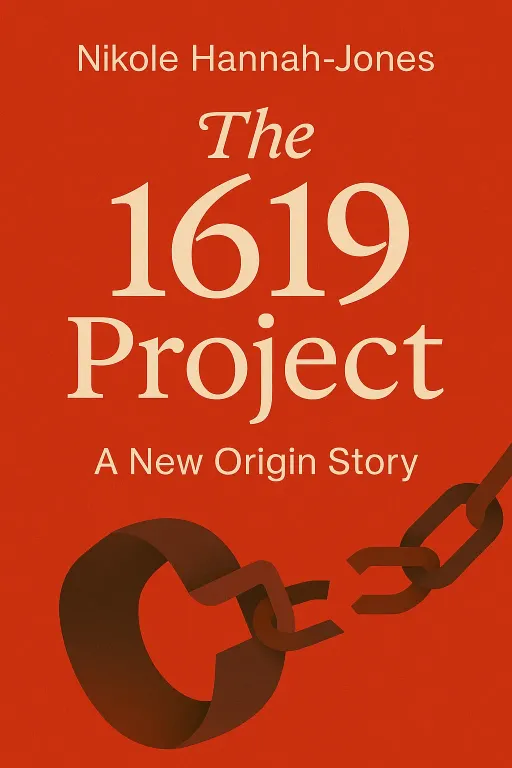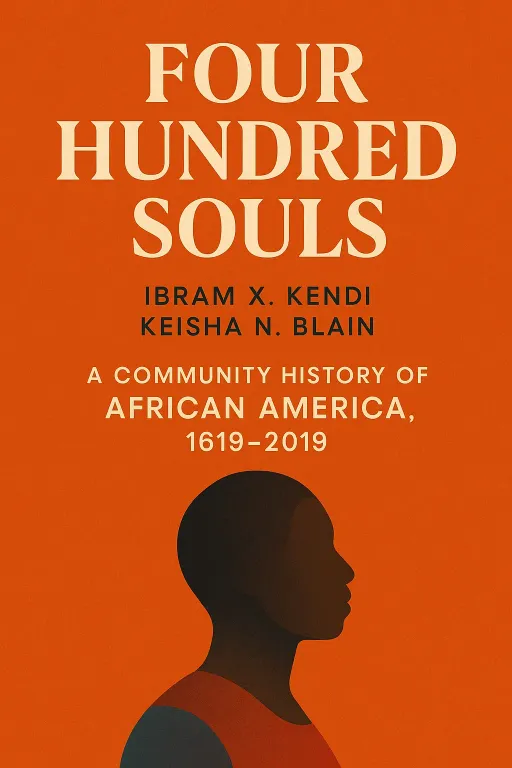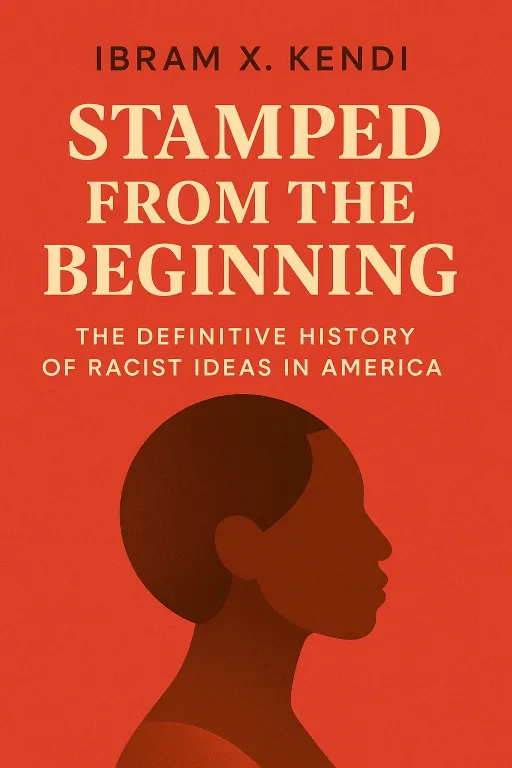
Recommended Reading for Today
Golden Hook & Introduction
SECTION
Nova: If you're a curious learner, you've probably felt the weight of too many books, too many articles, too many 'must-reads.' What if the problem isn't what you haven't read, but how you're choosing what you read?
Atlas: Whoa. That's a gut punch for anyone with an overflowing 'to-read' pile, Nova. I know that feeling all too well. It's like standing in front of an intellectual buffet, and you're starving, but you're also overwhelmed.
Nova: Exactly, Atlas. And that's precisely what we're dissecting today with 'Recommended Reading for Today' – not just a list, but a philosophy. This isn't your average 'top 10' compilation; it's a guide designed to transform how passionate learners, like many of our listeners, engage with knowledge. It promises profound insights into personal growth, technology, and human nature.
Atlas: So, it's less about the books themselves, and more about the behind them? Like, a meta-approach to learning?
Nova: Precisely. It’s about understanding the hidden architecture behind truly impactful curation. We're talking about selection that doesn't just inform but fundamentally reshapes your thinking.
Beyond the List: The Craft of Curated Reading for Deep Learners
SECTION
Nova: Many people think 'recommended reading' just means "what's popular" or "what's new." But for a deep learner, true curation is an art. It's about strategic alignment with your growth trajectory. It’s identifying books that might seem tangential but address fundamental principles across personal growth, technology, and human nature.
Atlas: Okay, but how does a 'carefully selected' book differ from just, say, a bestseller? Give me an example. For someone passionate about exploring new knowledge, what would be a non-obvious, yet profoundly impactful selection?
Nova: Let's use a hypothetical. Imagine you're a tech leader, deeply immersed in the fast-paced, often chaotic world of innovation. You're feeling the pressure, the constant demands, perhaps even the early signs of burnout. A typical recommendation might be a book on agile methodologies or the latest AI trends.
Atlas: Right, that's what I'd expect. How to be more efficient, how to keep up.
Nova: A truly curated recommendation, however, might point you toward something like the ancient philosophy of Stoicism. On the surface, it seems totally unrelated to technology. But the 'cause' of your struggle isn't just external tech demands; it's often an internal reaction to them.
Atlas: That sounds almost counter-intuitive. Aren't we supposed to read about AI if we're in tech?
Nova: Here's the process: A book on Stoicism introduces you to principles like the 'dichotomy of control' – distinguishing what you can influence from what you can't. It teaches you to focus your energy internally, on your responses and judgments, rather than externally on market forces or competitor moves. The 'outcome' isn't just knowing about an ancient philosophy; it's a profound shift in perspective. You gain mental resilience, a clearer sense of agency, and a calmer approach to inevitable technological disruptions.
Atlas: That's a powerful connection between human nature and modern tech challenges. It's like it gives you an internal operating system upgrade, not just a new app.
Nova: Exactly! Deep curation seeks those underlying patterns. It provides the "operating system" for understanding new knowledge, making the "accessible explanation" of complex ideas clear by linking them to timeless human experiences. It’s high-value insight because it addresses the root cause, not just the symptom.
Atlas: So, it's about going foundational, finding the timeless wisdom that applies even to cutting-edge fields. That definitely resonates with the idea of "deep thinking" rather than just surface-level information gathering.
From Page to Practice: Transforming Insights into Personal Growth & Deep Thinking
SECTION
Nova: And that naturally leads us to the real magic: how do these profound insights leap off the page and into our lives? Because reading isn't just about accumulating facts; it's about transformation. For a truly curious learner, the goal isn't just to absorb; it's to integrate.
Atlas: Absolutely! For a curious learner, the goal isn't just to more, but to more, to think differently, to grow. How do these selected books actually us beyond just giving us new information?
Nova: That's where the concept of 'active integration' comes in. It’s not passive reading; it’s an engagement. Let's consider another hypothetical: a book on cognitive biases, perhaps the groundbreaking work from Daniel Kahneman, recommended for a tech innovator.
Atlas: Oh, I've heard of Kahneman. Thinking, Fast and Slow, right? Sounds like it's about how our brains trick us.
Nova: Precisely. The 'cause' for our innovator might be making critical product decisions, designing user interfaces, or even leading teams, and constantly encountering human-centric design flaws or communication breakdowns. They're trying to build logical systems, but they're interacting with inherently illogical human minds.
Atlas: That's a daily battle for anyone in tech. You build something perfect, and then humans use it in completely unexpected ways.
Nova: So, the 'process' begins with recognizing one's own biases – confirmation bias, anchoring, availability heuristic – and then understanding how these biases shape user behavior. Our innovator suddenly has this new lens, this incredible insight into human nature. The 'outcome'? They start designing more intuitive tech because they anticipate human irrationality. They make better leadership decisions by understanding team dynamics and avoiding common pitfalls. Their personal growth accelerates as they become more self-aware, and their deep thinking capacity expands as they question their own assumptions.
Atlas: So, it's about applying what you read, not just highlighting it? What does that look like day-to-day for someone passionate about learning? How do you move from 'wow, that's interesting' to 'wow, that changed how I operate'?
Nova: It's about deliberate practice. It could be journaling about insights, not just summarizing, but reflecting on how a new concept challenges your existing beliefs. It might involve discussing these ideas with colleagues, prototyping solutions based on new knowledge, or even consciously observing your own reactions in real-time through the lens of what you've just learned. This transforms "deep thinking" from an abstract goal into a tangible, actionable practice.
Atlas: That's a brilliant way to put it. Curation sets the stage, giving you the right material. And then active integration seals the transformation, making those profound insights truly your own. It's a full-circle journey from discovery to transformation.
Synthesis & Takeaways
SECTION
Nova: Absolutely. Ultimately, 'Recommended Reading for Today' isn't about prescribing a rigid list. It's a framework for intentional intellectual growth. It's about selecting knowledge as a gardener selects seeds, not just based on their immediate appeal, but on their potential to grow into something profoundly impactful for your personal landscape. It's about nurturing those seeds into profound personal and professional transformation.
Atlas: So for anyone out there, a curious learner, passionate about exploring new knowledge, this isn't just about finding the next great book. It's about finding the book, at the time, and then truly its lessons. It’s about building a richer internal world.
Nova: It's about understanding that the most profound insights often come from unexpected places, and that true growth happens when you allow those insights to re-architect your internal world, impacting everything from your personal decisions to your contributions in technology and your understanding of humanity. It’s an ongoing, reflective process.
Atlas: That’s such a hopeful way to look at it. It makes the pursuit of knowledge feel less like a chore and more like an adventure. What's one book you've read that fundamentally shifted your perspective, and how did you integrate its lessons? We'd love to hear your stories. Share your thoughts with us and the rest of the Aibrary community!
Nova: And remember, the journey of deep learning is a marathon, not a sprint. Keep seeking, keep questioning, keep integrating.
Nova: This is Aibrary.
Atlas: Congratulations on your growth!