The Negotiation Paradox: Why Being 'Nice' is a Trap for Leaders
Golden Hook & Introduction
SECTION
Nova: What if the very quality you value most as a leader – being 'nice' – is secretly undermining your biggest strategic goals and leaving millions on the table?
Atlas: Whoa, Nova! That's a bold claim. I mean, for many leaders, especially those focused on building a resilient culture, being 'nice' and fostering strong relationships is paramount. Are you really saying that's a trap?
Nova: I am, Atlas. It's a paradox. Many leaders, out of a genuine desire to build trust and avoid conflict, shy away from assertive negotiation. They fear it will damage relationships. But this reluctance can leave significant value uncaptured, undermine strategic goals, and actually make their business more vulnerable in the long run. It's perceived 'niceness' at the cost of genuine, long-term strategic strength.
Atlas: Okay, that's a fascinating reframe. So, how do we navigate this? How do we get strategic and assertive without turning into... well, someone nobody wants to negotiate with?
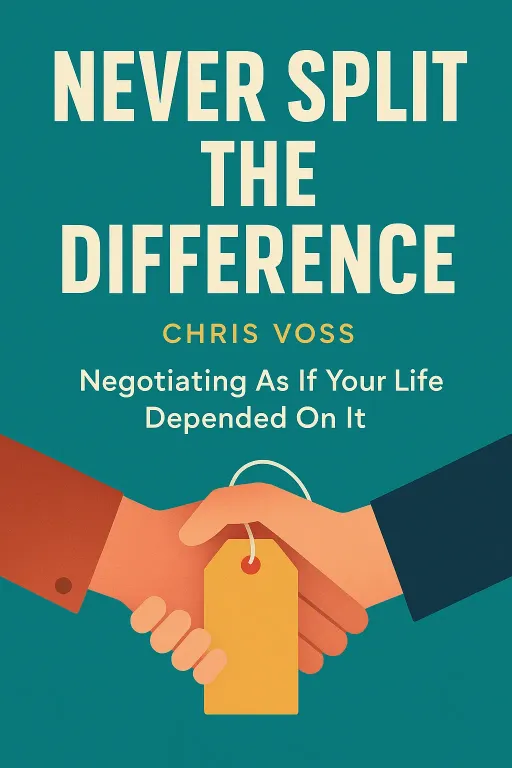
Nova: That's where we turn to two absolute titans of negotiation theory. First up, we have Chris Voss's groundbreaking book, "Never Split the Difference." Voss, a former FBI hostage negotiator, brought his high-stakes, life-or-death experience into the business world, challenging conventional wisdom and showing us how emotional intelligence can be our most powerful tool. The book's practical, real-world strategies have earned it immense popularity and critical acclaim across industries.
Atlas: And complementing Voss, we have the classic "Getting to Yes" by Roger Fisher and William Ury. This book emerged from the Harvard Negotiation Project and has fundamentally shaped how we think about conflict resolution for decades, receiving widespread academic and practical endorsement. So, two very different backgrounds, but both aiming to solve this core problem of effective negotiation.
Nova: Exactly. These two books, though distinct in their origins and approaches, together offer an incredibly robust roadmap for assertive, yet truly collaborative, negotiation that paradoxically strengthens, rather than weakens, long-term partnerships.
The Negotiation Paradox: Why 'Nice' Leaders Lose Out
SECTION
Atlas: So, let's dig into that 'niceness is a trap' idea a bit more. For our listeners who are strategic builders, always aiming to create a strong, resilient foundation, isn't a culture built on trust and positive relationships the ultimate goal? How can being 'assertive' not damage that delicate balance?
Nova: It's an excellent question, Atlas, and it gets to the heart of the misunderstanding. Assertive isn't aggressive. It's not about bulldozing or being a bully. It's about clearly articulating your needs, understanding the other party's true motivations, and then working to find solutions that maximize value for everyone involved. The trap is when a leader, focused on being 'liked' or avoiding immediate discomfort, accepts a suboptimal deal.
Atlas: But what does that really look like in practice? Give me a vivid example of how that perceived 'niceness' backfires. Like, a common business scenario where a leader compromises too much.
Nova: Imagine a tech leader who's negotiating a crucial partnership with a supplier for a new product launch. They value the relationship, they want to be seen as easy to work with, so they don't push back on the supplier's initial high pricing or their inflexible delivery schedule. They smile, they nod, they agree, thinking they're preserving goodwill.
Atlas: And what happens?
Nova: Initially, everyone's happy. The deal is done. But a few months down the line, their competitors, who negotiated harder, are getting better pricing and faster delivery from the supplier. Suddenly, our 'nice' leader's product is less competitive on price and constantly facing delays. Their team becomes frustrated, their margins shrink, and their strategic goals for market penetration are undermined. The perceived 'niceness' created a vulnerability.
Atlas: So, the 'goodwill' they thought they were building was actually eroding their strategic position. And I imagine that can lead to internal resentment too, from their own team or shareholders, when the true cost of that 'niceness' becomes clear.
Nova: Absolutely. That perceived 'niceness' becomes a strategic liability. It creates internal pressure and vulnerability, highlighting the long-term, often hidden, strategic cost. The leader might have avoided an uncomfortable conversation in the short term, but they've created a bigger problem for the long term.
Atlas: That's a powerful distinction. So it's not about being a bully or a hardliner, but about being clear, strategic, and value-driven, even if that feels uncomfortable in the moment? It sounds like it actually builds a more honest, robust relationship, not a fragile one.
Nova: Exactly. It's about shifting from a 'win-lose' or even a 'compromise at all costs' mindset to a 'value maximization' mindset. And that often requires having those uncomfortable, but ultimately more productive, conversations. It’s about building a relationship based on mutual respect and clarity, rather than unspoken resentments or unaddressed imbalances.
Tactical Empathy & Principled Negotiation: The Assertive-Collaborative Roadmap
SECTION
Nova: And that brings us to the two brilliant roadmaps that help us navigate this very paradox: Chris Voss's tactical empathy and Fisher and Ury's principled negotiation.
Atlas: Let's start with Voss. "Never Split the Difference" sounds like it's about being an uncompromising hardball player. Is it just about outsmarting the other side?
Nova: Not at all, Atlas. It's actually deeply rooted in emotional intelligence. Voss, having spent years negotiating with terrorists and kidnappers, realized that understanding the other side's emotional landscape is the absolute key. He teaches 'tactical empathy' – it's about actively listening, mirroring their language, labeling their emotions. You're not doing this to agree with them, but to understand their motivations, their fears, their unstated needs.
Atlas: So, if I'm a leader trying to secure a new, critical market, I need to understand the other party is holding out or pushing a certain agenda, not just they're demanding on paper? It's about getting to the root of their position?
Nova: Precisely. Voss's core insight is that people are often irrational, emotional beings. By disarming them with empathy – by making them feel heard and understood – you create a space where they feel safe enough to reveal their true needs, not just their stated positions. Imagine a client who keeps saying "no" to a proposal. Instead of pushing harder, you might mirror their hesitation: "It sounds like you're feeling some uncertainty about the timeline?" And they might reveal their underlying fear of commitment due to past bad experiences. Suddenly, you have a new avenue for negotiation.
Atlas: That makes so much sense. It's using empathy as a strategic tool to uncover information, not just as a feel-good gesture.
Nova: Exactly. It empowers you to be assertive about your own needs because you now have a clearer picture of their full landscape. Now, Fisher and Ury's "Getting to Yes" comes from a different angle, but it complements Voss beautifully, providing a more structured framework.
Atlas: This is the Harvard classic, right? What's their core message for avoiding the 'nice' trap, especially for leaders who want to build a truly resilient business culture?
Nova: Their big breakthrough is 'principled negotiation.' Instead of the old-school positional bargaining – "I want X, you want Y, and we'll just meet in the middle" – they advocate separating the person from the problem. You focus on interests, not positions. This means asking 'why' behind the 'what.' What's their underlying need? What's yours?
Atlas: So, instead of fighting over the price of a component, I'm asking why they need that price, and they're asking why I need a lower one, and we're looking for solutions that address those deeper 'whys'?
Nova: Exactly. And then, you invent options for mutual gain – brainstorming creative solutions that satisfy both sets of interests. And finally, you insist on using objective criteria. Instead of arguing over subjective fairness, you appeal to market rates, expert opinion, or legal precedent. It's about finding common ground through logic and shared principles, not just compromising or giving in.
Atlas: So, Voss helps me get into their heads with tactical empathy, and Fisher and Ury give me the structured framework to build a solution that works for everyone, based on shared interests and objective criteria. That sounds like a powerful combination for any leader.
Nova: You've got it! Voss provides the micro-tactics for understanding human psychology in those high-stakes moments, giving you the tools to disarm and uncover. Fisher and Ury provide the macro-strategy for building genuinely collaborative, win-win outcomes that feel fair and are sustainable. Both empower leaders to be assertive about their needs destroying relationships. In fact, they build stronger, more transparent ones based on understanding and mutual value.
Synthesis & Takeaways
SECTION
Nova: So, the negotiation paradox is real, but it's absolutely solvable. It's about understanding that true strength in leadership isn't about avoiding conflict or being superficially 'nice,' but mastering it with both empathy and principle. It's about building power through understanding, not just through demands.
Atlas: For our 'Strategic Builder' listeners, who are always looking for ways to build resilient foundations, achieve market leadership, and make a lasting impact, this sounds like an absolutely core competency. It's not just about winning deals, but about building better, more robust partnerships. How can they start applying this tomorrow?
Nova: The tiny step from the book is incredibly powerful: identify upcoming conversation. Before it even begins, list three things you know about the other party's explicit and implicit needs. What do they they want, and what do you suspect they need or fear?
Atlas: That's brilliant. It shifts the focus from "what do want to get out of this" to "what do need, and why?" which is the first step in both tactical empathy and principled negotiation. It's about preparation, active listening, and strategic understanding, not just improvisation or emotional reaction.
Nova: Exactly. It's about being prepared to be assertive, not aggressive, and to build value, not just avoid discomfort. That's where true leadership in negotiation lies.
Atlas: So, 'niceness' isn't a trap if it's informed by deep strategy and genuine empathy. It’s about elevating the conversation.
Nova: You absolutely nailed it, Atlas.
Nova: This is Aibrary. Congratulations on your growth!