The Invisible Threads: Mastering Influence Without Manipulation.
Golden Hook & Introduction
SECTION
Nova: Most people think influence is about having the loudest voice, the biggest title, or the most power. It is about pushing your agenda.
Atlas: Oh, I know that feeling. It’s like, whoever shouts loudest wins, right? Or whoever has the most leverage.
Nova: Exactly. But what if I told you the quietest person in the room, the one who listens deeply, often holds the true power to sway anyone, to build lasting connection and impact?
Atlas: That sounds a bit out there, honestly. In a world that often rewards aggressive tactics, how is that even possible? I imagine a lot of our listeners, especially those building cultures and leading teams, are thinking, "Okay, Nova, tell me how."
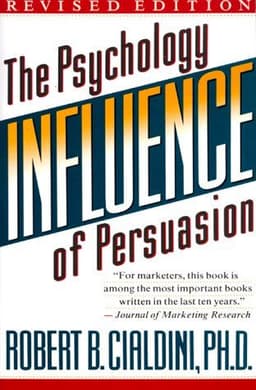
Nova: Well, today we’re diving into the invisible threads of influence, drawing profound insights from two masters: Robert Cialdini, author of "Influence," and Chris Voss, who penned "Never Split the Difference."
Atlas: Ah, Cialdini and Voss. That’s a powerhouse duo.
Nova: Absolutely. What’s fascinating is that Cialdini famously went undercover for years—working in car sales, fundraising, telemarketing—to study real-world persuasion tactics firsthand. He didn't just theorize; he lived it. And Voss, a former FBI hostage negotiator, literally wrote the book on high-stakes communication from the front lines. These aren't armchair theories; they’re battle-tested, street-smart approaches to human interaction.
Atlas: That’s a great way to put it. It definitely gives their work a different kind of credibility. For anyone looking to build trust and achieve alignment without resorting to force, that practical foundation is huge. So, where do we start unraveling these invisible threads?
Deep Dive into Core Topic 1: The Six Principles of Ethical Influence
SECTION
Nova: We begin with Cialdini’s six universal principles of persuasion. He identified these as fundamental psychological levers that guide human decisions. We’re talking Reciprocity, Commitment and Consistency, Social Proof, Authority, Liking, and Scarcity. Think of them not as tricks, but as deep wiring.
Atlas: Okay, so these are like the fundamental building blocks of human interaction. But how do we use these ethically? Because "persuasion" can sometimes feel like manipulation, especially for those who value genuine connection and sustainable growth. For instance, in complex organizational structures, how does one even begin to apply something like "Reciprocity" without it feeling transactional?
Nova: That’s an excellent point, and it's where the "ethical" part comes in. Reciprocity, at its core, is about the human tendency to return a favor. When you genuinely give something of value first—whether it's information, support, or a helping hand—people feel compelled to respond in kind. It’s not about keeping score; it's about initiating generosity.
Atlas: Can you give an example? Like, how would a leader in a high-performing team apply that without it feeling like they’re just buying loyalty?
Nova: Imagine a team leader, let's call her Sarah, who has a developer struggling with a complex, unforeseen bug right before a major product launch. Instead of just pushing for more hours, Sarah steps in. She doesn’t just offer help; she actively rolls up her sleeves, bringing her own expertise, even staying late to pair-program, not because she has to, but because she genuinely wants to help her team member overcome the obstacle.
Atlas: Oh, I see. So it’s not just delegating support; it’s the support.
Nova: Exactly. That genuine act of support creates a powerful sense of obligation and trust. Next time Sarah needs that developer to go the extra mile, or to take on a challenging new project, that developer will be far more inclined to do so, not out of duty, but out of a genuine desire to reciprocate the earlier support. It builds a deeper, more resilient connection.
Atlas: That’s actually really inspiring. It shifts Reciprocity from a tactic to a foundation of team solidarity. What about Social Proof? That one always feels a bit like peer pressure to me. How do you use that ethically to foster a positive culture?
Nova: Social Proof is incredibly powerful because we're wired to look to others for cues on how to think, feel, and act, especially when we’re uncertain. Ethically, it's about shining a light on positive behaviors and achievements that already exist.
Atlas: So you're saying, if you want your team to adopt a new, positive habit, you don't just mandate it; you highlight the early adopters who are already doing it well?
Nova: Precisely. Let's say a company is trying to improve cross-functional collaboration. Instead of just sending out a memo, a smart leader identifies a project team that has seamless collaboration. They showcase that team's success story—how they shared information, resolved conflicts, and delivered results together. They celebrate it publicly.
Atlas: Ah, so it becomes aspirational. It’s not "you collaborate," it's "look at how collaborated and what they achieved."
Nova: Right. When others see tangible evidence of success and hear about the positive experience from their peers, it creates a powerful pull. It fosters an environment where positive behaviors become the norm, not just a suggestion. It builds trust by demonstrating what's possible, rather than dictating. For architects of culture, this is a foundational way to shape collective behavior.
Atlas: That makes sense. It’s about building a narrative around desired behaviors. I can see how that’s a far cry from manipulation. It’s about creating an environment where people to align.
Deep Dive into Core Topic 2: Empathy-Based Negotiation and Active Listening
SECTION
Nova: And that naturally leads us to the second key idea we need to talk about, which often acts as a counterpoint to some of Cialdini's more subtle influences: Chris Voss's empathy-based negotiation techniques. While Cialdini shows us the "how," Voss focuses on the "what" and "why" behind the other person's perspective.
Atlas: That sounds incredibly challenging. How do you truly listen and understand when the stakes are high, when you have deeply entrenched opinions, or when you're facing someone who seems completely unreasonable? I imagine for leaders trying to inspire their team, or even negotiate with a difficult client, this is a constant struggle.
Nova: Voss’s core philosophy is called "Tactical Empathy." It’s not about agreeing with the other person, but about understanding their worldview, acknowledging their feelings, and making them feel heard. One of his most powerful techniques is "Mirroring."
Atlas: Mirroring? So, like, repeating their last few words back to them? That sounds a bit simplistic.
Nova: It sounds simple, but it’s profoundly effective. When someone says, "I just don't think this project has enough resources," and you respond, "Enough resources?" it prompts them to elaborate. It signals that you're listening, inviting them to reveal more of their underlying concerns without you having to ask a direct question or offer an opinion.
Atlas: Wow, that’s powerful. It creates a vacuum they naturally fill. So, instead of immediately defending your resource allocation, you're inviting them to explain their pain point further. That disarms tension.
Nova: Exactly. It's about demonstrating active listening, not just waiting for your turn to speak. Another key technique is "Labeling" emotions. If someone is visibly frustrated, you might say, "It seems like you're feeling a lot of frustration with this situation."
Atlas: That makes me wonder, isn't that a bit obvious? Or even patronizing?
Nova: It might feel that way, but it's incredibly effective. When you accurately label someone's emotion, even if it's negative, you validate their experience. It shows them you see them, you hear them, and you understand. And that validation often de-escalates the emotion itself, opening the door for more rational discussion. It builds rapport, even in conflict.
Atlas: That’s a great way to put it. I can see how that would be incredibly useful for someone in a leadership position, trying to navigate complex team dynamics or even stakeholder disagreements. It’s about building a bridge, not a wall.
Nova: Think about a leader dealing with a team resistant to a new strategic direction. Instead of just pushing the "why" of the strategy, a Voss-trained leader might say, "It sounds like there's some apprehension about this shift, perhaps a fear of the unknown, or maybe even concern about increased workload?"
Atlas: Oh, I get it. By naming their potential fears, you're giving voice to their unspoken concerns. It makes them feel understood, and that creates psychological safety. Then, they're more open to hearing your perspective.
Nova: Precisely. It turns a potential confrontation into a collaborative problem-solving session. You’re building trust by demonstrating profound understanding, which ultimately leads to more sustainable, win-win outcomes. It's influence through connection, not coercion.
Synthesis & Takeaways
SECTION
Atlas: This is fascinating, Nova, the way Cialdini gives us the foundational psychological principles, and Voss gives us the tactical, in-the-moment communication tools. It’s like Cialdini helps us understand the human operating system, and Voss teaches us how to write the code for empathetic connection.
Nova: That’s a perfect analogy. What both authors ultimately teach us is that true influence isn't about force or manipulation. It’s about deeply understanding human nature, building trust, and making your vision resonate so profoundly with others that they to follow. It’s about alignment, not control.
Atlas: Absolutely. For anyone who builds cultures, who whispers talent into existence, this is invaluable. It’s about leveraging these invisible threads to foster genuine connection and sustainable impact, not just short-term gains. So, Nova, what’s one tiny step our listeners can take to start applying these powerful insights today?
Nova: In your next significant conversation, whether it’s with a team member, a client, or even a family member, consciously apply just one of Cialdini’s principles or one of Voss's techniques. Don't just present your argument; genuinely seek to understand the other person’s perspective. Try mirroring a key phrase, or labeling an emotion you observe.
Atlas: I love that. It’s about shifting from a monologue to a dialogue, from convincing to connecting. The impact of that tiny step could be monumental.
Nova: It’s the difference between a fleeting transaction and a lasting relationship. It’s about building influence that’s authentic and impactful.
Atlas: That’s a powerful thought to end on. It leaves us with a lot to reflect on.
Nova: This is Aibrary. Congratulations on your growth!