How To Get What You Want Without Asking?
The 5 Books That Will Make You a Master Communicator
Golden Hook & Introduction
SECTION
Laura: Okay, let’s be honest — half of modern communication is just people writing “per my last email” when they really mean, “you’re the problem.” Brian: And the other half is couples arguing about where to eat. We are a species in constant negotiation — over meetings, meals, and emotional bandwidth. Laura: Exactly. Which is why today’s episode is set right here at The Negotiation Table. Not for business deals — for life. Because good talkers impress people. But great communicators? They change them. Brian: Oof. That line feels like it belongs on a TED stage, probably with dramatic lighting and a pause before the word change. Laura: You’re not wrong — it’s actually the thesis for today’s peace summit on communication, featuring five legendary “expert witnesses.” Brian: Let’s roll call them. Laura: That’s the lineup. If these five had a group chat, the world would probably argue less and listen more. Brian: Or they’d spend twelve hours politely disagreeing about grammar. Laura: True. But together, they give us a full-spectrum guide — from winning friends to winning hearts, from talking at people to connecting with them. Brian: Alright, chief negotiator, where do we start? Laura: With the original peace treaty of human connection — How to Win Friends and Influence People.
Dive into key insights and ideas 1
SECTION
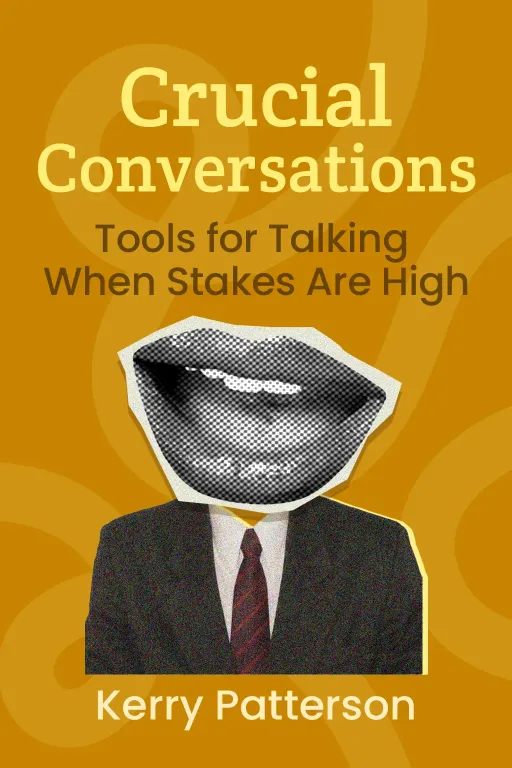
Laura: Carnegie’s entire premise was simple but radical: people don’t care about your brilliance until they feel seen. His superpower wasn’t charm — it was empathy. Brian: Which sounds wholesome until you realize it’s also a Jedi mind trick. He’s basically saying, “Influence starts when you stop trying to.” Laura: Exactly! He discovered the paradox: if you want to be interesting, be interested. Ask questions. Listen actively. Use names. Notice details. Brian: It’s like emotional SEO — the more you optimize for their interests, the higher you rank in their mental search results. Laura: That’s good. Carnegie would love that metaphor. He saw how ego kills persuasion. You can’t win people by proving you’re right; you win them by proving you get them. Brian: Which is cute until real life hits. What about when “getting them” means listening to a manager explain synergy for twenty minutes? Laura: Then you go full Crucial Conversations. Brian: Ah yes, the book that should come with a seatbelt. Laura: Grenny and his team studied what happens when emotions spike and stakes are high — the moments where your voice shakes, your brain locks, and you say things like, “I’m not mad, I’m just disappointed.” Brian: Classic threat-level orange in relationship communication. Laura: Their finding: the key to high-stakes dialogue isn’t control; it’s safety. You have to make it safe for truth to surface. Brian: So it’s not about “winning” the conversation — it’s about creating a space where the real stuff can come out without people turning into porcupines. Laura: Exactly. They call it shared meaning. The moment everyone feels heard, their nervous system calms down enough to think again. Brian: Which explains why every fight ever ends with, “That’s not what I meant!” Laura: Right — because our brains are wired to defend identity, not accuracy. The second we feel attacked, the prefrontal cortex checks out and leaves the amygdala to run PR. Brian: The amygdala’s press releases are wild. Laura: That’s where Voss enters — Never Split the Difference. He’s like, “Forget compromise; aim for connection.” Brian: He’s the guy who negotiates with terrorists, right? Laura: Yeah — but his secret isn’t intimidation. It’s tactical empathy. Brian: Tactical empathy sounds like “I feel your pain… strategically.” Laura: Pretty much! He shows that listening isn’t passive — it’s active data gathering. He uses mirroring — repeating key words back — to disarm people. Brian: I tried that once on my cat. Didn’t work. Laura: But with humans, it’s gold. He found that people open up when they feel in control — so instead of pushing, he asks calibrated questions: “What about this doesn’t work for you?” or “How am I supposed to do that?” Brian: So it’s like Jedi negotiation again — guiding them to your side by making them explain it themselves. Laura: Exactly. Neuroscience backs this up. When someone feels understood, their brain releases oxytocin — trust hormone. You can’t logic someone into agreement; you have to bond them there. Brian: Okay, so Carnegie says empathize, Grenny says stay safe, Voss says listen like a spy. Where does Gallo come in? Laura: He brings the showmanship — Talk Like TED is about turning communication into an experience. Because ideas alone don’t spread; emotion does. Brian: So he’s like the marketing department for empathy. Laura: Exactly. Gallo found that all great TED speakers share three traits: they’re emotional, novel, and memorable. They don’t just say facts — they stage them. Brian: That’s why we remember Ken Robinson’s “Schools kill creativity,” but not the twelve PowerPoint charts from last week’s meeting. Laura: Right. Gallo studied the brain scans — literally, emotional storytelling activates the same neural networks as lived experience. It’s empathy rehearsal. Brian: Which means when Bryan Stevenson tells a story about justice, your brain doesn’t just hear it — it feels it. Laura: Exactly. Great communicators don’t just transfer data; they transfer emotion. They don’t just inform — they transform. Brian: That’s a lot sexier than “Quarterly update slide 7.” Laura: Yeah. Gallo calls stories “the currency of connection.” And Pinker — the scientist in our lineup — explains why some stories hit like lightning and others fizzle like a damp match.
Dive into key insights and ideas 2
SECTION
Brian: Ah, The Sense of Style. The book every English major keeps on the shelf to look smart. Laura: Guilty. But Pinker’s not a grammar cop — he’s a cognitive scientist. His argument: good style is clear thinking made visible. Brian: So, like, your writing reveals your brain hygiene. Laura: Exactly. He dismantles the myth that clarity equals simplicity. It’s not dumbing down — it’s tuning in. He talks about the “curse of knowledge” — the idea that once you know something, you forget what it’s like not to know it. Brian: Oh, that’s why academics write like they’re allergic to verbs. Laura: Yes! And why tech manuals read like IKEA instructions translated by a philosopher. Pinker says we need to write — and speak — from the reader’s mind, not the writer’s. Brian: That’s empathy again. We’ve come full circle. Laura: Totally. Communication collapses when we assume shared understanding. Pinker’s fix is “classic style”: writing as if you’re showing the reader something vivid and real — like a window, not a wall. Brian: So Carnegie teaches us to care about people, Grenny teaches us to care for the conversation, Voss teaches us to care within conflict, Gallo teaches us to care on stage, and Pinker teaches us to care in structure. Laura: Exactly. It’s a full empathy stack. Brian: Okay but let’s get real — most people don’t have time to channel their inner Carnegie-Voss-Pinker hybrid before replying to a passive-aggressive group chat. Laura: True. So let’s make it tactical. Here are the five moves to upgrade any conversation, from date nights to board meetings. Brian: Ooh, the cheat code segment. Hit me.
Key takeaways
SECTION
Brian: Alright, let’s zoom out. Why does this matter right now? We live in the age of “hot takes,” algorithmic outrage, and doomscrolling. Does empathy even have bandwidth anymore? Laura: That’s the tragedy — we’ve mistaken communication volume for connection value. Everyone’s broadcasting; no one’s listening. But here’s the twist: the more digital we get, the more human skill becomes communication itself. Brian: So being a great communicator is the new superpower. Laura: Exactly. The old power was having information; the new power is making information feel alive. Brian: That’s straight out of Gallo’s “Ideas are the currency of the twenty-first century.” But the exchange rate depends on clarity — that’s Pinker’s part. Laura: And the emotional trust behind the transaction — that’s Carnegie and Voss. Brian: The communication multiverse is officially connected. Laura: And here’s the final verdict from The Negotiation Table: Brian: And that’s the thing — every “great communicator” moment we admire — from Obama’s cadence to Brené Brown’s vulnerability — it’s not performance. It’s precision-engineered humanity. Laura: You just coined a new discipline: applied humanity. Brian: I’ll trademark it after the show. But yeah, that’s the takeaway. If listeners remember one thing — next time you’re in a tough conversation, don’t think, “How do I win?” Think, “How do I make this safe enough for truth?” Laura: Beautifully said. Because the ultimate negotiation isn’t with others — it’s between your ego and your empathy. Brian: Oof. That’s the closer right there. Laura: Then let’s seal the deal. Brian: With words, not signatures. Laura: This is The Negotiation Table. Brian: And remember — This is Aibrary, signing off.