The 'Story' Trap: Why Visuals Need Narrative Beyond Beauty.
Golden Hook & Introduction
SECTION
Nova: Atlas, if I told you that one of the biggest traps for creatives, designers, even real estate developers, isn't a lack of talent or vision, but something far more insidious hiding in plain sight, what would you guess it is?
Atlas: Oh, I like that. My first guess would be… maybe overthinking? Or perhaps getting lost in the details. But Nova, I have a feeling you're about to tell us it's something totally different, probably illuminated by a book I haven’t dug into yet.
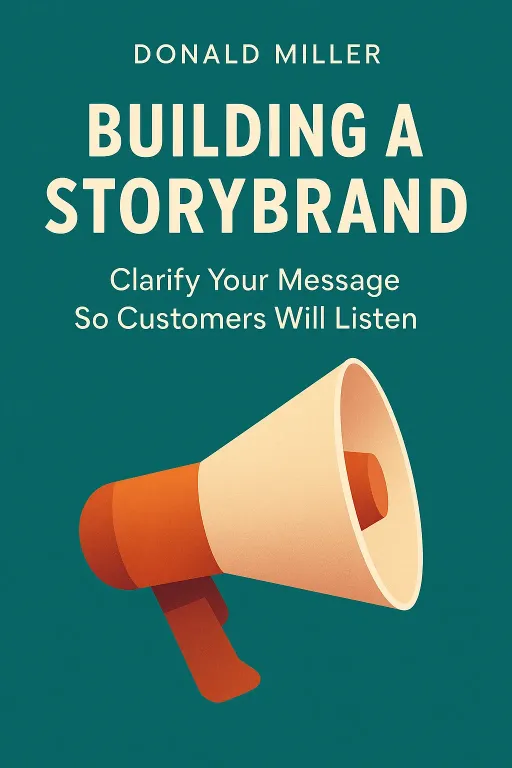
Nova: Exactly! Today we're actually diving into a concept that draws heavily from the principles laid out in books like by Donald Miller and by Chip and Dan Heath. Miller, for example, built his entire framework after years of running a successful marketing agency and realizing businesses constantly struggled to articulate their value clearly.
Atlas: That's fascinating. So, this 'insidious trap' you mentioned, it's about clear communication, not just aesthetic appeal? What's this blind spot we're all missing?
The Blind Spot – Beauty Without Narrative
SECTION
Nova: The blind spot is this: beautiful visuals grab attention, but they don't always hold it. Often, they lack the underlying story that makes them memorable or drives action. It’s like a beautifully wrapped, empty gift. You pick it up, you admire the paper, but there's nothing inside to truly engage you.
Atlas: Huh. That’s actually really inspiring. I imagine a lot of our listeners, especially those who are visionaries and builders, pour their heart and soul into making things look perfect. But wait, isn't 'grabbing attention' the whole point? If it's beautiful, people will look, right?
Nova: That’s the conventional wisdom, but it often falls short. Let’s consider a classic example: an impeccably designed real estate brochure for a luxury property. Every photo is breathtaking, every font perfect. It’s a work of art, really.
Atlas: Sounds like something I'd spend hours perfecting.
Nova: Exactly. Yet, it sits on the coffee table, admired for its beauty, but not acted upon. The cause here isn't a lack of visual appeal; it's that the brochure highlights the – granite countertops, infinity pool, smart home tech – but fails to tell the the client could lead there.
Atlas: So you're saying it's about the 'what' instead of the 'why' or 'how it changes you'?
Nova: Precisely. The process was purely focused on aesthetic perfection, not on the emotional journey or problem-solving aspect for the potential buyer. The outcome? Admiration, but no deep connection, no conversion.
Atlas: Wow, that’s kind of heartbreaking for all that effort. So, it's like we're admiring the brushstrokes but not understanding the painting. For someone who's constantly building and trying to make an impact, that feels like a huge missed opportunity. How do we even begin to shift that focus from just 'pretty' to 'purposeful'?
The Shift – Structured Storytelling as a Persuasive Tool
SECTION
Nova: That's where the shift comes in, Atlas. It's about understanding how stories function at a fundamental level. Donald Miller, in, introduces a brilliant 7-part framework for clear communication. He argues that every effective story positions the client, or your audience, as the hero.
Atlas: Okay, so we're not just showing a beautiful house; we're showing the to their ideal home. That sounds like a powerful reframe. But how does this apply to something like a product design? Or even a data visualization, which can often be incredibly complex?
Nova: That’s a great question. Let’s take a groundbreaking new ergonomic office chair. A traditional visual campaign might show its sleek lines, adjustable features, and high-tech materials. It’s all about the chair.
Atlas: Right, like a glossy magazine ad, all about the product specs.
Nova: Now, a 'StoryBrand' approach would be radically different. It would start by showing a busy professional, hunched over their desk, feeling discomfort and stress – that's the hero with a problem. Then, it introduces the ergonomic chair not as a product, but as the offering a solution: comfort, improved posture, renewed focus.
Atlas: I can see that. It's instantly relatable. I mean, honestly, that sounds like my Monday mornings.
Nova: Exactly! It then outlines a clear plan – maybe 'try it for 30 days, no risk' – and calls the hero to action. Finally, it paints a vivid picture of success: improved productivity, better health, a more enjoyable workday. The 'stickiness,' as Chip and Dan Heath would call it in, comes from that emotional connection. The user sees in the story, not just the product. It’s simple, unexpected, and deeply emotional.
Atlas: That makes so much sense! It's not about what the chair, but what it as the hero of my own workday. It's about moving from 'look how beautiful this is' to 'look how this solves problem and makes life better.' That's a profound shift for anyone trying to build something meaningful and create value. It’s about building a bridge between the visual and the viewer’s aspirations.
Synthesis & Takeaways
SECTION
Nova: Absolutely. The power lies not in abandoning beauty, Atlas, but in infusing it with purpose, with narrative. It's about consciously crafting a story that leverages the visual to connect emotionally and drive action. Your visuals become the guide that helps your audience succeed, not just a pretty picture to admire.
Atlas: So, the deep question from the book content really hits home here: 'What core story does your favorite photograph or design tell? How could you make that story even clearer for your audience?' It's about being intentional. For our listeners who are visionaries, strategists, and builders, this isn't just about making pretty pictures; it's about building understanding and creating value through every visual.
Nova: Absolutely. It's about asking, 'What transformation am I helping my audience achieve?' And then letting every visual element contribute to that narrative. It’s a journey of iterative learning, where every visual becomes a small step building big momentum towards impact.
Atlas: I imagine a lot of our listeners are now looking at their own work, or even their next project, with completely new eyes. It’s a powerful mindset shift, moving from passive admiration to active engagement.
Nova: Indeed. And for anyone looking to bridge their creative skills with entrepreneurial goals, understanding this storytelling lens is absolutely critical. So, take a moment this week to look at a piece of your work: identify the hero, their problem, and the solution you’re visually guiding them towards.
Atlas: That sounds like a fantastic challenge. It's about making every pixel, every line, every frame, truly count. And that's something that resonates deeply with anyone driven by growth and creating real value.
Nova: This is Aibrary. Congratulations on your growth!