The Data Storyteller: Moving Beyond Metrics to Meaningful Action
Golden Hook & Introduction
SECTION
Nova: Atlas, if I say "data report," what's the first thing that pops into your head? Be brutally honest.
Atlas: Oh, Nova, "data report" immediately conjures images of a beautifully formatted, impeccably analyzed spreadsheet... that then sits in a digital graveyard, unread, gathering digital dust. It's the silent scream of analytical genius, unheard.
Nova: Exactly! It's that moment where you've poured your heart and soul, all your brilliant analytical insight, into understanding something profoundly, and then... crickets. And that's precisely the challenge our inspiration for today's discussion tackles: "The Data Storyteller: Moving Beyond Metrics to Meaningful Action."
Atlas: That title alone resonates with anyone who's ever felt the frustration of having incredible insights, but then watching them just... dissolve into the ether. For those of us who really want to drive impact, that's a painful reality.
Nova: It absolutely is. And what's so compelling about the approach in this book is that it moves us past the idea that data should speak for itself. It argues that are the translators, the orchestrators, the storytellers who must give that data a voice. It’s not just about crunching numbers; it’s about crafting a narrative that moves people.
The Inadequacy of Raw Data: From Metrics to Meaning
SECTION
Atlas: Okay, so let's unpack that a bit. Because I imagine a lot of our listeners, especially the strategic analysts, the impact drivers, they're thinking, "My data solid. The numbers are the numbers. Why isn't that enough to drive action?" What's the core disconnect here?
Nova: That's the cold fact, isn't it? You can be phenomenal at analyzing data, unearthing hidden patterns, identifying crucial trends. But raw data alone rarely drives action. The disconnect lies in the human brain's wiring. We are wired for stories, not spreadsheets. Our brains seek meaning, cause and effect, emotional resonance. A string of metrics, no matter how accurate, lacks that narrative arc.
Atlas: So you're saying it's not about the accuracy of the data, but its to the human part of our decision-making process? It’s almost like speaking a different language.
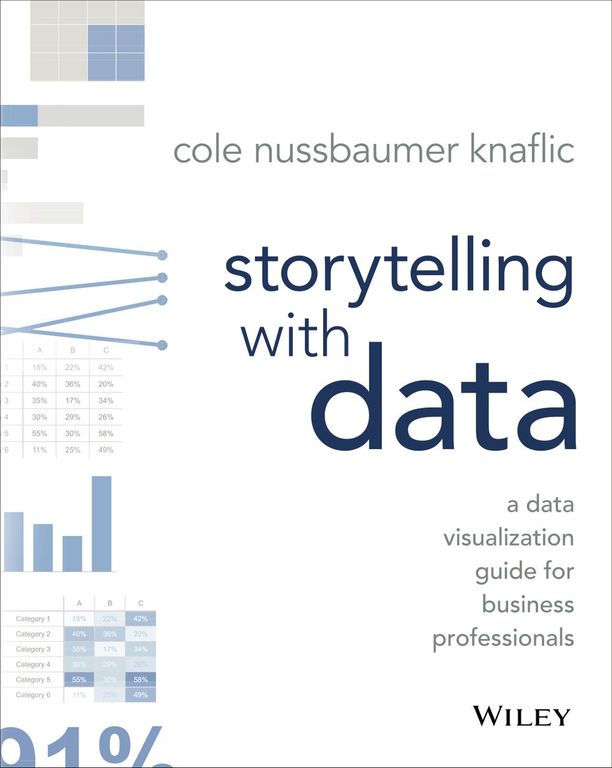
Nova: Precisely. And Cole Nussbaumer Knaflic, in her widely acclaimed book "Storytelling with Data," really hammers this home. She emphasizes that the first step isn't about the data at all; it's about understanding your and their needs. What do they care about? What problem are they trying to solve? What action do you want them to take? Without that context, your beautifully rendered charts are just... pretty pictures.
Atlas: That’s a powerful point. I've seen countless presentations where someone just throws up a dashboard, assuming the audience will connect the dots themselves. But if you don't know what problem I'm trying to solve, or what kind of decision I'm facing, how am I supposed to interpret your meticulously crafted pivot table?
Nova: Exactly! Think of it like this: I could show you a line graph of global temperatures rising over the last century. That's data. But if I tell you the story of a small island nation where homes are now regularly flooded, where ancient traditions are being lost because the land is disappearing... that's a story. The data is the same, but the impact is radically different. Knaflic's techniques for choosing the right visuals and eliminating clutter aim to make sure your data stories are both accurate engaging, cutting through the noise to hit that emotional and intellectual sweet spot.
Atlas: That makes me wonder, given the sheer volume of data we're all bombarded with daily, is the problem getting worse? Are we just drowning in raw numbers, making the need for storytelling even more critical?
Nova: Absolutely. In a world saturated with information, the ability to distill complexity into clarity, to transform metrics into meaning, isn't just a nice-to-have; it's a superpower. It's how you cut through the noise and empower your insights to truly drive tangible change.
The Art of Data Storytelling: Crafting Compelling Narratives
SECTION
Atlas: Okay, so if raw data isn't enough, and we need to understand our audience, how do we actually it compelling? What are the ingredients of a data story that truly sticks, that doesn't just inform, but also inspires action?
Nova: This is where we bring in another phenomenal resource, "Made to Stick" by Chip and Dan Heath. While not directly about data, their six principles for making ideas memorable are absolutely golden for data storytelling: Simplicity, Unexpectedness, Concreteness, Credibility, Emotions, and Stories themselves. Let's zoom in on a couple of those for a moment.
Atlas: I'm intrigued. How do you inject, say, "emotion" into a quarterly sales report without, well, just making things up? Isn't there a fine line between storytelling and manipulation?
Nova: That's a critical question, and it’s not about manipulating the data, but revealing the behind the numbers. Consider "Concreteness." Instead of saying "Our customer churn increased by 5%," you could say, "That 5% churn means 500 loyal customers, like Sarah from accounting who loved our product, decided to leave us." Suddenly, it’s not just a statistic; it’s a person, a lost relationship. You've made the abstract concrete.
Atlas: Wow. That immediately shifts the perspective. It’s not just a drop in revenue; it’s a failure to serve a real individual. And that definitely taps into "Emotion." For those of our listeners who are in high-stakes analytical roles, where precision and objectivity are paramount, how do they navigate that without feeling like they're compromising their integrity?
Nova: It’s about finding the narrative the data, not imposing one. The Heath brothers talk about "Unexpectedness" – finding the counter-intuitive insight. If everyone expects sales to be up because of a new feature, but your data shows a dip in a specific segment, that's an unexpected story. You then build the "Credibility" by showing that happened, using the data as your evidence, not just your conclusion. The data provides the facts, the story provides the context and the call to action.
Atlas: So it's about making the data and by framing it in a way that our brains are naturally designed to process. Instead of just presenting the problem, you're illustrating its impact.
Nova: Exactly. Nova's take, and the core message here, is that by mastering data storytelling, you empower your insights to drive tangible change. You make your analysis a powerful tool for strategic decision-making, not just a historical record. It's the difference between showing someone a blueprint and taking them on a tour of the finished, beautiful building.
Atlas: That's a fantastic analogy. For our listeners who are deep in analytics, who want to lead and make a significant mark, this feels like the growth hack they've been looking for. It's taking their existing analytical prowess and giving it a megaphone.
Synthesis & Takeaways
SECTION
Nova: So, bringing it all together, we've talked about the critical gap between raw data and meaningful action, and then the powerful principles that bridge that gap. It's not enough to be good at finding the numbers; you have to be good at telling their story.
Atlas: It's almost like the data itself is a character in a larger narrative. You have to give it a voice, a purpose, and a destination. For someone who's driven by impact, this really reframes what success looks like in data analysis.
Nova: It does. And for anyone listening who wants to move beyond just reporting numbers to truly influencing decisions, to being that strategic analyst who doesn't just insights but them effectively, here's a tiny step. Think about a recent data report you prepared. Can you identify one key insight from it? And then, can you craft a two-sentence story around that insight that explains its significance and clearly calls for action?
Atlas: That's brilliant. It's taking something that might feel abstract and immediately making it concrete and actionable. It’s a way to start flexing that storytelling muscle without overhauling your entire workflow.
Nova: Every step is progress, Atlas. It’s about embracing the journey of transforming from a data analyst into a data storyteller.
Atlas: And that, I think, is a journey every one of our listeners should embark on.
Nova: This is Aibrary. Congratulations on your growth!