Stop Guessing, Start Leading: The Guide to Strategic Storytelling.
Golden Hook & Introduction
SECTION
Nova: You've got the data, the charts, the impeccable analysis. You walk into that meeting, present the facts, and... crickets. Or worse, polite nods followed by no action. What went wrong?
Atlas: Oh, Nova, you're hitting too close to home for a lot of our listeners, myself included. It’s the classic strategic mind's dilemma: 'My data is irrefutable, why aren't they buying in?'
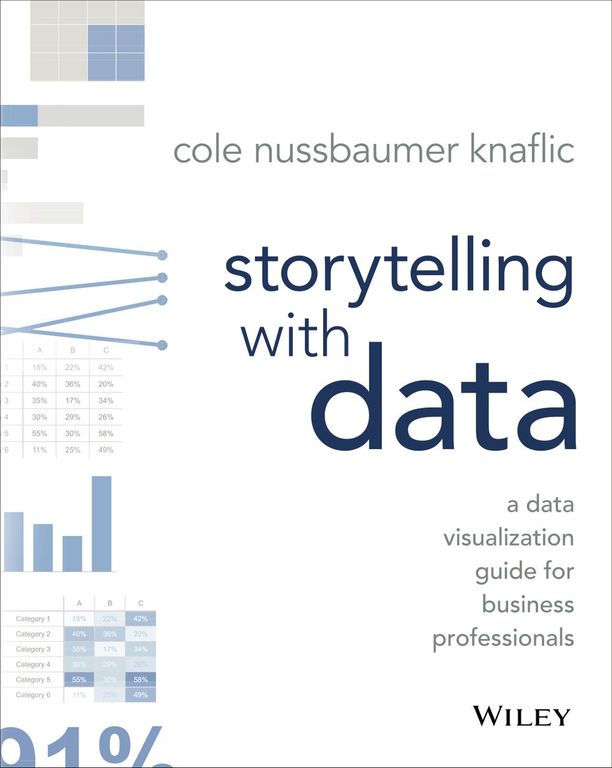
Nova: Exactly. And that's precisely what we're dissecting today, drawing powerful insights from by Nova's Take, and two foundational texts: by Cole Nussbaumer Knaflic, and by Chip Heath and Dan Heath. Knaflic, a former Google and Tableau wizard, knows data inside out, yet she champions story. The Heath brothers, meanwhile, are masters at making any message unforgettable. It’s this blend of analytical rigor and narrative magic that we're talking about.
Atlas: That sounds like the perfect combination for anyone who sees the bigger picture but struggles to get others to see it with them.
Nova: Absolutely. Because the cold, hard truth is: data alone doesn't persuade; stories do.
The Inherent Flaw of Data-Only Persuasion
SECTION
Nova: Our brains are wired for narrative, Atlas. Think about it: since the dawn of humanity, we've communicated through stories around campfires, not spreadsheets. When you just present data, you're speaking to the logical, analytical part of the brain. But decisions, especially strategic ones, often have a massive emotional component.
Atlas: I can definitely relate. I’ve seen countless brilliant analyses gather dust because they don’t connect. For our listeners who are impact seekers, this is a huge problem. You put in all that work, and it just... sits there.
Nova: It’s like trying to explain the taste of a mango by giving someone its nutritional facts. It's accurate, but it completely misses the experience. Knaflic talks about this beautifully. She argues that good data visualization isn't just about pretty charts; it's about crafting a within those visuals. It's about moving beyond just 'what' the data says to 'so what' and 'now what'.
Atlas: So you’re saying it’s not enough to just show the numbers, you have to tell their story? Like, if I'm presenting sales figures to a leadership team, I shouldn't just show a rising bar chart, but explain the 'journey' of those sales?
Nova: Precisely. Imagine a company trying to convince its board to invest in a new, riskier market. Presenting projected ROI figures is one thing. But telling the story of a potential customer in that market – their unmet needs, how this new product would transform their lives, the ripple effect on their community – that’s what creates resonance. It taps into empathy, aspirational goals, and a shared vision. That’s when the numbers become meaningful, not just abstract.
Atlas: That's such a powerful distinction. It feels like moving from being a data reporter to a vision caster. For someone who leads with influence, seeing information as part of a larger narrative is a game-changer.
Nova: It truly is. Data provides the, but the story provides the and the. Without that story, your evidence might be compelling on paper, but it struggles to ignite action. It remains theoretical.
Atlas: I know that feeling. It’s like you’ve built an incredibly strong case, but you’re speaking a different language to the people who need to hear it most. So, how do we translate that analytical language into this universal language of story?
Nova: That's the million-dollar question, and it's what differentiates a good analyst from a great leader. It’s about recognizing that human beings respond to struggle, triumph, challenge, and resolution. Your data points, when strung together with a purpose, can become exactly that.
Atlas: That makes me wonder, for someone who's spent their career honing analytical skills, how do they even begin to pivot their mindset to prioritize this narrative element? It feels like a big shift.
Nova: It's a fundamental shift, but an essential one for true leadership. It's about asking not just 'what does the data show?' but 'what story does this data tell?' And more importantly, 'what story this data tell to move us forward?'
The Science and Art of Crafting Sticky Narratives
SECTION
Nova: And that naturally leads us to the second key idea: how do we actually these stories sticky? This is where Chip and Dan Heath's becomes almost a blueprint. They outline six principles: Simplicity, Unexpectedness, Concreteness, Credibility, Emotions, and Stories themselves. Let's call them SUCCESs.
Atlas: SUCCESs. I love that. For an adaptive communicator, having a framework like that is incredibly valuable. But how do these principles apply to, say, a strategic report? It sounds more like marketing.
Nova: It applies everywhere. Take 'Concreteness,' for example. Instead of saying, 'Our customer satisfaction has improved significantly,' you say, 'Our customer satisfaction calls are down by two-thirds, and we've heard directly from Sarah, a long-time client, who said her last interaction was 'surprisingly delightful'.' That's concrete. It's vivid. It's memorable. It's like the difference between describing a forest and showing someone a picture of a specific tree with a bird's nest in it.
Atlas: Okay, so instead of abstract concepts, give me something I can touch, see, or hear. That makes total sense. How about 'Unexpectedness'? In a strategic context, isn't that risky?
Nova: Not risky, but strategic. Unexpectedness grabs attention because it breaks a pattern. Think about a CEO launching a new, counter-intuitive strategy. Instead of just presenting it as the logical next step, they might start by highlighting a common assumption that everyone holds, then reveal how that assumption is actually the company, and introduce their surprising solution. It creates a 'gap' in knowledge that the audience wants filled. It’s not about shock for shock's sake, but about surprising insights that lead to deeper understanding.
Atlas: That’s a brilliant reframing. It turns a potential weakness into a strength, using curiosity to drive engagement. So, for a strategic integrator who's always looking for foresight, this isn't just about influencing others, it's about making their own strategic insights more profound and memorable.
Nova: Exactly. And the 'Emotional' principle is key here. It doesn't mean manipulating people. It means tapping into what people about. For a business, it might be the future of their employees, the impact on their community, or the pride in their craftsmanship. When you connect your data to these deeper values, it resonates on a whole new level.
Atlas: That makes sense. It's about finding the universal human emotions within the numbers. For someone navigating rapid change, being able to connect on that level is crucial for maintaining alignment and momentum.
Nova: It really is. And the 'Story' principle itself, the last 'S' in SUCCESs, is the overarching container. It's the ultimate way to package all these elements. Stories are inherently sticky; they are how we make sense of the world. By consistently framing your communication as a narrative – with a challenge, a rising action, a turning point, and a resolution – you naturally incorporate all these principles.
Atlas: So, it's not just about telling story, but understanding that the very structure of a story is designed to make ideas stick and to move people. It’s like story is the operating system for human understanding.
Nova: A perfect analogy, Atlas. And for our listeners who are constantly seeking impact, this means their strategic analyses, their detailed reports, their presentations – they are all opportunities to tell a compelling story. It's the difference between merely informing and truly inspiring.
Synthesis & Takeaways
SECTION
Nova: Ultimately, mastering strategic storytelling transforms you from a presenter of facts into a leader who inspires vision and action. It's about turning information into influence. The 'Tiny Step' Nova’s Take suggests is incredibly powerful: take your last presentation, identify one key data point, and brainstorm a simple, emotional story that makes it 'stick' for your audience. It's about making that emotional connection.
Atlas: That’s a fantastic, actionable challenge. It's not about becoming a novelist overnight, but about finding the human element in your data. For our listeners, especially those driven by relevance and staying ahead, this is about future-proofing their communication. The world is awash in data; the real differentiator is who can make that data something.
Nova: Absolutely. It's about understanding that our deepest decisions are often guided by narrative, by the stories we tell ourselves and each other. By consciously crafting those stories, we step into our power as true leaders.
Atlas: So, if you want your strategic insights to not just be understood, but to be embraced and acted upon, you need to stop guessing what will resonate and start leading with compelling stories. What's one story you’re going to reinterpret this week?
Nova: A powerful question to leave our listeners with. This is Aibrary. Congratulations on your growth!