Influence and Persuasion: Mastering the Art of Getting to Yes.
Golden Hook & Introduction
SECTION
Nova: Atlas, what’s the first thing that comes to mind when I say 'persuasion'? Don't overthink it, just fire.
Atlas: Oh, easy. That one time I tried to convince my cat to take a bath. Spoiler: I lost. Horribly. And ended up with scratches. So, traumatic childhood memories, mostly.
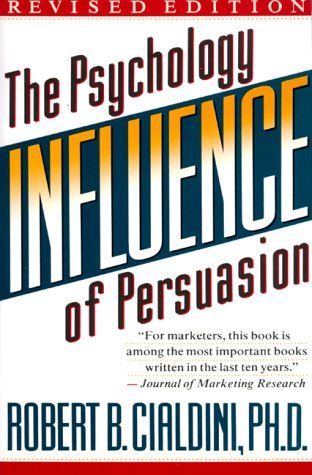
Nova: Exactly! A universal, albeit painful, experience in the art of getting to yes. Or, in your case, getting to a resounding, furry no. Today, we're diving into the absolute classics that dissect this very human dance of influence: Robert Cialdini's "Influence: The Psychology of Persuasion" and Chip and Dan Heath's "Made to Stick: Why Some Ideas Survive and Others Die."
Atlas: Oh, I love Cialdini! I heard he actually went undercover, working in sales and fundraising roles, to truly understand how influence works in the real world. That’s incredible commitment to research.
Nova: Absolutely! That hands-on, street-level credibility is precisely what makes his work so powerful. He wasn't just theorizing from an ivory tower; he was right there in the trenches, observing human behavior firsthand.
Atlas: That makes so much sense. It feels less like abstract psychology and more like a field guide. So many of our listeners, especially those in marketing, are always looking for ways to connect more genuinely with their audience. This isn't about tricking people, is it? It's about understanding them.
Nova: Precisely. It’s about ethical persuasion, not manipulation. And that distinction is vital. It’s about allowing your message to resonate deeper, to connect authentically. And Cialdini gives us the foundational 'why' behind that connection.
The Six Principles of Influence: Ethical Persuasion vs. Manipulation
SECTION
Nova: Cialdini identified six universal principles that consistently drive human behavior when it comes to saying 'yes'. The first is Reciprocity. It’s the deeply ingrained human tendency to want to return a favor. If someone gives us something, we feel obligated to give something back.
Atlas: Oh, I know that feeling. It’s like when you get a free sample at the grocery store, and suddenly you feel this weird pull to buy the whole package, even if you weren't planning to.
Nova: Exactly! Think about the Disabled American Veterans organization. They send out appeal letters, and some include a small, unsolicited gift—like personalized address labels. Just that tiny, unexpected gift dramatically increased their donation rates. It wasn't about the value of the labels; it was the feeling of obligation they triggered.
Atlas: That’s so clever. But wait, where does that cross the line into manipulation? If you're giving something just to get something back, isn't that a bit disingenuous?
Nova: That’s a great question, and it's where the 'ethical' part comes in. The key is intent. If your gift is genuinely valuable, if it's a true demonstration of goodwill, then the reciprocity is a natural, positive human interaction. If it's a thinly veiled bribe or a trick to get someone to do something against their best interest, then it's manipulation. For a marketer, offering genuine value upfront – like a helpful piece of content or a genuinely useful free trial – builds goodwill and trust, which can naturally lead to a sale. It’s not about forcing; it’s about fostering.
Atlas: I can see that. It's about building a relationship, not just closing a deal. So, what’s another one of Cialdini's big six?
Nova: Let’s talk about Social Proof. This is our tendency to look to others to determine what is correct behavior, especially when we're uncertain. If everyone else is doing it, it must be right, or at least acceptable.
Atlas: Right, like when you're looking for a restaurant in a new city, and you see one that's packed with people and another that's empty. You’re almost always going to pick the busy one.
Nova: Precisely! Or think about online reviews. A product with thousands of five-star reviews is inherently more trustworthy than one with only a handful. One powerful example Cialdini cites is from a study where researchers tried to get people to reuse towels in hotel rooms. When the message focused on environmental benefits, it had some effect. But when the message said, "75% of guests who stayed in this room reused their towels," the reuse rate jumped by 26%!
Atlas: Whoa. So it wasn't about saving the planet; it was about being like the other people who stayed in that specific room. That’s kind of wild. It's like we're constantly scanning our environment for cues on how to behave.
Nova: Exactly. It's a fundamental shortcut our brains use. For a marketing grad, this means showcasing testimonials, user-generated content, or simply highlighting your product's popularity. It's about demonstrating that others are already benefiting and are satisfied, which reduces perceived risk for new customers.
Atlas: That makes sense. It’s like, you’re not taking a leap of faith alone. You’re joining a community.
Crafting 'Sticky' Messages with SUCCESs
SECTION
Nova: Now, knowing these psychological triggers is incredibly powerful, but it’s only half the battle. Because even if you know what influences people, how do you make sure your message is actually and, more importantly,?
Atlas: That’s the million-dollar question, isn't it? In a world flooded with information, getting attention is hard enough, but getting it to stick? That feels almost impossible sometimes.
Nova: That's where Chip and Dan Heath come in with "Made to Stick" and their brilliant SUCCESs framework: Simple, Unexpected, Concrete, Credible, Emotional, and Stories. These are the ingredients for ideas that truly resonate and endure.
Atlas: Okay, so SUCCESs. That's a great acronym. Give me an example of 'Unexpected.' Because in marketing, we're always trying to surprise people, but it often just comes off as gimmicky.
Nova: Totally. Unexpected means breaking a pattern, violating an expectation. It grabs attention because our brains are wired to notice novelty. A classic example the Heath brothers explore is the "Nordstrom tire" urban legend. The story goes that a customer tried to return a set of tires to Nordstrom, despite Nordstrom not selling tires. The store took them back, no questions asked, refunding the full amount.
Atlas: Wait, really? Did that actually happen?
Nova: It’s an urban legend, but the fact that it true and is the point. It’s unexpected because it violates our expectation of what a department store would do. It’s so concrete and surprising that it gets told and retold, illustrating Nordstrom's legendary customer service. That’s how you make an idea sticky: you make it unexpected and concrete. It’s not just "great customer service"; it’s "they took back tires they don't even sell!"
Atlas: That’s a perfect example! It’s not about grand gestures; it’s about a specific, vivid detail that paints a clear picture. So, what about 'Stories'? That feels like a natural fit for pretty much anything.
Nova: Stories are incredibly powerful because they engage us on multiple levels. They are inherently emotional, concrete, and often contain unexpected elements. The Heath brothers talk about how stories provide simulation and inspiration. Think about the famous "Subway diet" story with Jared Fogle.
Atlas: Oh yeah, the guy who lost a ton of weight eating only Subway sandwiches. That was huge.
Nova: It was! It wasn't just a statistic about calorie reduction; it was a relatable story of transformation. It was Simple—eat Subway, lose weight. It was Unexpected—who knew fast food could be a diet? It was Concrete—you saw him, you saw the clothes. It was Credible—he was a real person. It was Emotional—a journey of health. And it was a Story. That combination made it incredibly sticky and drove massive sales for Subway.
Atlas: That’s amazing. So, it's like combining Cialdini's 'Liking' and 'Social Proof' with the Heath brothers' 'Stories' and 'Emotional' elements. If you can get people to like you and relate to your story, and then show them others are doing it too, that’s a powerful cocktail. For our listeners who are trying to launch their own campaigns, this is gold. How do you make your message simple enough to cut through the noise, but still have enough credibility?
Nova: It's about stripping away jargon, focusing on the single most important idea, and then making it vivid and concrete. Credibility, from the Heath perspective, can come from internal details, anti-authority figures, or even just statistical evidence made relatable. It's not about dumbing down, it's about clarity and impact.
Synthesis & Takeaways
SECTION
Nova: So, what we've really explored today is that true mastery of influence and communication comes from understanding both the of persuasion and the of sticky messages. Cialdini gives us the underlying human triggers, the 'why' people say yes, whether it's through Reciprocity or Social Proof.
Atlas: And the Heath brothers give us the 'how' – how to package those messages so they actually land and stay with people, using things like Unexpectedness and powerful Stories. It’s like Cialdini shows you the lock, and Heath and Heath give you the key to opening it.
Nova: Exactly! For anyone in marketing, or really anyone trying to communicate effectively, the ethical application of these principles is key. It's about building genuine trust and long-term relationships, not just fleeting transactions. When you combine genuine value with a message that truly resonates, you create something far more impactful than mere manipulation.
Atlas: That’s actually really inspiring. It reframes what persuasion can be. It’s about being understood and connecting on a deeper level. I imagine a lot of our listeners are now thinking about their own marketing efforts, or even just their daily conversations, in a completely new light.
Nova: I hope so! My challenge for everyone listening is this: Choose one of Cialdini's principles—Reciprocity, Social Proof, Liking, Authority, Scarcity, or Commitment and Consistency. For the rest of today, just observe it. See if you can spot it in action in a marketing campaign, an advertisement, or even a simple interaction you encounter. Just observe, without judgment.
Atlas: That’s a fantastic tiny step. Just noticing it makes you more aware of the world around you and how these subtle forces are always at play. It’s like unlocking a secret level of human interaction.
Nova: Absolutely. And once you start seeing it, you can start applying it, ethically and effectively.
Atlas: This is Aibrary. Congratulations on your growth!