The Strategic Storyteller's Toolkit: Marketing & Influence
Golden Hook & Introduction
SECTION
Nova: Atlas, rapid-fire word association. I'll say a word, you give me the first thing that pops into your head. Ready?
Atlas: Oh, I like this! Hit me.
Nova: Influence.
Atlas: Magic.
Nova: Magic! That's brilliant. Because for so many, the idea of influencing an audience, or making an idea spread like wildfire, feels a lot like magic, doesn't it? Like some secret spell that only a few truly powerful people know.
Atlas: Honestly, yes! You see something go viral, or a campaign just hit differently, and you wonder, "How did they that?" It seems almost effortless, but I know it isn't.
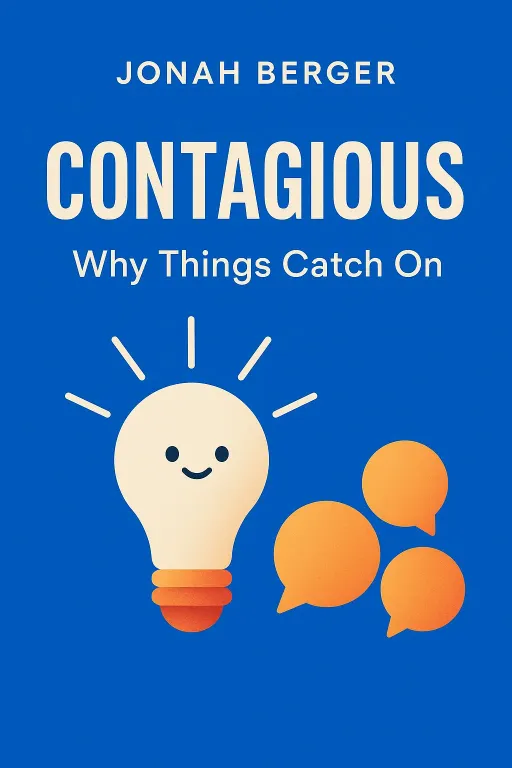
Nova: It’s absolutely not effortless, but it is deeply rooted in psychology. Today, we're pulling back the curtain on that "magic" with two foundational texts for any strategic storyteller: Jonah Berger's "Contagious: Why Things Catch On" and Robert Cialdini's "Influence: The Psychology of Persuasion."
Atlas: Oh, I've heard whispers about Cialdini! Isn't he the one who practically invented the field of modern persuasion studies?
Nova: He absolutely is. What's fascinating about Cialdini is that he didn't just theorize from an ivory tower. He spent years going undercover, immersing himself in sales organizations, fundraising groups, and advertising agencies to observe influence tactics first-hand. His work is a masterclass in understanding human behavior from the trenches. And Berger, a marketing professor at Wharton, brings that same empirical rigor to understanding why ideas spread, grounding his work in extensive data and research.
Atlas: That's a great way to put it, "from the trenches." So, for anyone trying to make their mark, to genuinely connect and create impact, these aren't just academic theories, are they? They're practically playbooks.
Nova: Exactly. They are the psychological keys to unlocking widespread engagement. First, we'll dive into the science of what makes ideas contagious and shareable. Then, we'll discuss the timeless art of influence and the psychology behind human persuasion.
The Science of Spread: Making Ideas Contagious
SECTION
Nova: So, let's start with the "magic" of things catching on. Berger, in "Contagious," distills this into six core principles he calls STEPPS. The first is Social Currency. It's about making people feel good about themselves when they share something. Think about secret bars or exclusive clubs. You don't just go, you about going.
Atlas: I get that. It’s like when you tell someone you got a sneak peek of something before anyone else. You’re not just sharing information; you're sharing your status. But how does that apply to just an or a? How do you make an abstract concept feel like social currency?
Nova: That’s where the strategic storytelling comes in. You frame your idea in a way that makes the person sharing it look smart, insightful, or in-the-know. It's not just "here's a fact," it's "here's an amazing insight that I discovered, and now I'm sharing it with you." For instance, think about a complex concept explained simply; sharing that explanation makes the sharer seem articulate.
Nova: The second principle is Triggers. These are stimuli in our everyday environment that remind us of something. Berger uses the famous example of Kit Kat and coffee. For years, Kit Kat struggled to increase sales, but when they started linking their chocolate bar to coffee breaks, sales surged. Coffee is a ubiquitous trigger.
Atlas: Oh, I see. So it's not about forcing a memory, but leveraging existing connections in people's minds. Are modern digital trends, like memes or specific sounds on social media, basically just highly effective triggers?
Nova: Absolutely! A meme uses a visual or audio trigger that's already familiar, instantly recalling a shared cultural context. It’s a shortcut to relevance. The more often something comes to mind, the more likely we are to talk about it.
Nova: Next up is Emotion. We tend to share things that evoke high-arousal emotions—not just happiness, but also anger, awe, or humor. Remember the viral ice bucket challenge? It wasn't just about charity; it evoked a strong sense of community, fun, and even a little bit of daring.
Atlas: That’s actually really inspiring. So it’s not just about positive emotions. It's about strong emotions that compel action or sharing. But this feels a bit like walking a tightrope. Is there an ethical line when intentionally triggering emotions for spread?
Nova: That's a critical question, and it speaks directly to the "Strategic Storyteller" who wants to make a mark responsibly. The ethical line is crossed when you manipulate emotions for personal gain without genuine value or when you spread misinformation. Berger emphasizes that these are principles of things spread, not necessarily. The responsibility lies with the storyteller.
Nova: The fourth principle is Public. This means making something observable. If people can see others doing something, they're more likely to imitate it. Think about the yellow "LiveStrong" bracelets or visible product logos. Their very visibility creates social proof and encourages others.
Atlas: Right, like when you see a long line outside a restaurant, you instantly think, "That must be good." It’s public validation.
Nova: Exactly. And the fifth is Practical Value. We share things that are genuinely useful or helpful to others. Life hacks, how-to guides, money-saving tips—these all fall into this category. People love to help others, and sharing valuable information is an easy way to do that.
Atlas: That makes sense. It’s the ultimate "give back" in a digital age. And the last one?
Nova: Stories. People don't just share information; they share narratives. If you can embed your message or product into a compelling story, it becomes more memorable and shareable. Think about the classic story of David and Goliath. The underlying message is about overcoming impossible odds, but it’s the story that endures.
Atlas: So, for someone trying to make their mark, to define their unique voice, it's not just about they say, but they wrap it up in a shareable package using these STEPPS principles. It’s about being deliberate.
The Art of Influence: Mastering Persuasion Psychology
SECTION
Nova: Once an idea is spreading, how do we ensure it actually people? That's where Cialdini's timeless principles of influence come in. He identifies six universal psychological triggers that guide our decision-making. The first is Reciprocity. We feel obligated to return favors. If someone gives us something, we're more likely to give back.
Atlas: Oh, I’ve been there. You get a free sample, and suddenly you feel a little guilty just walking away. Or someone helps you out, and you instantly look for a way to return the kindness. It’s a powerful, almost primal urge.
Nova: It absolutely is. And that leads us to Commitment and Consistency. Once we've made a small commitment or taken a stand, we feel a psychological pressure to behave consistently with that initial commitment. For instance, if you get someone to sign a petition for a cause, they're much more likely to donate to that cause later.
Atlas: That's a great way to put it. So, for a visionary building a personal brand, starting with small, consistent content—a daily tip, a weekly insight—isn't just about building an audience, it's about building a consistent commitment from that audience over time?
Nova: Precisely. You're building a pattern of engagement. The next principle is Social Proof. This is the idea that we look to others to determine what is correct behavior, especially when we're uncertain. If everyone else is doing it, it must be the right thing to do.
Atlas: Huh. That sounds a bit like herd mentality, and sometimes, the herd is wrong. In an age of potentially fake reviews or manipulated trends, isn't relying on social proof a bit risky?
Nova: That’s a very sharp point, Atlas. Cialdini’s principles describe we're influenced, not necessarily that influence is always rational or beneficial. The power of social proof is undeniable, even if the "proof" is sometimes flawed. For a strategic storyteller, it means genuine testimonials, visible community engagement, and authentic endorsements are incredibly potent. But yes, the ethical use of these principles is paramount.
Nova: Then there's Authority. We tend to defer to credible experts. This is why doctors wear white coats, or why credentials are so important. We trust those who appear to know more.
Atlas: Right, like when a respected voice in an industry speaks, people listen differently. It’s not just about what they say, but is saying it.
Nova: Exactly. The fifth principle is Liking. We are more likely to be influenced by people we know and like. It's why sales professionals often try to find common ground or offer compliments.
Atlas: That makes perfect sense. We gravitate towards people we feel a connection with, which is huge for personal branding. But then there’s Scarcity. Limited availability, limited time offers—these make things seem more desirable. How do you balance being authentic and likable with creating urgency through scarcity?
Nova: That’s the tightrope walk for any strategic storyteller. The key, as Cialdini himself stresses, is to use these principles ethically. Scarcity, for instance, should be genuine. If there's truly limited availability or a real deadline, then it's an honest application of the principle. If it's fabricated, it erodes trust and likability. The most effective influence is built on genuine connection and authentic value, not manipulation.
Synthesis & Takeaways
SECTION
Nova: So, what we've really explored today is that strategic storytelling isn't just about having a great idea or a compelling message. It's about understanding the underlying psychology of how ideas spread and how people are persuaded. Berger gives you the blueprint for virality, and Cialdini provides the tools for conversion.
Atlas: It’s like engineering both the initial spark and the sustained fire, isn't it? For an aspiring visionary, someone who wants to make a significant mark, this is more than just marketing; it’s about profoundly understanding human nature.
Nova: It truly is your superpower. When you grasp people share and they are persuaded, you can unlock widespread engagement and impact, ensuring your message not only reaches but also resonates deeply and moves people to action.
Atlas: What's one story you're telling – or want to tell – where you can intentionally weave in one of these principles to make it truly unforgettable and impactful? Think about a recent campaign or story that really resonated with you. Can you spot the STEPPS or Cialdini’s principles at play? How can you incorporate those into your own work?
Nova: It’s about being intentional. Start small. Perhaps just pick one principle, like 'Practical Value' or 'Reciprocity,' and see how you can subtly integrate it into your next piece of content or interaction.
Atlas: The impact could be exponential.
Nova: This is Aibrary. Congratulations on your growth!