The Invisible Threads: Mastering Influence Without Manipulation.
Golden Hook & Introduction
SECTION
Nova: Most people think influence is about having the loudest voice, or the biggest budget, or the most positional power. The truth is, it’s far more subtle, more human, and infinitely more effective when it’s invisible.
Atlas: Invisible influence? That sounds almost… magical. Or a little bit intimidating, depending on who’s wielding it. How can influence be truly invisible and still be powerful? Isn’t that a bit of a contradiction?
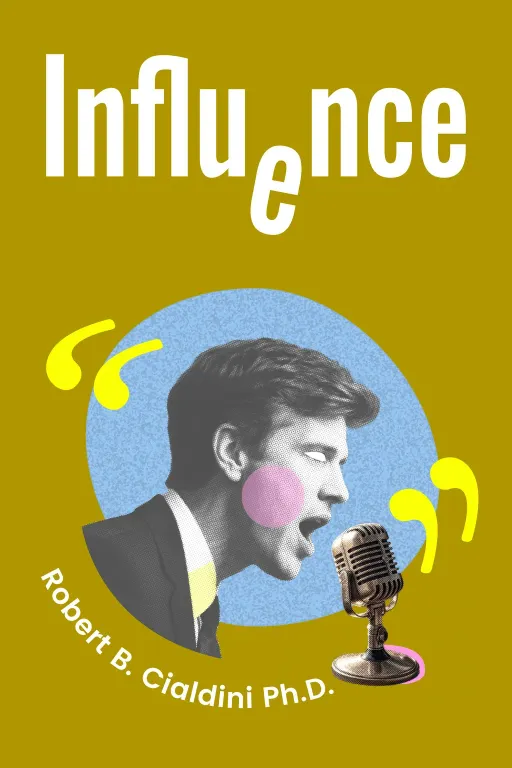
Nova: It’s absolutely not! And that’s what we’re unraveling today on Aibrary, as we dive into the invisible threads that truly master influence, all without a hint of manipulation. We’re drawing insights from two titans in this space: Robert Cialdini’s seminal work, “Influence,” and Chris Voss’s high-stakes guide, “Never Split the Difference.”
Atlas: Oh, Cialdini! The social psychologist who practically went undercover, embedding himself with car salesmen and telemarketers to understand the real-world mechanics of persuasion. That’s dedication. And Voss, a former FBI hostage negotiator, brings a whole different level of intensity and practical application to the table. These aren’t armchair theorists, are they?
Nova: Absolutely not. They are the ultimate practitioners, and their insights fundamentally solve the challenge of effective persuasion by providing actionable psychological principles for building trust and achieving alignment. So, Atlas, let's start with the foundational question: what are these fundamental drivers of human decision-making that Cialdini spent years dissecting?
The Six Pillars of Ethical Influence
SECTION
Nova: Robert Cialdini, a pioneer in social psychology, meticulously researched this, and he boiled it down to six universal principles. They’re not tricks; they’re deeply ingrained human tendencies. Let’s take reciprocity and social proof as our first two.
Atlas: Hold on, so it’s not about forcing people, it’s about understanding how they’re? That’s actually really inspiring, especially for someone trying to build a strong, ethical culture in their organization.
Nova: Exactly! Imagine you’re launching a new, innovative product – let's say a groundbreaking software tool for architects. Instead of just pushing features, you could first offer a genuinely valuable, free mini-tool or resource related to their work, with no strings attached. That's reciprocity in action. People feel a natural, often unconscious, obligation to return a favor.
Atlas: So, you give first, truly, genuinely. Not just a lead magnet, but something that actually solves a tiny problem for them. I can see how that builds goodwill. It’s like, “Hey, we just helped you out, maybe you should check out what else we’ve got.”
Nova: Precisely. And then, once a few early adopters are using your new software tool and loving it, you highlight their positive experiences. You showcase testimonials from respected architects, or share statistics about how many firms are already integrating it. That’s social proof. When people see others they respect, or a large number of their peers, adopting something, they’re far more likely to follow suit.
Atlas: But wait, for someone actually building a culture, how do you use, say, reciprocity, without it feeling like a transactional bribe? Or social proof without it just being a popularity contest? Because genuine trust is key to sustainable growth.
Nova: That’s a brilliant distinction, Atlas. The "without manipulation" part is crucial. For reciprocity, it’s about genuine giving, not strategic gifting with an immediate expectation. It’s about building a reputation as someone who provides value. In a culture, it might be offering mentorship, flexible work options, or investing in employee development – not because you expect immediate overtime, but because you genuinely value your team.
Atlas: I can see that. And social proof, then, isn’t about faking numbers. It’s about showcasing community and success stories. “Look at how our team members are thriving,” not “Look at how many people clicked this link.” It's about genuine connection, not just ticking boxes. I like that.
Nova: Exactly. The other principles – commitment and consistency, authority, liking, and scarcity – all work similarly. They tap into our natural desire to be consistent with our past actions, to follow credible experts, to say yes to people we like, and to value things that are rare. When applied ethically, they become powerful tools for alignment and inspiration.
Empathy-Driven Negotiation: Beyond Winning
SECTION
Nova: Exactly, Atlas. And building on that idea of genuine connection, our next insight takes us into the high-stakes world of negotiation. Because even when you understand these principles, what happens when you’re facing a brick wall? When someone is completely resistant to your vision, your product, or your proposal? That’s where Chris Voss, a former FBI hostage negotiator, comes in with his concept of empathy-based negotiation.
Atlas: Voss is fascinating because he trained to deal with literal life-or-death situations. You can’t just charm your way out of a hostage crisis. So, what’s his secret? How does empathy factor into something so high-stakes?
Nova: He argues that traditional negotiation often devolves into a battle of wills, with each side trying to "win." Voss flips that on its head. He says true negotiation isn't about winning; it's about active listening and understanding the other party's perspective so deeply that you can achieve a win-win outcome. He calls it "tactical empathy."
Atlas: Wow, so it’s like turning a confrontation into a conversation. That’s a powerful shift. Most people go into negotiations with their battle armor on.
Nova: Precisely. Let me give you a hypothetical scenario. Imagine you’re a product leader, and you need a significant budget increase for a crucial new feature, but a key stakeholder is vehemently opposed, citing cost overruns from previous projects. Instead of immediately defending your numbers, Voss would have you start by actively listening.
Atlas: So, not interrupting, not preparing your counter-argument in your head, just… listening? That’s harder than it sounds.
Nova: It is. And then, using techniques like mirroring – simply repeating the last few words they said – or labeling their emotions. So, if they say, "This is too expensive, and frankly, I'm worried about the precedent it sets," you might mirror, "Worried about the precedent it sets?" or label, "It sounds like you're concerned about the long-term financial implications and perhaps a little frustrated with past experiences."
Atlas: That’s interesting. It sounds like you’re not agreeing with them, but you’re acknowledging their feelings. Like you’re saying, "I hear you, and I understand where you're coming from."
Nova: Exactly! That's the tactical empathy. You’re not saying "I agree," you’re saying "I understand." This defuses tension, makes them feel heard, and builds rapport. It allows you to uncover their needs and fears, which are often different from their stated objections. Maybe they’re not just worried about cost, but about their own reputation if this project fails, or about resource allocation for their own team.
Atlas: But how does this "tactical empathy" prevent manipulation? Because it sounds like you’re just trying to get inside someone’s head to find their weak spots. For leaders who prioritize building trust and sustainable growth, isn’t there a fine line there?
Nova: That's a critical question, Atlas. The difference lies in the. Manipulation is about exploiting vulnerabilities for your sole benefit. Tactical empathy, as Voss teaches it, is about understanding their perspective so deeply that you can collaborate on a solution that genuinely addresses your needs. It's about finding the "black swan" — the hidden piece of information that changes everything for the better, for everyone involved. It builds real, lasting trust because you’ve demonstrated that you care about their concerns, not just your own.
Atlas: I can see how that would be game-changing for inspiring a team or navigating complex product development decisions, where you need true buy-in, not just mere compliance. It's about getting to genuine alignment, not just a forced agreement.
Synthesis & Takeaways
SECTION
Nova: Precisely. When you connect Cialdini's foundational understanding of people decide with Voss's practical application of to engage deeply, you unlock a powerful, ethical form of influence. It moves beyond the superficial tactics and delves into the very core of human connection and mutual respect.
Atlas: So, it's not about being the loudest in the room, or having the most leverage. It's about being the most attuned, the most understanding, and ultimately, the most trustworthy. That’s a profound shift in how we think about leadership and persuasion. It transforms a win-lose dynamic into an opportunity for collective success and stronger relationships.
Nova: Absolutely. Mastering these invisible threads isn't about learning tricks; it's about cultivating a profound respect for human psychology and a commitment to genuine connection. It's about making your vision resonate so deeply with others that they genuinely want to follow, leading to sustainable impact and truly inspiring cultures.
Atlas: That’s a powerful takeaway. So, for everyone listening, in your next significant conversation, consciously apply just one of these principles. Maybe it's Cialdini's reciprocity – offer genuine value first. Or perhaps Voss's tactical empathy – truly listen, mirror, and label emotions. Focus on genuine understanding rather than just presenting your argument. See how it shifts the dynamic, how it builds connection, and how it opens doors to alignment you didn't even know were there.
Nova: It’s a tiny step, but it can lead to monumental shifts in how you influence, how you lead, and how you connect.
Atlas: This is Aibrary. Congratulations on your growth!