Strategic Influence: How to Lead Without a Formal Title
Golden Hook & Introduction
SECTION
Nova: What if I told you that having a fancy title, a corner office, or even a direct reporting line actually hinders your ability to lead effectively?
Atlas: Oh, I love that. That’s a bold claim, especially in environments where hierarchy feels like the air we breathe. Are we talking about a secret society of shadow leaders here, or something more grounded?
Nova: More grounded, Atlas. Today, we're diving into the core philosophy behind 'Strategic Influence: How to Lead Without a Formal Title,' a concept drawing heavily from the insights of brilliant minds like Robert Cialdini and Simon Sinek. It's about recognizing that true power resides not in your job description, but in your capacity to influence.
Atlas: That makes me wonder, how often do we mistake a job title for actual leadership? I imagine a lot of our listeners, especially those in fast-paced, high-stakes fields like finance or tech, feel like they hit a wall when their formal authority runs out.
The Illusion of Formal Authority: Why Influence Trumps Position
SECTION
Nova: Exactly. The cold, hard fact is that formal authority alone isn't enough to drive change. Think about a brilliant project manager, let's call her Sarah. She has the title, the charts, the Gantt timelines. But her team drags their feet, misses deadlines, and quietly undermines her decisions. Why? Because she relies solely on her positional power: "Do this because I said so, or because it's in the project plan."
Atlas: That happens everywhere. I’ve seen it in teams, in financial trading floors, even in casual group projects. People go through the motions, but there's no real buy-in. It's compliance, not commitment.
Nova: Precisely. The problem with relying on formal authority is that it often breeds resentment and passive resistance. It’s a transactional relationship: "I have the power, you do the work." But it completely misses the human element of motivation. The moment your back is turned, or the threat of that authority lessens, so does the effort.
Atlas: So, it's a short-term solution, not a sustainable way to build a high-performing team. I can see how that would be a huge issue for anyone trying to integrate complex strategies or drive innovation.
Nova: Now, imagine another leader, let's call him David. David is a senior analyst, no direct reports, no fancy "Head of Department" title, but when he speaks, people listen. When he proposes a new strategy, the team eagerly jumps on board, often putting in extra hours because they genuinely believe in his vision. His influence stems from his consistent track record, his willingness to help others, and his clear, passionate communication. He doesn't have a formal "lead" title, but he.
Atlas: That’s a great way to put it. It’s like the difference between being a boss and being a mentor. One tells you what to do, the other inspires you to want to do it. But how does David get that kind of pull without the official leverage? What's his secret sauce? He’s not just charismatic, surely?
Nova: No, it's more than charisma. It's a deliberate understanding and application of what truly moves people. His power isn't granted; it's earned. His leadership is built on a foundation of trust and perceived value, which is far more resilient than any organizational chart.
Atlas: So, the illusion is that the title gives you power, but the reality is that influence is the actual currency of leadership. This resonates with anyone who’s ever been frustrated by bureaucratic roadblocks, where titles clash more than they collaborate.
Mastering the Six Principles of Persuasion: Cialdini's Ethical Toolkit
SECTION
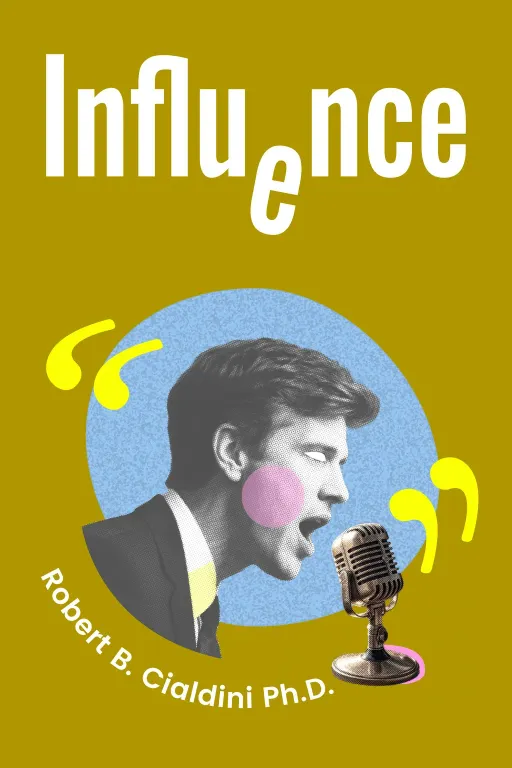
Nova: That's the perfect bridge to Robert Cialdini's groundbreaking work, 'Influence, The Psychology of Persuasion.' Cialdini spent years infiltrating sales organizations, cults, and marketing firms, understanding the subtle, often unconscious, art of getting people to say 'yes.' He distilled it into six universal principles.
Atlas: Okay, so this isn't about manipulation, I hope? Because I imagine some people hear 'persuasion' and think 'sleazy sales tactics,' especially in high-stakes environments where trust is paramount.
Nova: Absolutely not. When applied ethically, these principles build trust and consensus, fostering genuine collaboration. Let's take 'Reciprocity.' This principle states that we feel a natural, often subconscious, urge to return favors. Imagine David, our influential analyst, consistently offering help to colleagues – sharing valuable insights, staying late to assist with a crunch project, or mentoring a junior team member. When he later asks for their support on his big idea, they're far more likely to say yes, not out of obligation, but out of a genuine desire to reciprocate his generosity.
Atlas: That’s a powerful, almost innate human tendency. I’ve noticed that in my own interactions. The more I genuinely help others, the more they go out of their way for me, even without me asking. It’s not a quid pro quo; it’s just how humans operate.
Nova: Exactly. Then there's 'Social Proof.' We're wired to look to others for cues on how to think, feel, and act, especially when we're uncertain. If David can show that other respected colleagues, or even a small, successful pilot group, are already embracing his new strategy, it significantly lowers the barrier for others to join in. It’s the "everyone else is doing it, and it's working" effect, but applied smartly.
Atlas: So, if you want something to catch on, don't just tell people it's a good idea; show them that others already believe it's a good idea and are benefiting. That makes sense, especially in environments where people are risk-averse and prefer to see evidence of success. What about 'Liking'? Is it just about being popular, or is there more to it?
Nova: Much more. We're more likely to be influenced by people we like, people who are similar to us, or people who offer us genuine compliments. David builds rapport by finding common ground, actively listening to concerns, and offering sincere praise for colleagues' contributions. These aren't superficial tactics; they're about building authentic relationships and demonstrating empathy. It's about showing you understand their challenges.
Atlas: That’s such a fundamental human truth. We trust those we connect with, those who make us feel seen and valued. These principles, when you break them down, feel less like tricks and more like understanding the operating system of human interaction. They tap into our shared humanity. What’s another one that’s particularly potent?
Nova: 'Authority.' We tend to defer to experts or those perceived as credible. David, through his consistent knowledge, his accurate predictions, and his willingness to admit when he doesn't know something, builds a reputation as a trusted authority. He might cite relevant data, bring in external expert opinions, or simply demonstrate a deep understanding of the subject matter.
Atlas: So David isn't just people he's an expert; he's it through his actions and his knowledge. That’s a key distinction. It's not about flaunting a title; it's about demonstrating competence.
Nova: Precisely. And then there’s 'Commitment and Consistency.' Once we've made a small public commitment, we feel pressure to remain consistent with that commitment. David might ask for a small, initial agreement – perhaps to try out a new reporting format for a week. Once that small commitment is made, it becomes easier to ask for a larger one later.
Atlas: So, getting a foot in the door, then building on that initial agreement. That’s quite clever. It’s about gently guiding people rather than demanding a massive leap of faith.
Nova: The final principle is 'Scarcity.' We value things more when they are perceived as rare or limited. David might frame a new initiative as a unique opportunity, a limited window for innovation, or a chance to gain a competitive edge that won't last forever. This isn't about creating artificial urgency, but highlighting genuine opportunities that require timely action.
Atlas: This is fascinating. These six principles, when integrated thoughtfully, provide a powerful framework for building consensus and driving initiatives. It transforms leadership from a top-down mandate to a collaborative, influential journey. Before we get too tactical, though, what about the bigger picture? Why are we even trying to influence people in the first place? What's the ultimate goal?
The Power of 'Why': Inspiring Action Beyond Compliance with Simon Sinek
SECTION
Nova: That's the perfect segue to Simon Sinek's 'Start With Why.' Sinek argues that inspiring leaders communicate from the inside out, starting with their 'why' – their purpose, their cause, their belief. Most organizations communicate 'what' they do, then 'how' they do it. Sinek says, start with 'why.'
Atlas: So, instead of saying, "Here's our new trading algorithm, it's faster and more efficient, and here’s how it works," David would start with, "We believe in empowering our clients with unparalleled market insights, to help them navigate uncertainty and achieve their financial dreams. That's why we’ve developed this revolutionary algorithm."
Nova: Exactly! Think of Apple. They don't just sell computers; they sell challenging the status quo, thinking differently, empowering creativity. People buy their 'why,' not just their 'what.' When David communicates his new strategy, he doesn't just present data or processes; he articulates the deeper purpose. "This isn't just about a new process; it's about making our team the most agile and innovative in the company, so we can deliver breakthrough solutions to our clients, solutions that genuinely change lives."
Atlas: That creates a deeper connection. It's not just about a task; it's about a shared vision, a common belief. It moves people from mere compliance to genuine inspiration, where they to contribute. This is especially critical for those who want to make a real difference, not just tick boxes or execute orders.
Nova: Sinek emphasizes that people don't buy you do; they buy you do it. When your 'why' is clear, compelling, and consistent, it attracts those who believe what you believe. This builds a loyal following, not just a workforce. It fosters a culture of innovation and commitment, making influence almost effortless because you're tapping into something far deeper than logic.
Atlas: That's incredibly powerful. It explains why some leaders, with seemingly less formal power, can galvanize entire movements, while others, at the very top, struggle to get basic initiatives off the ground. It’s the difference between being a manager and being an inspirer.
Synthesis & Takeaways
SECTION
Nova: So, bringing it all together, leading without a formal title isn't about being a master manipulator or just having a charming personality. It's about understanding human psychology through Cialdini's ethical principles, building genuine connections, and articulating a compelling purpose through Sinek's 'why.' It's about becoming the resilient architect who, without a fancy designation, harmonizes dual ambitions, and the purposeful influencer who builds their brand through impact, not just position.
Atlas: That’s actually really inspiring. It means anyone, regardless of their position or industry – whether in finance, tech, or any other field – can cultivate profound leadership. It turns the traditional power structure on its head and says, "Your impact is limited only by your understanding of people." So, for our listeners, what's a tiny step they can take right now?
Nova: Identify one upcoming conversation where you can consciously apply one of Cialdini's principles. Perhaps reciprocity, by genuinely helping someone first, or social proof, by highlighting existing support for an idea. Or, before you speak, ask yourself: What's my 'why' for this interaction? Start small, observe the impact, and watch your influence grow.
Atlas: That’s a practical and powerful challenge. It’s about being intentional, integrating these insights into every interaction. The journey of integration.
Nova: Absolutely. It's about mastering that comprehensive excellence, making a difference one influential interaction at a time.
Atlas: Fantastic. This is Aibrary. Congratulations on your growth!