Stop Talking, Start Leading: The Guide to Persuasive Influence
Golden Hook & Introduction
SECTION
Nova: Alright, Atlas, quick game. We just finished diving deep into "Stop Talking, Start Leading: The Guide to Persuasive Influence." Give me your five-word review. What’s the essence?
Atlas: Oh, I love this game. Hmm… "Listen, label, lead, and conquer."
Nova: Ooh, punchy! I like it. Mine would have to be: "Influence isn't magic; it's method." And that, my friends, is why we’re dissecting this incredibly potent guide today. It's a book that fundamentally shifts how we think about impact.
Atlas: That’s a perfect way to put it. For anyone who's ever felt like their brilliant ideas just aren't landing, or their leadership isn't quite inspiring the action they want, this book is a revelation. I’m curious, Nova, the title itself is quite provocative: "Stop Talking, Start Leading." Who's behind this wisdom?
Nova: Excellent question, because the author's background is precisely what makes this guide so compelling. We're talking about Chris Voss, a former FBI hostage negotiator.
Atlas: Whoa, a hostage negotiator? That's quite a leap from the boardroom.
Nova: Absolutely. And that's exactly why his insights are gold for articulate professionals. He spent years in high-stakes, life-or-death situations where influence wasn't an option, it was a necessity. He had to learn how to de-escalate, connect, and guide outcomes without ever holding the power. So, when he talks about persuasive influence, it’s not theory; it’s battle-tested strategy.
Atlas: That makes me wonder, how does someone go from negotiating with bank robbers to writing a guide for everyday leaders? It sounds like the ultimate stress test for any influence framework.
Nova: It really is. And what’s fascinating is how he blends his hard-won experience with established psychological principles. He’s not just giving us anecdotes; he’s showing us the underlying mechanics. And that brings us perfectly to our first deep dive today: understanding those fundamental psychological levers that guide human behavior.
The Six Pillars of Persuasion: Cialdini's Framework
SECTION
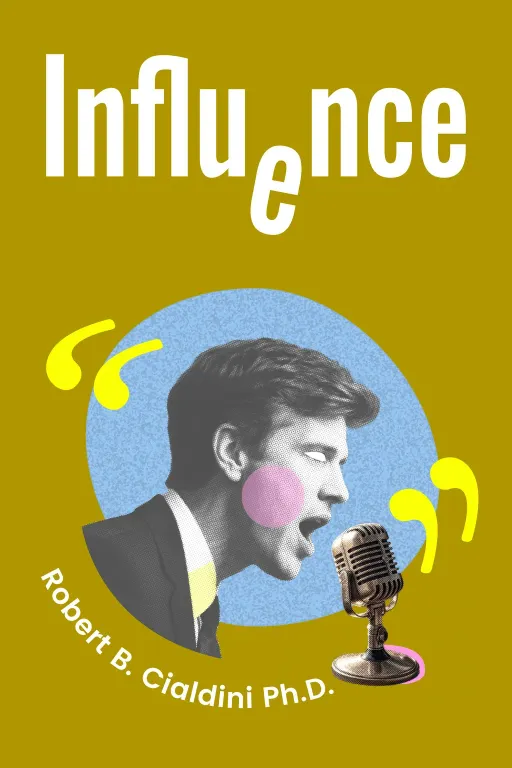
Nova: Many of us think persuasion is about having the best argument or the most facts. While clarity is important, true persuasion often operates on a much deeper, almost subconscious level. That's where Robert Cialdini comes in. His work, particularly "Influence: The Psychology of Persuasion," lays out six universal principles that, when understood, allow you to frame your communication strategically.
Atlas: Okay, but for our listeners striving for professional excellence, this sounds a bit like… manipulation. How do you use "psychological levers" and still maintain integrity and build genuine alliances?
Nova: That’s a brilliant and critical distinction, Atlas. Cialdini himself emphasizes that these principles are not about deceit; they're about understanding human nature. When used ethically, they build trust and facilitate win-win outcomes. For instance, let's talk about Reciprocity. It’s the deeply ingrained human tendency to want to return favors.
Atlas: Right, like if someone holds the door for you, you're more likely to hold it for the next person. But how does that play out in a strategic, professional context?
Nova: Imagine you're trying to get a busy colleague from another department to collaborate on a complex project. Instead of just demanding their time, you might first offer them some valuable information, a helpful connection, or even just genuinely listen to their challenges for a few minutes. That small, unsolicited act of giving triggers the principle of reciprocity. They're then psychologically more inclined to help you when you ask.
Atlas: That makes sense. It's not about a quid pro quo, but about establishing a relationship built on mutual value. So, it’s about giving first to create an opening for collaboration, rather than just asking.
Nova: Exactly. Now, let's look at another one: Social Proof. This is our tendency to look to others for guidance on how to behave, especially when we're uncertain.
Atlas: Oh, I know that feeling. It’s like when you’re at a new restaurant, and you pick the one with the most people inside.
Nova: Perfect analogy! In a professional setting, if you're trying to launch a new initiative, showcasing how similar, respected organizations or even internal teams have successfully adopted it can be incredibly powerful. It’s not just you saying it’s a good idea; it’s a collective endorsement.
Atlas: So, for a leader trying to get buy-in for a new strategy, instead of just presenting the data, they might highlight how a peer company achieved X results using a similar approach, or how early adopters within their own organization are already seeing positive outcomes.
Nova: Precisely. You're leveraging the collective wisdom, or perceived wisdom, of the group. And the final one I want to touch on is Authority. We're wired to respect and follow credible experts.
Atlas: Yeah, like doctors in lab coats, or that one person in the meeting everyone defers to because they actually know what they’re talking about.
Nova: Right. But it’s not just about job title. It's about demonstrating expertise, credibility, and trustworthiness. This could be through sharing relevant data, citing credible sources, or even just clearly articulating your experience in a way that conveys competence. It’s about being, and being perceived as, a reliable source of information.
Atlas: That’s a great way to put it. It’s not just about an authority, but that authority effectively and ethically. So, these Cialdini principles give us a framework for strategically positioning our message. But what happens when you’re in a situation where the other person is resistant, even adversarial? What if the levers feel stuck?
Empathetic Listening & Tactical Empathy: Chris Voss's Approach
SECTION
Nova: That’s a critical question, Atlas, and it leads us directly to the genius of Chris Voss. While Cialdini gives us the levers, Voss teaches us what to do when the other side isn't interested in playing by those rules, or when emotions are running high. His core insight from FBI hostage negotiation is the power of "tactical empathy."
Atlas: For an articulate professional, Nova, isn't 'listening' often seen as passive? How is this "tactical" and not just being agreeable? Because sometimes, especially for leaders, you have to stand firm.
Nova: Oh, it’s anything but passive, Atlas. Tactical empathy is about understanding the other person's perspective, not necessarily agreeing with it, but understanding it so profoundly that they feel heard. Voss says it’s about getting into their head, seeing the world through their eyes, even if you fundamentally disagree with their actions or demands.
Atlas: That sounds a bit out there, to be honest. How do you do that in a high-stakes moment, like a critical contract negotiation, or even just resolving a team conflict, without giving away your own position?
Nova: Let me give you a simplified example from his world. Imagine a hostage taker. They're often irrational, emotional, and feel cornered. Voss wouldn't start by demanding they surrender. He might say something like, "It seems like you're feeling incredibly frustrated right now, like no one understands your situation." Or, "It sounds like you feel completely disrespected."
Atlas: Wait, so he’s not asking a question. He’s making a statement about their emotion or their perceived reality.
Nova: Exactly! That’s a technique called "labeling." You identify and then verbalize the other person's emotions or underlying perspective. The magic happens when they respond with, "That's right!" or "No, it's not frustration, it's sheer terror!" Either way, they feel understood, and that creates a tiny crack in the wall of resistance. It's about disarming them, not by force, but by connection.
Atlas: So, the goal isn't agreement, but understanding. And by understanding, you gain influence, because they're more open to hearing your perspective once they feel heard. How does this apply to, say, a leader trying to get buy-in for a controversial decision?
Nova: A leader could use labeling by saying, "It sounds like many of you are concerned about the impact this change will have on your daily workflow," or "It feels like there's a strong sense of uncertainty about the future of this project." By articulating their perceived emotions or concerns, even if they aren't fully expressed, the leader validates those feelings. This builds trust and opens the door for a productive conversation, rather than just delivering a monologue.
Atlas: That’s actually really inspiring. It means you don't have to sacrifice your goals to be empathetic. You use empathy as a strategy to achieve your goals more effectively, by building trust. It’s like you’re saying, "I hear you, I understand your world, now let's talk about mine."
Synthesis & Takeaways
SECTION
Nova: Precisely, Atlas. When you combine Cialdini's understanding of the psychological levers of influence with Voss's tactical empathy, you move beyond just clear articulation to genuine persuasive leadership. It's about skillfully framing your message while deeply understanding the human element on the other side of the conversation.
Atlas: It truly redefines what it means to lead. It’s not about talking more, or even louder, but about strategically connecting and understanding. It’s about building those bridges of trust so that when you do speak, your words carry weight and inspire action.
Nova: And it makes you realize that true influence isn't about manipulation; it's about mastering human behavior and building genuine connections. It's about being the kind of leader people to follow, not because they have to, but because they feel seen, heard, and respected.
Atlas: So, for all our listeners out there, identify just one upcoming conversation. How can you apply one of Cialdini's principles – perhaps reciprocity or social proof – or put Voss's tactical empathy to work by truly listening and labeling? Try to understand, even if you don't agree. See what happens.
Nova: This is Aibrary. Congratulations on your growth!