Beyond Agreement: Mastering the Art of Influential Negotiation for Impact.
Golden Hook & Introduction
SECTION
Nova: Atlas, quick fire: negotiation. What comes to mind?
Atlas: Oh, man. Compromise. Headaches. Endless meetings. Sometimes, just… stalemate.
Nova: Exactly! And what if I told you that those very associations are precisely why most negotiations, especially the crucial ones, fall short of true, lasting impact? We're often aiming for the wrong target.
Atlas: That sounds like a bold claim, Nova. Most people think compromise is the holy grail. Are you suggesting we should throw that out the window?
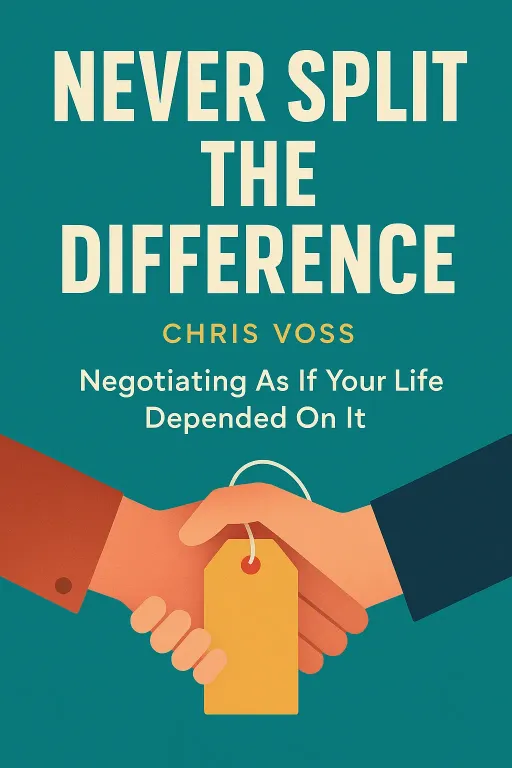
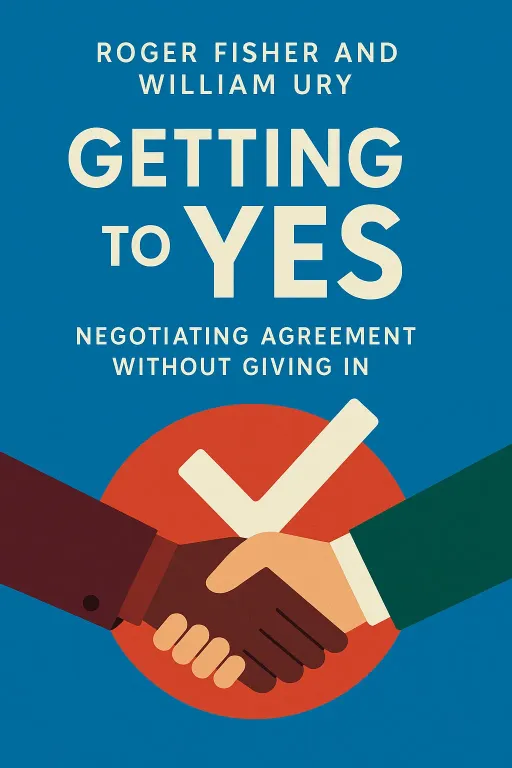
Nova: Well, maybe not the window, but certainly re-evaluate its position on the altar. Today, we're diving into two foundational texts that, when combined, offer a masterclass in influential negotiation for impact: "Getting to Yes" by Roger Fisher and William Ury, and "Never Split the Difference" by Chris Voss.
Atlas: Those are two powerhouses! Fisher and Ury, from the Harvard Negotiation Project, bring that principled, academic rigor. And then Chris Voss, the former FBI hostage negotiator, with his high-stakes, real-world tactics. They seem almost… at odds. How do these two seemingly different approaches combine to help someone trying to build sustainable pathways to a better future?
Nova: That’s the magic, Atlas. It's about blending that collaborative, interest-based diplomacy with the assertive, tactical empathy needed when the stakes are incredibly high. It’s about building something durable, not just getting a handshake.
Atlas: I'm intrigued. For anyone working on global policies or complex climate initiatives, understanding how to truly influence, not just compromise, sounds like a game-changer. Let's unpack it.
Beyond Compromise: Focusing on Interests, Not Positions
SECTION
Nova: So, let's start with "Getting to Yes." The core, revolutionary idea here is to separate the people from the problem, and to focus on interests, not positions. It sounds simple, but it's profoundly difficult in practice.
Atlas: Okay, so what’s the difference? Because in global policy, positions are often deeply entrenched. Nations literally draw lines in the sand, or in the air when we talk about carbon emissions. How do you even begin to uncover "interests" when the stated positions are so firm?
Nova: That's the crux of it. Think of it this way: two people are arguing fiercely over an orange. One says, "I need the whole orange!" The other declares, "No, need the whole orange!" Their positions are diametrically opposed. A compromise might be to split it down the middle.
Atlas: Sounds fair enough. That's what most people would do.
Nova: Exactly. But what if, when you dig deeper, you find out one person needs the peel to bake a cake, and the other needs the juice to make a drink? Their aren't actually in conflict at all. They both get 100% of what they truly need.
Atlas: Wow. So, it's about understanding the "why" behind the "what." The position is what you you want; the interest is you want it. That completely reframes the conflict.
Nova: Precisely. In a multi-national climate negotiation, for instance, a country might take a hard position on maintaining a certain level of industrial output. From the outside, it looks like they're resisting climate action. But if you dig into their interests, you might find their core concern is economic stability for their population, or fear of massive unemployment, or the need to secure food for a growing population.
Atlas: Ah, so it’s not about them being 'bad actors' or 'unwilling to cooperate,' it's about their underlying needs that aren't being met by the current proposals.
Nova: And once you understand those deeper interests, you can start to invent options for mutual gain. Maybe it's not about forcing them to shut down factories, but about providing technological transfer for cleaner production, or investing in sustainable agriculture to address food security, which then frees them up to consider different industrial policies. It transforms a zero-sum game into a collaborative problem-solving exercise.
Atlas: That’s a powerful shift. For anyone trying to see the bigger picture and build pathways to a better future, as many of our listeners are, this reframes conflict from an obstacle to a puzzle. It's about finding those hidden connections that can build truly sustainable solutions.
The Power of Empathy & Tactical Questioning in High-Stakes Negotiation
SECTION
Nova: And that naturally leads us to the second key idea we need to talk about, because while "Getting to Yes" gives us the strategic map for finding those interests, sometimes you need to navigate environments where trust is low, emotions are high, and the stakes are impossibly high. That's where Chris Voss's "Never Split the Difference" comes in. Voss, as a former FBI international hostage negotiator, brings a completely different kind of wisdom to the table.
Atlas: Hostage negotiation? That’s a far cry from a UN summit or a diplomatic trade deal. Are you telling me diplomats should start mirroring body language and saying "That's right" like they're talking down an armed bank robber? That sounds a bit out there for building long-term alliances.
Nova: Well, Atlas, it’s not about replicating the exact scenario, but understanding the universal human psychology at play. Voss's core insight is about tactical empathy. It’s not about agreeing with someone, but about understanding their perspective so deeply that they understood. He uses techniques like mirroring—simply repeating the last few words someone said—and labeling emotions.
Atlas: So you're saying, instead of saying, "I understand your frustration," which can feel dismissive, you'd say, "It sounds like you're feeling frustrated right now"?
Nova: Exactly! That subtle shift in language makes a huge difference. You're not judging or dismissing; you're simply reflecting what you hear. And then there's the 'No' oriented question. Instead of asking, "Do you agree with this proposal?" you ask, "Is it ridiculous for me to ask you to consider this proposal?"
Atlas: That’s counterintuitive. Why would you invite a "no"?
Nova: Because "no" feels safe. When someone says "no," they feel in control. It allows them to voice their concerns without feeling pressured. It’s a way to disarm, to create a sense of psychological safety, which is crucial when trust is low. Imagine a tense negotiation over fishing rights in disputed waters. Instead of diplomats just exchanging demands, one side might use tactical empathy: "It seems like you're deeply concerned about the economic impact on your coastal communities if these new regulations are implemented."
Atlas: And that would make the other side feel heard, rather than immediately defensive. It opens the door to them clarifying their interests, which might be about sustainable livelihoods, not just defiance.
Nova: Precisely. And then, instead of pushing a solution, you might ask a "No" oriented question like, "Would it be a terrible idea for us to explore a joint conservation and economic development program in this region?" It invites them to think, to collaborate, rather than just react. Voss teaches that influence is about understanding the other side's worldview, not imposing your own.
Atlas: Wow, so it’s about making them feel heard, not just heard, but, even when you fundamentally disagree with their position. That’s a powerful tool for someone trying to bridge divides and build trust in complex global relationships, whether it’s a climate treaty or a trade dispute. It's about understanding the human element that often gets lost in formal discussions.
Synthesis & Takeaways
SECTION
Nova: So, when you bring these two approaches together, Atlas, it’s incredibly powerful. "Getting to Yes" gives you the principled framework to look beyond the surface and find those underlying interests, transforming a win-lose into a win-win. And "Never Split the Difference" provides the tactical, psychological tools to navigate the emotional landscape, build rapport, and uncover information even in the most adversarial settings.
Atlas: It seems like the biggest takeaway here is that before you even walk into a room, your most powerful weapon isn't your position, but your preparation to. Understanding their interests, understanding their emotional state, understanding their worldview.
Nova: Absolutely. The "Tiny Step" from our core content for today is to list the underlying interests of all parties involved before your next important conversation, not just their stated positions. It's a simple act of preparation, but it fundamentally shifts your mindset from confrontation to collaboration.
Atlas: This isn’t just about winning a negotiation; it’s about creating something new that genuinely serves everyone, especially for those of us trying to tackle massive global challenges like climate change, where true impact means building sustainable pathways, not just temporary ceasefires. It really speaks to that drive for self-mastery and making a lasting difference.
Nova: Indeed. Influential negotiation isn't about outsmarting; it's about out-understanding. When you master these skills, you're not just securing agreements; you're building the foundations for a more collaborative and sustainable future. This is a crucial skill for any diplomat, innovator, or builder creating a better tomorrow.
Atlas: It’s about moving beyond the superficiality of compromise to the depth of true, shared impact.
Nova: This is Aibrary. Congratulations on your growth!