Mastering the Art of Deep Listening & Empathy
Golden Hook & Introduction
SECTION
Nova: You know, it’s funny how often we think we’re communicating when, in reality, we’re just taking turns talking. We're often more focused on crafting our next brilliant point than actually absorbing what the other person is saying. It’s like two ships passing in the night, both honking their horns, but neither truly seeing the other.
Atlas: Oh, I know that feeling. It’s almost a relief when someone finally finishes their sentence so you can jump in with yours. But wait, that’s not really communication, is it? That’s more like a competitive sport.
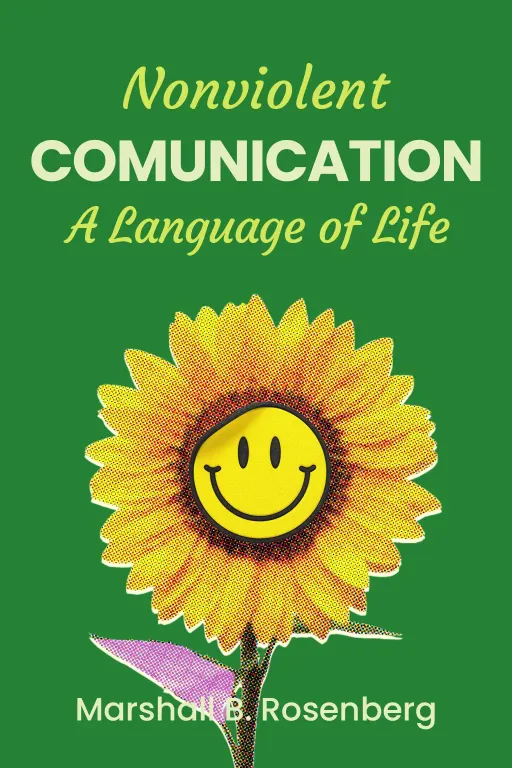
Nova: Exactly! And that's where the insights from books like "Crucial Conversations" by Kerry Patterson and his co-authors, and Marshall B. Rosenberg's "Nonviolent Communication," become not just helpful, but absolutely essential. These aren't just self-help books; they're blueprints for human connection. Interestingly, Rosenberg, a clinical psychologist, developed NVC after working in conflict zones, seeking a universal language for peace. His work isn't just about personal relationships; it's about bridging divides in the most extreme circumstances.
Atlas: That’s actually really inspiring. So, we’re talking about moving beyond just hearing words to actually understanding the unspoken needs and feelings behind them. It's like going from black and white to full color in a conversation.
Nova: Precisely. And that’s where we begin our deep dive today. What does it truly mean to unlock the power of attentive presence?
The Profound Act of Deep Listening
SECTION
Atlas: So, when we talk about attentive presence, what are we really getting at? Because I think most people would say, "Yeah, I listen. I'm present." But it sounds like these books are suggesting something far deeper.
Nova: Absolutely. Think about the title "Crucial Conversations Tools for Talking When Stakes Are High." The implication isn't just about when stakes are high, but when stakes are high. It's about creating a safe space for dialogue, which means moving beyond simply tolerating another's perspective to genuinely seeking to understand it, especially when it differs from your own. It's the difference between waiting for your turn to speak and actively trying to map the other person’s internal world.
Atlas: That's a great way to put it. Because I imagine a lot of our listeners, especially those who are constantly interacting with different people and perspectives, probably feel like they're good at listening. But what you're describing sounds like an almost sacred act of engagement.
Nova: It can be. Marshall Rosenberg’s "Nonviolent Communication" takes this even further. He introduces a method for communicating that fosters compassion and mutual understanding. It's about de-escalating tension, not by avoiding conflict, but by transforming how we engage with it. The core idea is that behind every human action, there's an attempt to meet a need. When someone expresses anger or frustration, it's often a clumsy, tragic expression of an unmet need.
Atlas: So you're saying that if someone is, say, lashing out, instead of reacting to the anger, we should be trying to hear the underlying need? That’s a bit out there, isn't it? It feels counter-intuitive when your natural response is to defend or withdraw.
Nova: It absolutely is counter-intuitive, Atlas, and that's why it's so powerful. Rosenberg argues that when we hear criticism, we have a choice: we can take it personally, blame the other person, or we can try to connect to the feelings and needs being expressed. For example, if a colleague is aggressively demanding a report by end of day, instead of just hearing "You're late, you're incompetent," you might try to hear "I feel anxious because I need to meet my own deadline, and I need reassurance that this project is on track."
Atlas: Wow. That's a profound shift in perspective. It's like instead of seeing an attack, you're seeing a plea. But how do you even begin to do that in the heat of the moment? Our brains are wired for fight or flight, not for deep psychoanalysis.
Nova: That's where the practice comes in. Nova's Take, which is a synthesis of these ideas, suggests that true connection begins not just with speaking, but with profoundly hearing and understanding the unspoken needs and feelings of others. It’s about cultivating an "attentive presence" that prioritizes empathy over argument. It means slowing down, asking clarifying questions, and reflecting back what you hear, not just the words, but the implied emotions and needs.
Atlas: So, it's like becoming a detective of emotions and needs, rather than just a receiver of information. It's not just about decoding words, but decoding the human operating system.
Nova: Exactly. And this isn't just touchy-feely stuff. "Crucial Conversations" emphasizes that when people feel safe, they are more likely to share information, even difficult information. This safety comes from mutual respect and mutual purpose, which are built on this foundation of deep listening. When you consistently demonstrate that you are genuinely trying to understand, even if you disagree, you build that safety.
The Practical Blueprint for Empathetic Dialogue
SECTION
Nova: And that naturally leads us to the second key idea we need to talk about: how do we take these powerful concepts of deep listening and empathy and make them practical? Because it's one thing to understand the theory, but another to apply it when you're in a high-stakes meeting or a difficult personal conversation.
Atlas: Right. For someone who's always speaking with people, trying to foster collaboration and trust, the idea of "deep listening" is appealing. But then the clock starts ticking, the pressure builds, and suddenly you're back to just trying to get your point across. What’s the blueprint?
Nova: The blueprint starts with a very "tiny step," as we call it. Before your next important conversation, take five minutes to identify your own underlying needs and feelings. And then, here's the crucial part, consider what the other person's might be, using the NVC framework.
Atlas: So, it's not just about me, it's about anticipating inner world before we even start talking. Like doing a pre-flight check on emotional intelligence.
Nova: Exactly! Let's say you're going into a conversation where you need to deliver some difficult feedback. Your feeling might be "anxious," and your need might be "to be understood" and "to maintain a good working relationship." Now, flip it: what might the other person's feelings and needs be? They might feel "apprehensive," and their needs might be "to feel competent" and "to be respected."
Atlas: Okay, so if I go into that conversation knowing they might be feeling apprehensive and needing to feel competent, I can adjust my approach. Instead of just stating the feedback, I might start by affirming their value or contribution, creating that safe space "Crucial Conversations" talks about.
Nova: Precisely. You're not just reacting to their words; you're proactively addressing their potential underlying needs. This shifts the dynamic from a potential confrontation to a collaborative problem-solving session. It's a fundamental principle of effective conflict resolution, which you, as someone seeking to deepen your emotional intelligence, will find invaluable.
Atlas: That's actually really insightful. It turns a potentially adversarial interaction into something more human. It makes me wonder, how often do we completely miss the point of a conversation because we're not even aware of our own underlying needs, let alone the other person's?
Nova: Far too often. And the beauty of this "tiny step" is that it doesn't require the other person to be trained in NVC. It's an internal shift in your preparation that dramatically impacts your ability to connect. You're not just bringing your words to the table; you're bringing an understanding of the emotional landscape.
Atlas: So, it's like preparing for a chess game, but instead of anticipating moves, you're anticipating emotional states. It sounds like it cultivates a kind of mindful pause, which is a growth recommendation for someone like me, who's constantly connecting with people. It reclaims that personal space, even in the midst of interaction.
Nova: It does. It transforms what could be a draining interaction into an energizing one, because you're engaging on a deeper, more authentic level. You're not just exchanging information; you're building connection and trust. And that, ultimately, is the art of deep listening and empathy.
Synthesis & Takeaways
SECTION
Nova: So, what we've really explored today is that true connection isn't about being the best speaker, but about becoming the most profound listener. It’s the ability to hear beyond the words, to the feelings and needs that motivate us all.
Atlas: And that tiny step, the five minutes of pre-conversation reflection, seems like such a small thing, but it could fundamentally alter the trajectory of a crucial conversation. It's like a superpower for human interaction.
Nova: It is. It transforms communication from a superficial exchange into an act of profound understanding. It's a skill that builds trust, fosters collaboration, and ultimately, enriches every interaction you have. It’s about embracing the power of your unique energy and presence, knowing that your presence matters deeply when you're truly listening.
Atlas: It’s a powerful reminder that the quality of our conversations directly impacts the quality of our relationships, and ultimately, our lives.
Nova: Indeed. This is Aibrary. Congratulations on your growth!