Mastering Influence in the Digital Age
Golden Hook & Introduction
SECTION
Nova: Atlas, I was just thinking about how much of our lives are spent online now. Emails, DMs, video calls… we're constantly 'communicating.' But here’s the kicker: are we actually anyone, or are we just shouting into the digital void?
Atlas: Oh man, Nova, that's a question that keeps me up at night. It feels like we’re drowning in information, but connection, true influence? That often feels like it's slipping through our digital fingers. It’s like everyone’s talking, but who’s really listening, and more importantly, who’s actually?
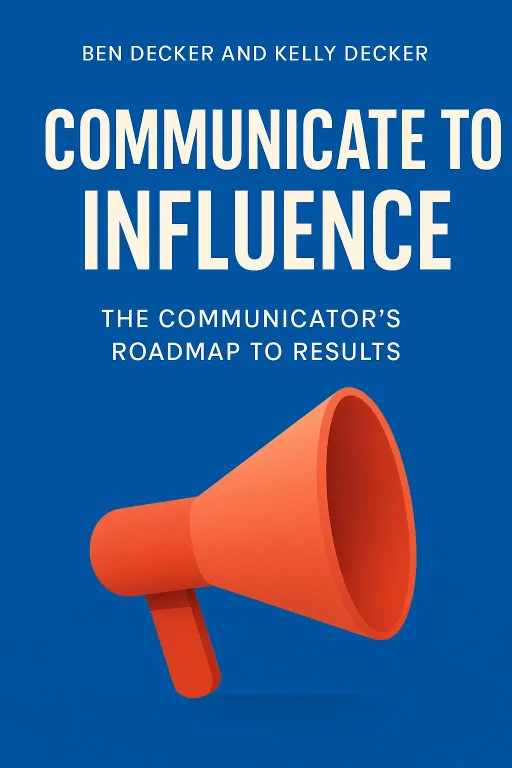
Nova: Exactly! It’s the difference between sending a memo and sparking a movement. And that's precisely what we're dissecting today, drawing insights from two brilliant works: Ben Decker and Kelly Decker’s "Communicate to Influence," and Brent Cole’s modern take on a classic, "How to Win Friends and Influence People in the Digital Age."
Atlas: I love that Cole’s book revisits Carnegie's timeless wisdom for our hyper-connected world. It's fascinating how a book from nearly a century ago can still offer profound lessons, but it definitely needs a digital translation. And the Deckers, with their background in high-stakes corporate communication, really drill down into the 'why' behind effective influence.
Nova: They do. Their core argument is that communication should transcend mere information exchange. It should inspire action and build lasting relationships, especially critical in the fast-paced tech world. And Cole’s work perfectly complements this by showing to build that digital rapport. Today, we're going to explore how to bridge that gap between digital interaction and authentic human connection to amplify your influence.
Atlas: So basically, we're moving beyond just sending emails to actually making people something and something. I’m in.
Beyond Information: Inspiring Digital Action & Building Relationships
SECTION
Nova: Precisely. Let's dive into the Deckers' work first. They challenge the very foundation of how many of us approach communication. We often think, "If I just provide enough data, enough facts, people will understand and act." But that's a passive approach.
Atlas: That makes me think of those endless internal emails. You know, the ones with five bullet points, three links, and a mandatory action item buried somewhere in the middle. We send them, we assume people read them, and then we wonder why nothing changes.
Nova: Exactly! The Deckers would say that’s a failure of influence, not just information delivery. They illustrate this beautifully with a scenario I’ve seen play out in countless organizations. Imagine a tech company launching a new, incredibly innovative product. The engineering team, brilliant as they are, puts together a massive presentation, packed with specs, features, and performance metrics. They deliver it to the sales team, expecting them to be instantly galvanized and ready to sell.
Atlas: And what happens? My guess is the sales team nods politely, maybe asks a few technical questions, and then goes back to selling the product because it's familiar and easier.
Nova: You've nailed it. The engineers provided information, but they failed to. They didn't connect the product’s innovation to the sales team's motivations—their desire to close deals, hit targets, solve customer problems, or even just feel excited about what they're selling. The Deckers argue that true influence comes from understanding your audience's emotional landscape, their drivers, their fears, and then crafting your message to resonate with.
Atlas: So it's like, instead of just saying "here's a faster processor," you say "this faster processor means you'll spend less time troubleshooting and more time building relationships with clients, ultimately boosting your commission."
Nova: That’s a perfect example. You're speaking their language, tapping into their aspirations. It’s about creating a narrative where your idea isn't just a piece of data, but a solution to their problem or a path to their success. It’s about building trust, showing empathy, and demonstrating how your message directly impacts world. For leaders in the tech space, particularly those managing remote teams or influencing cross-functional groups, this is paramount. You can't rely on water cooler conversations. Every digital interaction needs to be intentional.
Atlas: That’s a tough one, though. How do you really build that kind of relationship and inspire action when you're often just seeing avatars in a Zoom meeting, or text in a Slack channel? It feels like there's a barrier to authentic connection in purely digital spaces. It’s easy to misunderstand tone, or for subtle cues to get lost.
Nova: That’s where the intentionality comes in, and it's a brilliant segue into Brent Cole’s work. He takes Carnegie's foundational principles and shows us how to apply them to this very digital dilemma.
Modernizing Influence: Digital Rapport & Empathy Strategies
SECTION
Nova: Brent Cole’s "How to Win Friends and Influence People in the Digital Age" isn't just a rehash; it's a crucial update. Carnegie’s original advice, things like "become genuinely interested in other people" or "remember that a person's name is to that person the sweetest and most important sound in any language," are still gold. But Cole asks: how do you do that when your primary interaction is a LinkedIn message or a virtual meeting?
Atlas: I'm curious. I mean, it's easy to be 'genuinely interested' in person. You can pick up on body language, shared experiences, a quick chat before a meeting. Online, it feels like people are often just skimming, or they're multitasking during a video call. It can feel… transactional.
Nova: It can, and that's the challenge Cole addresses. He emphasizes what he calls 'digital-first empathy.' It's about actively seeking to understand the other person's perspective, even when you don't have all the traditional social cues. For example, instead of sending a generic connection request on LinkedIn, Cole would suggest researching their recent posts, articles, or projects. Find something genuinely interesting they’ve done and reference it.
Atlas: So, rather than "Hi, I'd like to connect," it's "Hi, I saw your recent article on AI ethics and found your point about data bias particularly insightful. I’d love to connect and learn more about your work." That's a game-changer. It immediately signals genuine interest.
Nova: Absolutely. It’s active listening, but adapted for the digital sphere. In a virtual meeting, it means not just hearing the words, but observing their background—do they have kids’ drawings? A bookshelf full of specific genres? Are they joining from a home office or a co-working space? These subtle digital cues can inform your empathy. And when someone speaks, rather than just waiting for your turn, it’s about asking clarifying questions, paraphrasing to show you understood, and acknowledging their contributions directly in the chat or verbally.
Atlas: That’s powerful. I’ve been in so many virtual meetings where people just talk each other. Imagine if everyone adopted that 'digital-first empathy' approach. It would transform online collaboration from a series of monologues into a genuine dialogue. It’s really about being present, even when you're physically apart.
Nova: Precisely. Cole also highlights the importance of consistency in digital interactions. It’s not just about one impressive message; it's about sustained, thoughtful engagement. Liking a post, offering a constructive comment, sharing a relevant article—these small, consistent gestures build digital rapport over time, just as small gestures build real-world relationships. It's about showing up authentically in the digital spaces where people spend their time.
Atlas: So, for a future architect or an empathetic leader, this isn't just about being good at coding or managing a project. It’s about intentionally designing your digital presence and interactions to foster genuine human connection, making every byte count towards building influence. That's a profound shift.
Synthesis & Takeaways
SECTION
Nova: It truly is. What both the Deckers and Cole illuminate is that influence in the digital age isn't about being the loudest voice or having the most followers. It's about intentionality. It's about bridging the perceived gap between digital interaction and authentic human connection by understanding that human psychology remains constant, even if the medium changes.
Atlas: I see that now. The deep question you posed at the start—how can we intentionally bridge that gap—it comes down to empathy and purpose. It's not just about what you say, but you're saying it, and you're making the other person feel. It means treating every digital interaction as an opportunity to connect, not just to transmit.
Nova: Exactly. Whether you're inspiring action in a remote team or building rapport with a new contact online, the core principle is to make the other person feel heard, valued, and understood. The digital tools are just channels; the human element is the true engine of influence. It creates a ripple effect, turning mere communication into lasting impact and genuine leadership.
Atlas: That's actually really inspiring. So, for our listeners who are looking for a tiny step this week, it's about picking one key professional relationship you want to strengthen, and then applying a 'digital-first' empathy strategy. Actively listen in your online exchanges—whether that’s a comment on a LinkedIn post, a thoughtful response in a team chat, or a personalized email. Make it about, not just your message.
Nova: And observe the difference it makes. The future of influence is not just digital; it's deeply human within the digital.
Atlas: That’s a powerful thought to leave us with. Thank you, Nova.
Nova: Thank you, Atlas. This is Aibrary. Congratulations on your growth!